


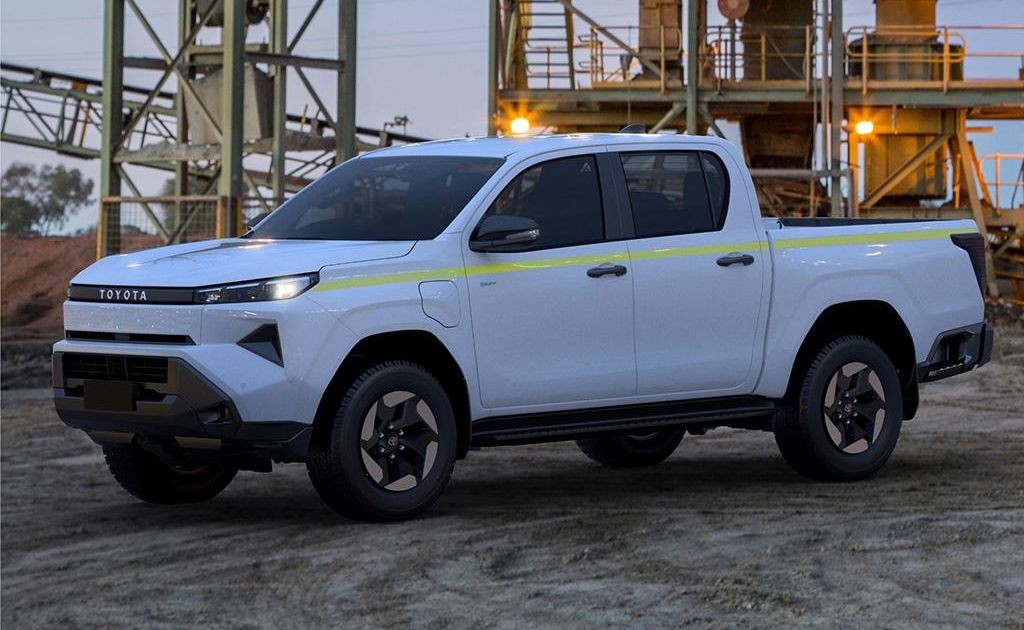
Toyota is preparing to launch electric (BEV) and hydrogen fuel-cell electric (FCEV) versions of its next-generation HiLux pickup truck, alongside traditional combustion models. While these moves align with tightening emissions regulations, the company stresses that they are also a response to consumer demand and a pragmatic approach to decarbonization.
New Vehicle Standards Drive Diversification
The introduction of the HiLux BEV in early 2026 and the HiLux FCEV by 2028 comes as Australia implements stricter New Vehicle Efficiency Standards (NVES) in 2025. These standards impose carbon dioxide emissions limits on automakers, incentivizing the sale of low-emission vehicles. Brands that exceed emissions targets face fines, while those that fall below can sell credits to other manufacturers.
However, Toyota argues that the impact of the HiLux BEV on its overall emissions compliance will be limited given the company’s high total sales volume—over 240,000 vehicles in 2024. Hybrids and plug-in hybrids are seen as more impactful for meeting NVES targets due to their wider availability and consumer appeal.
Toyota Advocates for a Phased Approach to Emissions
Toyota Australia’s vice president of sales and marketing, Sean Hanley, emphasized the need for a flexible approach to emissions regulations. The company isn’t seeking looser standards but argues that hybrids should continue to contribute to NVES credits even if they don’t fall below the limits. This is because suddenly cutting off hybrid eligibility could alienate consumers and slow down decarbonization efforts.
The upcoming LandCruiser Hybrid, for example, won’t meet the 2026 NVES limits and would be penalized under the current system. Toyota believes a “Zero and Low Emissions Vehicle” (ZLEV) approach – including hybrids, plug-ins, BEVs, and FCEVs – would be a more effective transition strategy.
A Multi-Pathway Strategy for Decarbonization
Toyota’s decision to pursue multiple powertrain options reflects its global strategy of offering different solutions for different markets. While the company has faced criticism for its slower adoption of BEVs, it maintains that a diversified approach is necessary to ensure consumers are not left behind.
The launch of the bZ4X SUV in 2025 marked Toyota’s first foray into fully electric vehicles in Australia. Further BEV models, including the C-HR BEV (2027), will follow, alongside the HiLux BEV (2026) and the HiLux FCEV (2028).
Toyota recognizes that decarbonization is inevitable but believes a realistic, consumer-focused transition is key. Over 50% of Toyota’s Australian sales in 2024 were hybrid vehicles, demonstrating the current market preference. The company argues that forcing an immediate shift to zero-emission vehicles could backfire, leaving many consumers unwilling to switch.


