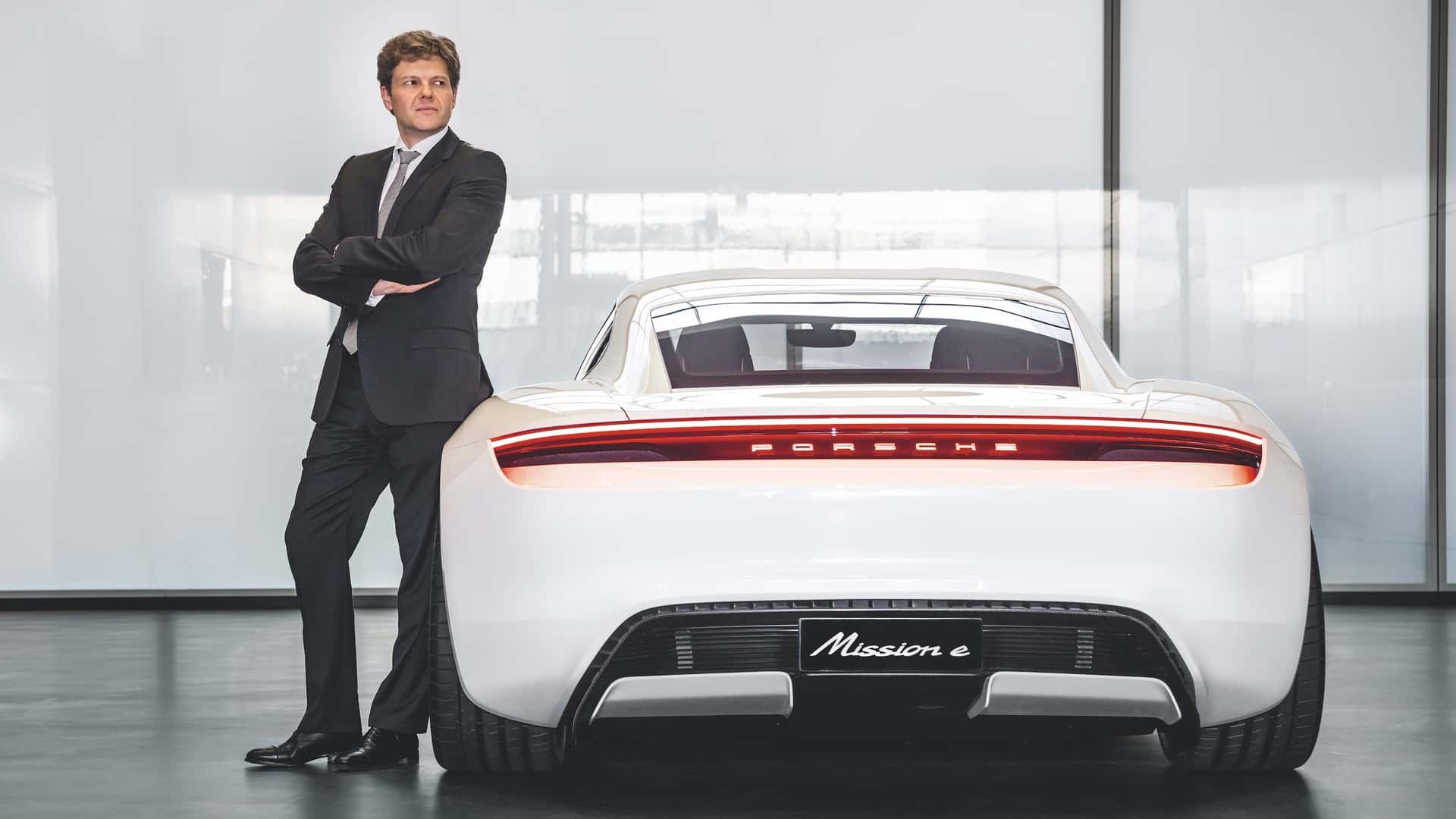
Mercedes-AMG is undergoing a leadership transition, with Stefan Weckbach, formerly of Porsche Taycan development, set to become CEO on July 1, 2026. He will also lead the “Top End Vehicle Group,” overseeing high-end models like the G-Class and Maybach. This change follows a period of internal adjustment for AMG, marked by controversial product decisions and technical setbacks—but also by a renewed commitment to both high-performance combustion engines and electric vehicles.
Recent Challenges and Shifts
The past few years have been turbulent for AMG. The introduction of a four-cylinder engine in the C63 in 2022 drew sharp criticism from enthusiasts, and while Mercedes does not publicly report AMG sales, reports suggest the model struggled to meet expectations. Further complicating matters was a massive recall of nearly 80% of AMG One hypercars due to fire risks, stemming from the difficulties in adapting a Formula 1 engine for road use.
These issues occurred under outgoing CEO Michael Schiebe, who served for two and a half years and will move into a broader role overseeing production, quality, and supply chain management as of December 2025.
A Dual-Engine Future
Despite the setbacks, AMG is doubling down on both traditional and electric powertrains. A new V-8 engine is in development, potentially with wider availability and increased output while still meeting Euro 7 emissions standards. The C63 may receive an upgraded 3.0-liter engine instead of the larger V-8.
On the electric side, AMG plans to leverage the GT XX concept into an electric super sedan and SUV duo. The brand aims to compete by marketing an “electric V-8” experience, though the effectiveness of simulated engine noises and gear shifts remains uncertain.
AMG’s future depends on balancing ICE loyalists with EV demand, requiring a broad portfolio that will be challenging for any new leadership to manage.
Long-Term Outlook
AMG’s renewed focus on combustion engines positions it well against rivals like BMW M and Audi Sport. Mercedes has the resources to support this dual-strategy, but the incoming CEO faces a complex task. The company has committed to keeping its largest engines alive—currently a 6.0-liter twin-turbo V-12 reserved for Maybach models—though another road car with a Formula 1 engine is unlikely due to tightening emissions regulations.
Ultimately, AMG’s success will hinge on its ability to satisfy both traditional performance enthusiasts and a growing electric vehicle market. The new leadership will need to navigate this shift carefully to maintain AMG’s competitive edge.