Ford is partnering with Renault to develop at least two new electric vehicles for the European market, utilizing Renault’s Ampr EV platform. This collaboration represents a significant move toward more accessible electric cars, particularly as automakers grapple with rising costs and the need for competitive pricing.
Next-Generation Fiesta Electric
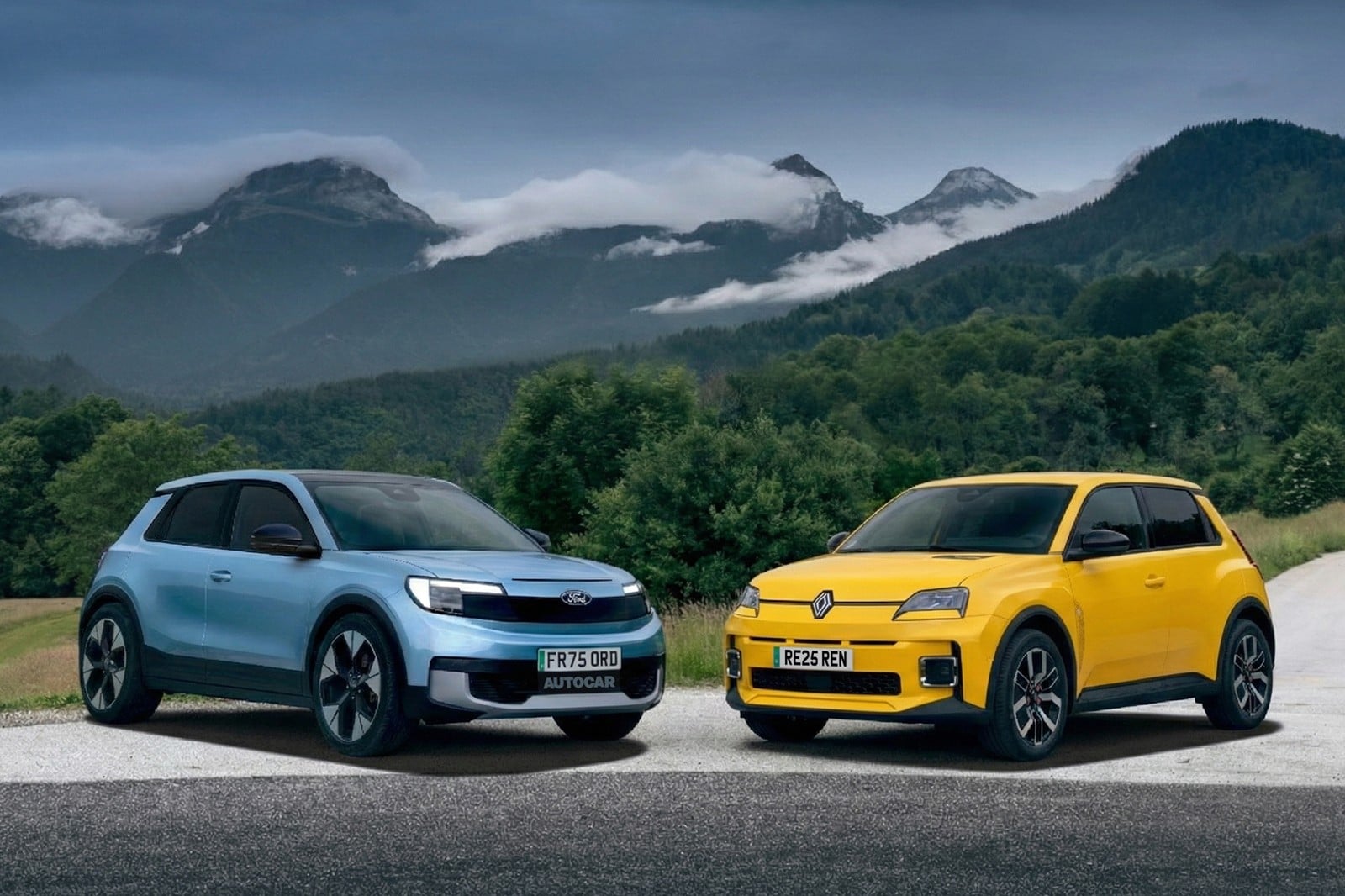
The first vehicle, slated for release in early 2028, is expected to be a direct successor to Ford’s popular Fiesta supermini. This new EV will be closely related to the Renault 5 and will be manufactured alongside it at Renault’s ElectriCity complex in Douai, France.
This move is strategically important because the Fiesta was a mainstay in Ford’s European lineup for decades. Without a direct replacement, Ford risked losing market share in a vital segment. The partnership with Renault provides an efficient and cost-effective way to re-enter this space with an electric offering.
Small Electric Crossover in Development
A second Ampr-based Ford EV, likely a small electric crossover, is also in the works. This model could potentially replace the Puma Gen-E, though specific timelines and details remain unconfirmed. The crossover is expected to share key components with the Renault 4, allowing for economies of scale and faster development.
Distinct Ford Identity Despite Shared Platform
Ford emphasizes that these EVs will be distinctly branded, despite being built on Renault’s platform. The company pledges “authentic Ford-brand DNA and intuitive experiences,” including unique driving dynamics. While sharing hardware like the front-mounted motor (producing between 121 and 215bhp) and battery options (40kWh or 52kWh), Ford intends to differentiate its vehicles through software, interior design, and suspension tuning.
By 2028, Renault plans to transition the Ampr platform to more cost-effective LFP battery chemistry, further enhancing affordability.
The partnership between Ford and Renault is a clear indication of the increasing need for collaboration in the EV sector. Automakers are realizing that sharing development costs and leveraging existing platforms is vital for remaining competitive in a rapidly evolving market. The success of this venture will likely shape the future of affordable EVs in Europe.