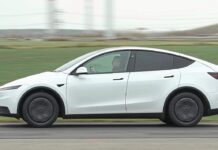
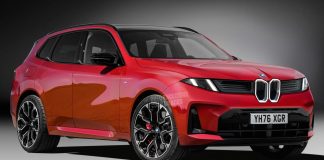
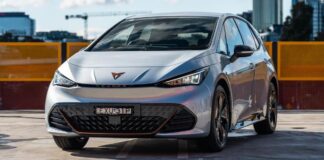
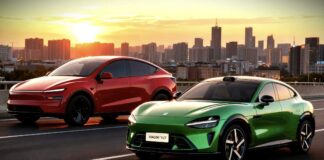
The European Union is creating a new vehicle category – the “M1E” – specifically for small, EU-made electric cars, accompanied by incentives designed to accelerate EV adoption. This move comes as the EU revises its approach to phasing out combustion engines, now allowing them to remain on sale past 2035 under certain conditions. The new framework isn’t a retreat from electrification; it’s a strategic adjustment to make EVs more accessible and ensure a smoother transition.
The M1E Category: What You Need to Know
To qualify as an “M1E” vehicle, a car must be fully electric and no longer than 4.2 meters (165.3 inches) in length, and crucially, assembled within one of the EU’s 27 member states. This is smaller than Japan’s “kei” cars, but still a practical size for urban driving.
The key benefit? “Super credits.” Each M1E-certified vehicle will count as 1.3 towards a manufacturer’s CO2 compliance targets, giving them a 30% advantage. These rules will be frozen for 10 years, giving automakers the stability to invest in developing these smaller EVs.
“This provides a strong incentive for vehicle manufacturers to produce and commercialize higher volumes of small electric vehicles, with an expected indirect positive effect also on the affordability of these vehicles.”
Why This Matters: A Pragmatic Approach to Electrification
The EU’s decision isn’t simply about emissions targets; it’s about practical realities. Smaller, affordable EVs are more likely to be adopted by the mass market than expensive, oversized electric vehicles. By incentivizing their production, the EU aims to make EVs accessible to a broader range of consumers.
Requiring EU assembly also protects local jobs and reduces reliance on foreign manufacturers. This is a calculated move to secure the European automotive industry’s future in a rapidly changing market.
Which Cars Qualify?
Several existing and upcoming models already meet the M1E criteria:
- Renault: Twingo, 4, and 5
- Volkswagen Group: ID. Polo, Skoda Epiq, and Cupra Raval
- Stellantis: Citroën e-C3, Opel Corsa Electric, Fiat 500e, and Peugeot E-208
- Kia: EV2 (built in Slovakia)
Models assembled outside the EU, such as the Hyundai Inster or Mini Cooper, do not qualify. This highlights the EU’s deliberate focus on local production.
Looser Compliance: Banking and Borrowing Emissions Credits
Beyond the M1E category, the EU is further easing compliance by allowing automakers to “bank and borrow” emissions credits over three-year periods. This flexibility avoids strict annual targets, giving manufacturers more breathing room to meet the overall 90% CO2 reduction goal by 2035. The remaining 10% can be offset using e-fuels, biofuels, and low-carbon steel.
EV Adoption Trends
Data from the European Automobile Manufacturers’ Association (ACEA) shows that EVs accounted for 16.4% of new car sales in the EU during the first ten months of the year, rising to 18.3% when including neighboring countries. These figures suggest that electrification is gaining traction, but further incentives are needed to accelerate progress.
The EU’s move to incentivize small, affordable EVs is a calculated step toward a more realistic and sustainable transition. By combining financial incentives with regulatory flexibility, the EU hopes to drive EV adoption without abandoning the automotive industry to unrealistic targets.