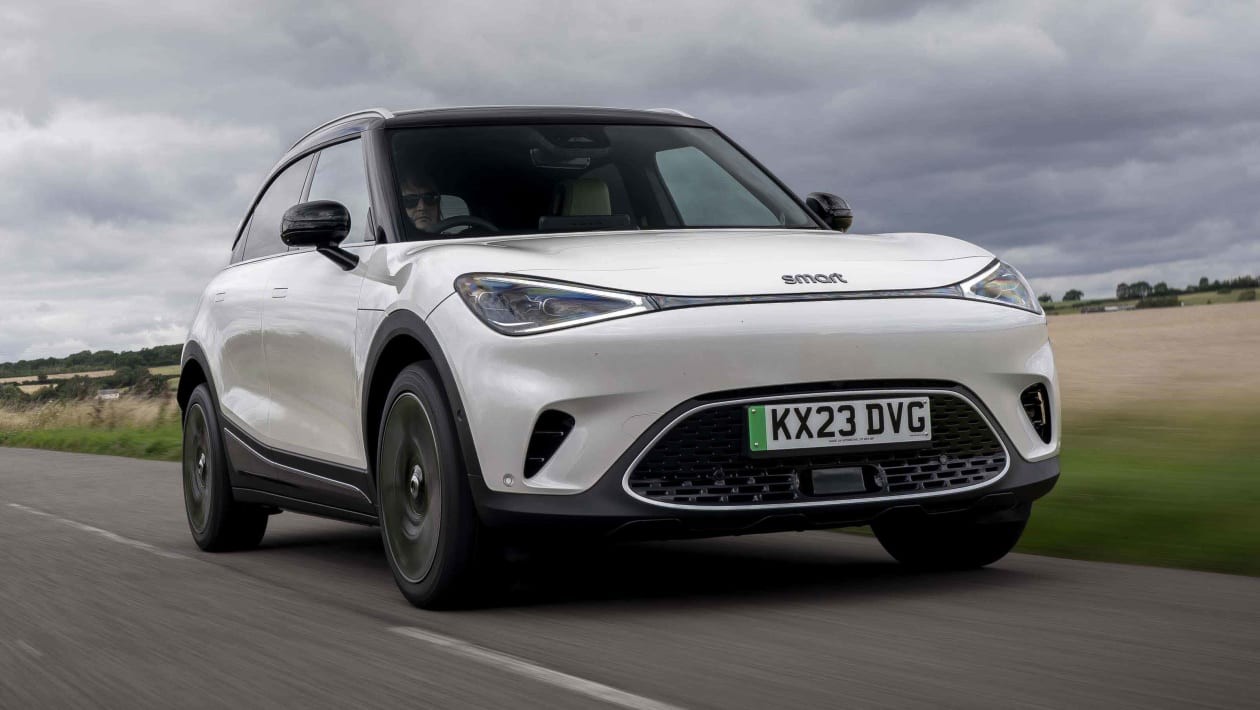
Smart’s transition to an all-electric future is off to a strong start with the #1, a compact SUV that combines bold styling, a surprisingly spacious interior, and competitive performance. While not without its flaws, the #1 demonstrates the brand’s ambition to move beyond its microcar past and compete in the growing EV market.
A New Direction for Smart
For years, Smart was synonymous with tiny, two-seater city cars. The #1 marks a significant departure, offering a practical, family-friendly electric SUV built on a shared platform with the Volvo EX30. This strategic move aims to broaden Smart’s appeal and establish it as a serious contender in the electric vehicle segment.
Performance and Handling: A Mixed Bag
The #1 delivers impressive straight-line speed, especially in the high-performance Brabus variant, which accelerates from 0 to 62 mph in under four seconds. However, the chassis struggles to keep pace with this power. The ride is unsettled, with noticeable body roll and a bouncy feel at higher speeds. This imbalance is particularly evident in the Brabus model, where the performance exceeds the suspension’s capabilities.
The standard rear-wheel-drive versions, available with either a 49kWh or 66kWh battery, offer 268bhp. The Brabus model elevates this with dual motors and four-wheel drive, delivering a formidable 422bhp. While exhilarating, the handling quirks remain a concern.
Interior and Technology: Modern, But Not Flawless
The #1’s interior is visually appealing, with a minimalist design and bold accents. However, some materials feel cheap, undermining the premium vibe. The infotainment system, while functional, suffers from occasional glitches and a somewhat convoluted menu layout. Additionally, the safety assistance technology can be overly intrusive, issuing distracting alerts even in normal driving conditions.
Despite these drawbacks, the #1 offers a well-equipped cabin, especially in higher trims. Features like a panoramic glass roof, electric seats, and adaptive cruise control enhance comfort and convenience. The inclusion of a dedicated driver display for speed minimizes distractions from the central touchscreen.
Range, Charging, and Costs: Competitive But Not Leading
The Smart #1 provides a respectable range, with the larger 66kWh battery offering up to 273 miles in the Premium trim, thanks to its efficient heat pump. Charging times are competitive, with rapid chargers capable of adding significant range in around 30 minutes. However, the #1 doesn’t lead the pack in terms of raw range, falling short of some rivals.
Insurance costs are higher than for traditional combustion engine vehicles, reflecting the car’s performance. Depreciation is expected to be reasonable, but not exceptional. The #1 qualifies for low Benefit-in-Kind (BIK) rates, making it an attractive option for company car drivers.
The Verdict: Potential With Room for Refinement
The Smart #1 is a bold and promising first step for the brand in the electric SUV market. Its striking design, impressive performance, and competitive pricing make it a compelling alternative to rivals like the Renault Megane and BMW iX1. However, the unsettled ride, intrusive safety systems, and occasional tech glitches hold it back from true greatness.
Smart has laid a solid foundation with the #1, but further refinement is needed to unlock its full potential and deliver a truly polished driving experience. The upcoming Smart #3, with its improved suspension, suggests the brand is listening to feedback and committed to building better electric vehicles.