Hydrogen fuel isn’t taking off in passenger cars as quickly as hoped, but major industrial players like Bosch and BMW are doubling down on the technology – not for personal vehicles, but for heavy-duty logistics and manufacturing. This is where hydrogen stands the best chance of proving its viability first.
Bosch: Trucks as Hydrogen’s First Breakthrough
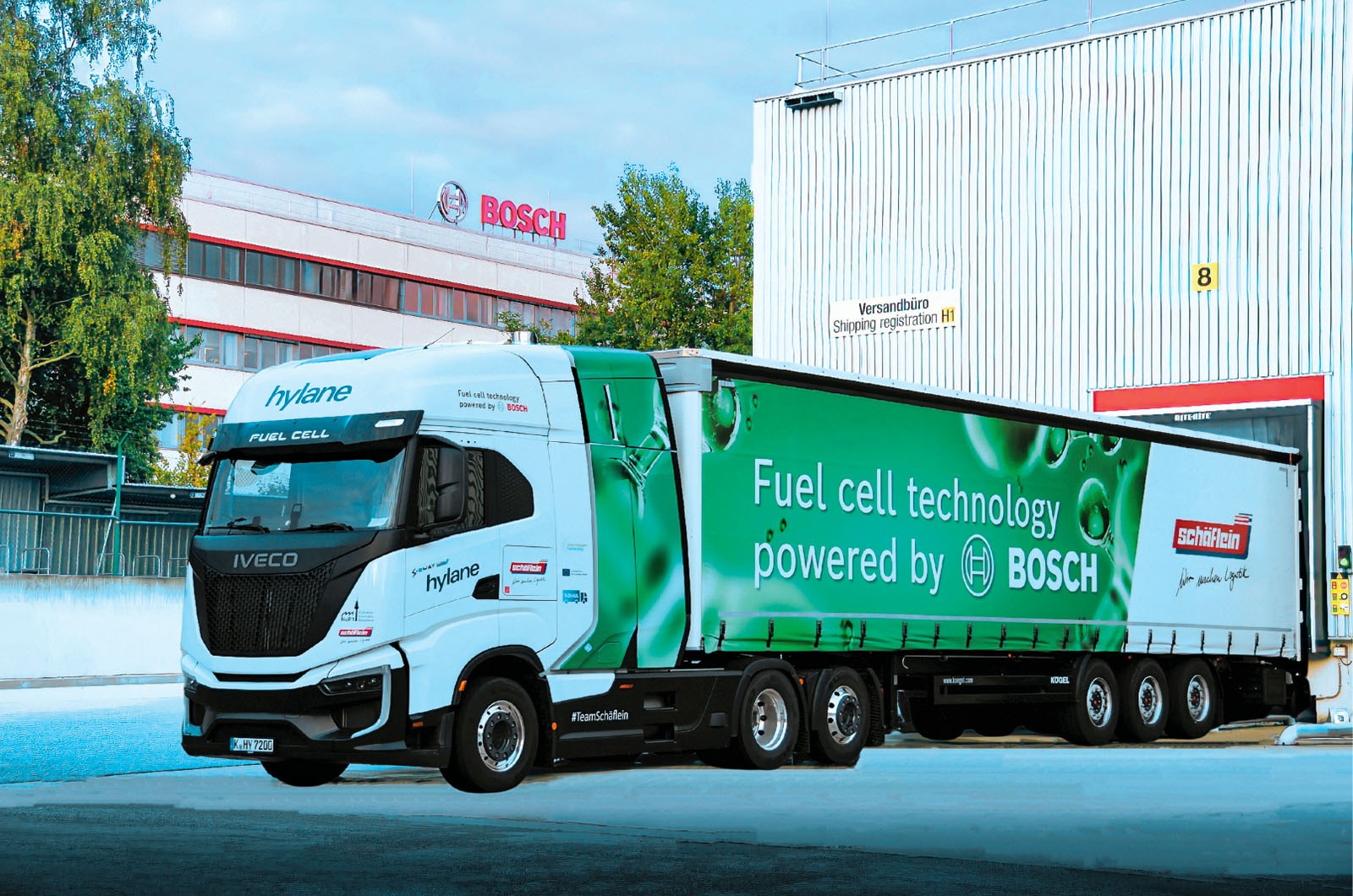
Bosch sees hydrogen as crucial for future decarbonization, and they’re putting their money where their mouth is. The company has deployed a 40-tonne articulated lorry powered by its own fuel cell power module (FCPM) at its Nuremberg, Germany plant. This isn’t just a demonstration; Bosch projects a global hydrogen energy capacity of 100-170GW by 2030, with billions in revenue potential.
The FCPM’s success hinges on a simple principle: fuel cells and electrolyzers are two sides of the same coin. Fuel cells combine hydrogen and oxygen to produce electricity, while electrolyzers use electricity to split water into hydrogen and oxygen. Bosch is strategically developing both technologies in tandem. Already, thousands of trucks worldwide run on Bosch fuel cell systems, and large-scale FCPM production began in 2023.
The Iveco truck in Nuremberg will cover nearly 7,500 miles annually, boasting a 500-mile range from 70kg of hydrogen stored at 700 bar. Combined with battery packs, the system delivers 400kW of power, and refueling times match those of a diesel truck.
BMW: Hydrogen Infrastructure for Sustainable Manufacturing
Meanwhile, BMW is investing in the infrastructure needed to make hydrogen a core component of its manufacturing process. The company plans to connect its Leipzig plant to a 1.2-mile hydrogen pipeline by 2027, becoming the first facility globally to receive hydrogen via this method.
BMW intends to use this abundant hydrogen supply for energy-intensive processes like curing ovens in paint shops, reducing its carbon footprint in a sector where electrification is difficult. The move underscores the broader trend of industrial giants recognizing hydrogen’s potential to decarbonize beyond transportation.
“Hydrogen is seen as a sustainable way to produce power in car manufacturing facilities,” making it a logical choice for BMW’s energy-intensive operations.
The focus on industrial applications is significant. Unlike consumer vehicles, heavy-duty trucks and manufacturing plants have consistent demand and centralized refueling/distribution points, making hydrogen more practical and cost-effective. This strategic shift suggests that hydrogen’s first major victories will likely be in the B2B space before it gains traction in the passenger car market.