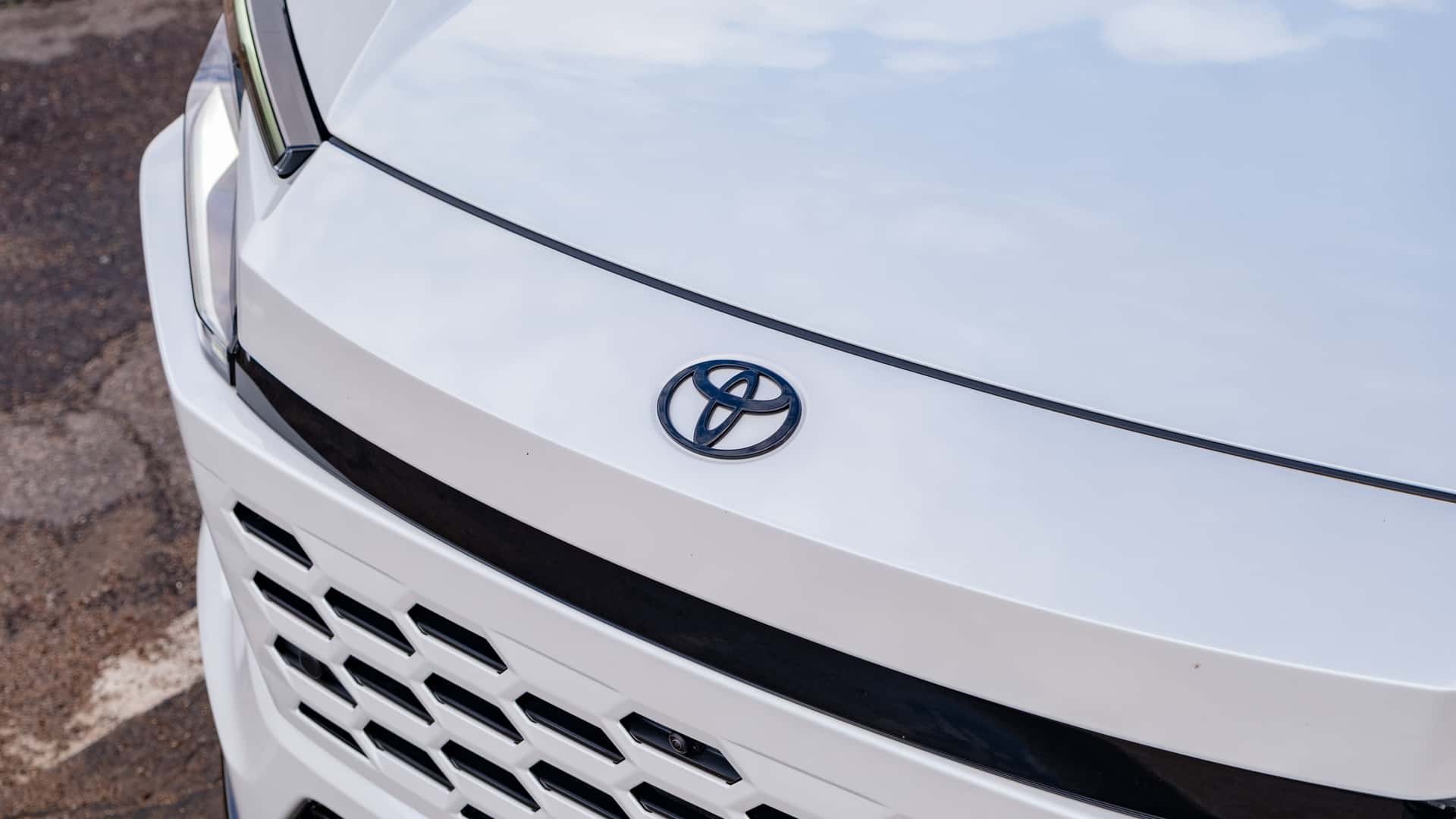
Toyota Motor Corporation has solidified its position as the world’s best-selling automaker for the sixth year in a row, with a total of 11,322,575 vehicles sold across its Toyota, Lexus, Daihatsu, and Hino brands in 2025. This represents a 4.6% increase compared to the previous year, further widening the gap between the Japanese giant and its closest competitor, the Volkswagen Group.
Dominating the Market
Toyota’s success isn’t accidental. The company has maintained its lead since 2020, capitalizing on a diverse global lineup that includes high-volume sellers like the Corolla, RAV4, and Camry. These models consistently perform well across multiple markets, providing a stable foundation for Toyota’s overall sales figures.
The Volkswagen Group, while still a major player, trailed behind with 8.98 million vehicles sold in 2025. The group experienced a slight decline of 0.5%, with core brands like Volkswagen and Audi also facing drops in sales. The Volkswagen brand itself saw a 1.4% decrease to 4.73 million units, and Audi fell by 2.9% to 1,623,551 units.
Key Factors Behind Toyota’s Success
Several factors contribute to Toyota’s continued dominance. The company’s ability to adapt to regional demands, coupled with a reputation for reliability and fuel efficiency, resonates with consumers worldwide. Furthermore, Toyota’s proactive approach to new model launches, like the upcoming Hilux and Land Cruiser FJ, suggests it’s prepared to maintain its momentum.
The introduction of more affordable models, such as the cheaper Wildlander sibling for China, demonstrates Toyota’s commitment to capturing emerging markets. This strategic diversification allows the company to avoid over-reliance on any single region or vehicle segment.
Volkswagen’s Countermeasures and Hyundai-Kia’s Growth
Volkswagen is responding with its own initiatives, including the planned launch of the ID. Polo, a new entry-level EV priced under €25,000 in Europe. This move targets a crucial market segment and aims to regain lost ground. The company is also refreshing its existing EV lineup, with updates planned for the ID.3 and ID.4 in 2026.
Meanwhile, Hyundai and Kia continue to gain traction, securing the third spot with 7.27 million vehicles sold—a 0.6% increase year-over-year. Their target for 2026 is an ambitious 7.51 million sales, indicating their intention to further challenge Toyota and Volkswagen.
Toyota’s sustained dominance is a testament to its strategic model diversification and consistent performance across key global markets. While Volkswagen and Hyundai-Kia are actively competing, Toyota’s established brand loyalty and proactive product pipeline suggest it will remain a formidable force in the automotive industry for the foreseeable future.
Toyota’s continued success underscores the importance of adaptability, reliability, and strategic market positioning in the fiercely competitive global automotive landscape.