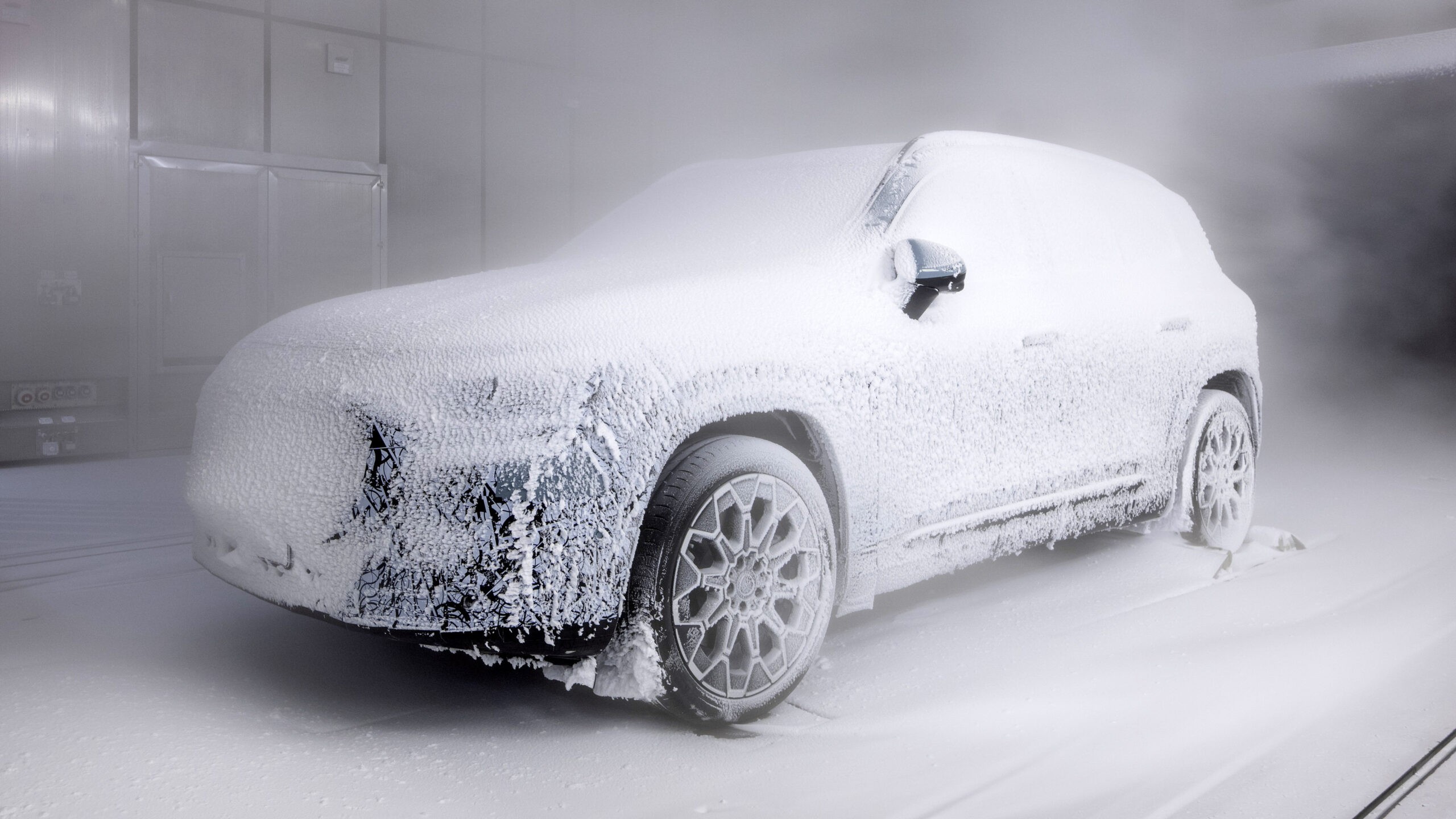
Norway’s rigorous winter testing program has once again exposed the stark reality of electric vehicle (EV) range degradation in freezing temperatures. A recent evaluation conducted by Norwegian publication Motor found that real-world range drops by as much as 46% when EVs are subjected to extreme cold, as low as -24°C (-31°F). The test, part of the biannual El Prix winter range program, highlights a critical gap between manufacturer claims and actual performance in harsh conditions.
The Test: Pushing EVs to Their Limit
The El Prix test simulates real-world driving by pushing 24 of the newest EVs along a predetermined route until they can no longer maintain the speed limit due to battery depletion. Unlike laboratory conditions, this test stresses vehicles under sustained cold, revealing how quickly energy reserves dwindle. This year’s conditions were the most severe yet recorded, far exceeding temperatures from previous runs. The test is designed to expose which EVs handle extreme cold most effectively.
Lucid Air Tops Cold-Weather Range, But Still Falls Short
The Lucid Air emerged with the longest tested range – 520 km (323 miles) before battery depletion – despite being 46% below its quoted WLTP range of 960 km (596 miles). This illustrates a broader trend: even the best-performing EVs suffer substantial range losses in cold weather. Other strong performers included the Mercedes-Benz CLA (421 km / 261 miles), Audi A6 (402 km / 250 miles), BMW iX (388 km / 241 miles), and Volvo ES90 (373 km / 232 miles).
Range Degradation Varies Significantly
What matters more than absolute range is how much range is lost. The MG 6S EV and Hyundai Inster had the smallest decline, falling only 29% from their WLTP claims. Conversely, models like the Opel Grandland and Volvo EX90 saw drops of 45-46%. Tesla Model Y and Suzuki eVitara also experienced significant losses at 43%. This disparity underscores that cold-weather performance is not uniform across EV brands.
Why This Matters
These results are not just an academic exercise. Norway is a leading EV market, with 90% of new car sales being electric, making these findings highly relevant to real-world consumers. The test highlights that while EVs are improving, the impact of extreme cold on range remains a significant challenge. Consumers in cold climates must account for these losses when planning journeys, especially in areas where infrastructure is sparse.
The data suggests that some manufacturers are more aggressive in their range estimates than others. As EV adoption grows in colder regions, standardizing testing conditions and providing more accurate cold-weather range data will be crucial for building consumer trust and facilitating practical EV ownership.