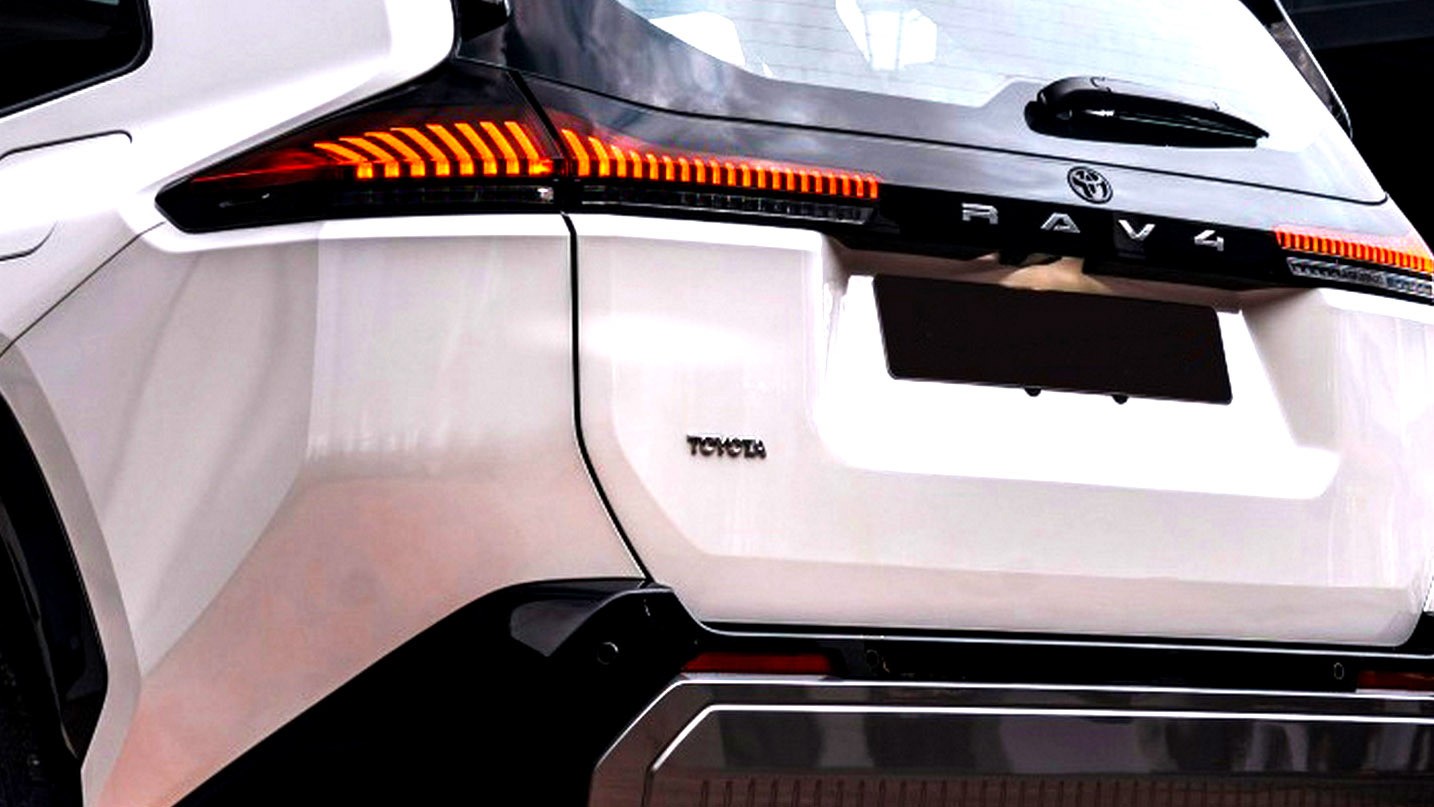
Toyota continues to offer a gasoline-only version of its popular RAV4 SUV, but only in select markets where emissions standards are less strict. While North America, Europe, and Japan have transitioned to hybrid-only lineups, buyers in the Middle East and China can still purchase a traditional internal combustion engine (ICE) RAV4.
Regional Differences in Powertrain Options
The 2026 RAV4 available in the Middle East comes with two engine choices: a 2.0-liter gasoline engine producing 169 horsepower, and a 2.5-liter hybrid unit with up to 236 horsepower. This contrasts with the North American market, which now exclusively sells hybrid versions. China also receives a gasoline-only option, though it’s locally produced and differs slightly from the Middle Eastern model. Notably, the Middle East market does not get access to Toyota’s plug-in hybrid option available elsewhere.
Design Consistency Across Markets
Visually, the RAV4 remains consistent across all regions. Buyers can choose between the Core and Adventure body styles with wheel sizes ranging from 17 to 20 inches. The interior features a 10.5-inch or 12.9-inch infotainment display, paired with a 12.3-inch digital instrument cluster, with optional extras like a head-up display and panoramic moonroof.
Trims and Pricing in the UAE
In the United Arab Emirates, the RAV4 is offered in EX, EXR, GXR, Adventure, and VXR trims. The Adventure and VXR trims are hybrid-only, while the EX, EXR, and GXR provide a choice between gasoline and hybrid powertrains. Pricing for the ICE model ranges from $28,800 to $33,700, while the hybrid costs between $31,200 and $41,600. The new model is slightly more expensive than its predecessor, but the hybrid version is now more affordable than before.
Why this matters: The continued availability of gas-powered RAV4s in certain regions highlights the varying pace of automotive electrification globally. While stricter emissions regulations are driving hybrid adoption in developed markets, regions with less stringent standards still allow ICE vehicles to remain competitive. This also raises questions about Toyota’s long-term strategy for phasing out gasoline engines worldwide and how consumer demand will shape that transition.