


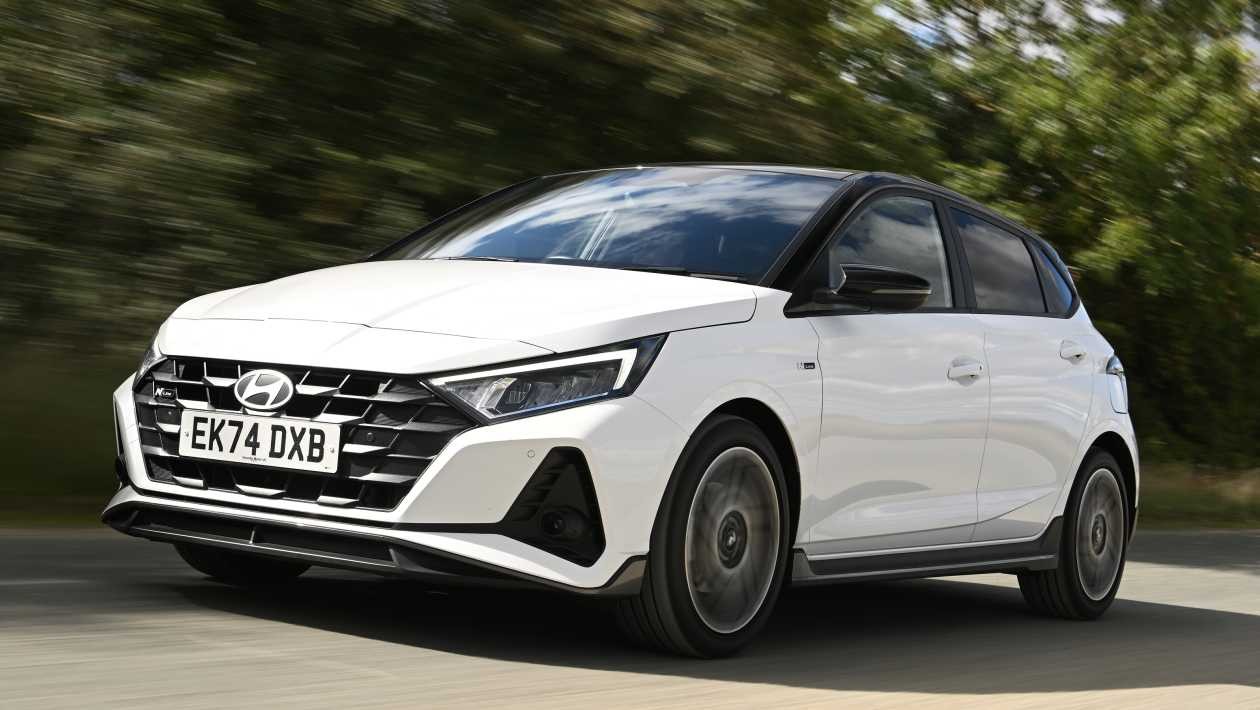
The Hyundai i20 offers a compelling blend of practicality, equipment, and value, making it a strong contender in the crowded supermini segment. However, while the i20 has improved significantly over previous generations, it still falls short of class leaders like the Renault Clio in overall refinement and driving experience. This review breaks down what makes the i20 a smart choice for some buyers, and where it lags behind the competition.
What Makes the Hyundai i20 Stand Out?
Hyundai has steadily refined the i20, resulting in a car that’s more complete than ever. The current model features sharp styling, including distinctive slash-cut flanks, and a generous level of standard equipment. A strong warranty and affordable finance options further sweeten the deal. The i20’s interior is modern, with a digital instrument cluster available on higher trims adding a high-tech feel.
But there are trade-offs. The interior materials, while durable, feel cheaper than those in rivals. The ride can be firm, especially on larger wheels, and the engine range is limited.
Performance and Driving Experience: Refined, But Not Exciting
The i20’s 1.0-liter turbocharged three-cylinder engine delivers adequate performance, but it’s not particularly exciting. Acceleration from 0-62 mph takes around 11.5 seconds with the manual transmission, and 12.8 seconds with the automatic. The engine is vocal on start-up but settles down nicely once running.
The biggest issue is the manual gearbox, which remains awkward to use. The engine mapping cuts and re-engages the power clumsily when the clutch pedal is pressed, leading to jerky acceleration, especially from first to second gear. The seven-speed dual-clutch automatic is smoother, but adds a significant cost.
Despite these quirks, the i20 handles well, with sweet steering and resistance to body roll. It’s more agile than some rivals, though the firmer suspension can make the ride a bit harsh.
Interior and Practicality: Spacious, But Not Luxurious
The i20’s cabin is spacious for its size, with plenty of room for passengers and a generous boot capacity of 352-1,165 liters. There’s a good number of cubbyholes and storage spaces, but the materials are hard and scratchy. The infotainment system, while functional, feels dated and slow to respond.
The digital driver’s display adds a modern touch, but the overall design lacks the visual flair of some competitors.
Running Costs and Reliability: Good Value, But Insurance Can Be High
The i20’s fuel economy is respectable, averaging around 50 mpg in real-world conditions. Depreciation is relatively slow compared to some rivals, but insurance costs can be higher than average.
The i20 holds onto between 46 and 50 percent of its original value after three years or 36,000 miles, similar to the Volkswagen Polo but not as good as the Renault Clio.
The Verdict: A Competent Supermini, But Not the Best Choice
The Hyundai i20 is a solid all-rounder, offering a good balance of practicality, equipment, and value. It’s a sensible choice for buyers who prioritize affordability and reliability over driving thrills. However, the awkward manual gearbox, firm ride, and dated infotainment system prevent it from challenging the class leaders. If you’re willing to spend a little more, the Renault Clio remains the better all-rounder.
The i20 is worth considering if you can find a good deal, but don’t expect a class-leading experience.


