


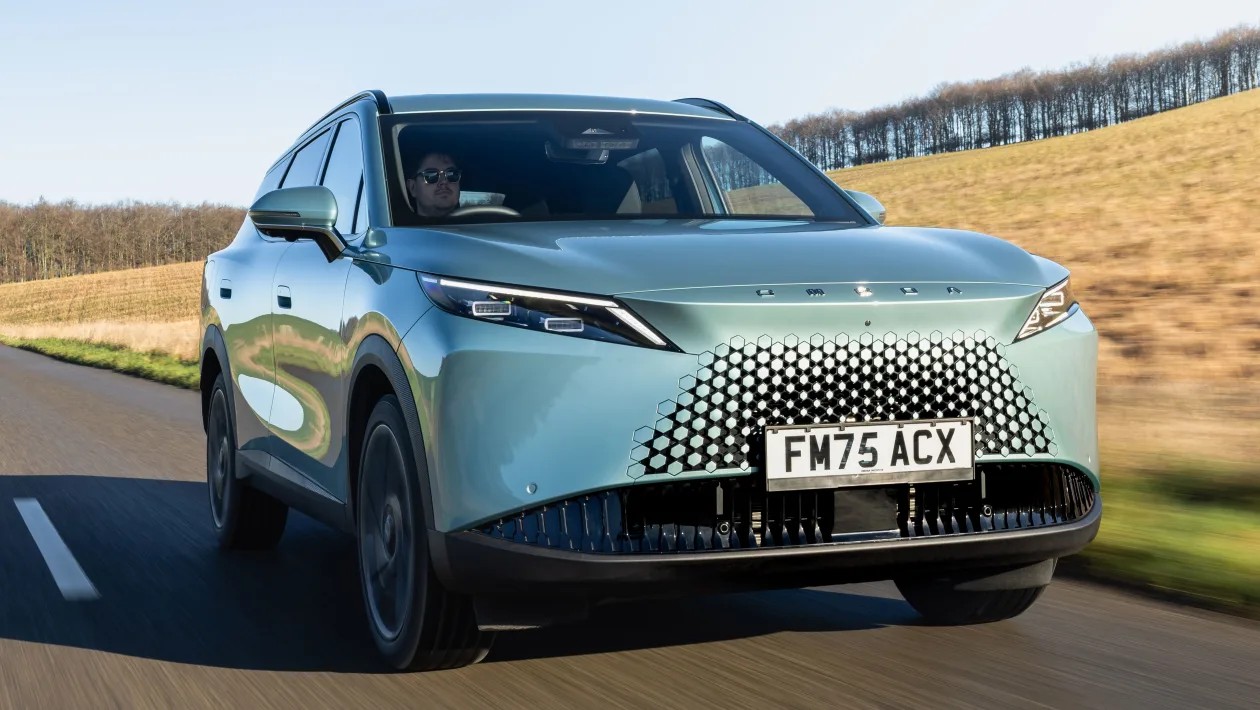
The Omoda 7, the latest plug-in hybrid SUV from the Chinese automaker Chery’s sub-brand, enters a crowded market with a compelling blend of space, technology, and competitive pricing. However, while it shares key components with the successful Jaecoo 7, the Omoda 7 falls short in driving dynamics, preventing it from truly standing out.
New Player in a Growing Segment
Omoda is one of four brands under the Chery Auto umbrella competing for hybrid SUV buyers in the UK. The Omoda 7 joins the Jaecoo 7, Chery Tiggo 7, and Lepas in the lineup, all vying for attention. This crowded internal competition makes it difficult for Omoda to define a unique identity.
The initial Omoda 7 launch features the same “Super Hybrid System” as the Jaecoo 7: a 1.5-liter petrol engine paired with an 18.3kWh battery. A pure-petrol version will arrive later, but the PHEV is the first to market, starting at £32,000 in base trim and £35,000 for the tested Noble trim.
Competitive Features, Sterile Interior
For the price, the Omoda 7 offers a generous equipment list: insulated “silent glass,” a heated steering wheel, synthetic leather seats, a 540-degree camera system, and a cooled wireless charger. The Noble trim adds a panoramic sunroof, a Sony sound system, and ventilated front seats.
However, the interior design feels clinical. Omoda’s designers deliberately avoided a “Las Vegas show” aesthetic, resulting in a stark, black-only cabin. The climate control includes a fragrance system, though future customization options remain uncertain. Despite well-assembled surfaces, some rattles were noticeable even with low mileage.
Infotainment and Practicality
The 15.6-inch touchscreen is responsive but overly complex, with numerous sub-menus. Unlike some rivals, Omoda retains physical controls for essential functions like the panoramic sunroof.
Space is a major strength. The Omoda 7 boasts a vast interior, with ample headroom and generous storage. The 590-liter boot is significantly larger than the Jaecoo 7 and MINI Countryman, though the plug-in hybrid lacks a movable floor due to the battery system.
Driving Experience: Comfort Over Engagement
The Omoda 7 drives similarly to its Jaecoo and Chery siblings. With a 201bhp output and a kerbweight of 1,870kg, it’s not sluggish but lacks urgency. The electric motor provides initial torque, but sustained acceleration feels strained.
The ride prioritizes comfort, but steering is light in all modes, and body roll is noticeable in corners. The throttle response is overly sensitive, making smooth driving challenging. Refinement is good, with effective noise isolation.
Electric Range and Warranty
The Omoda 7 PHEV delivers on its electric range promise, achieving close to the claimed 56 miles. The 40kW charging rate allows for quick top-ups, with 10-80% in around 20 minutes.
Omoda offers a comprehensive warranty: seven years or 100,000 miles (no mileage limit in the first three years), with an additional eight-year/100,000-mile warranty on the battery.
Conclusion: The Omoda 7 presents a compelling package for buyers prioritizing space, features, and value. However, its uninspired driving dynamics and sterile interior prevent it from being a standout option in the competitive PHEV SUV market.


