Electric vehicles (EVs) currently carry higher insurance premiums than gasoline-powered cars, but a new industry blueprint aims to change that by making EVs cheaper to repair and less likely to be written off after accidents. Despite their lower running costs, the higher insurance expenses have been a barrier for some potential EV buyers, largely due to the high cost of battery repair or replacement.
The Insurance Gap Explained
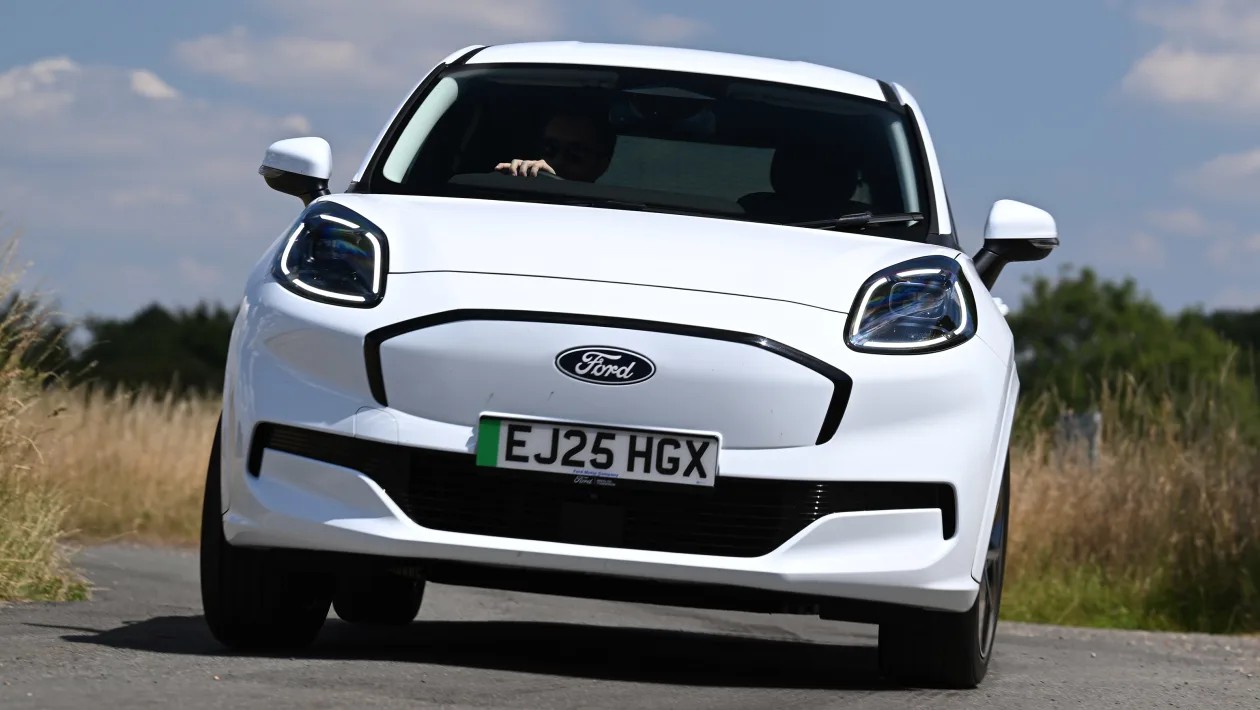
In 2024, EVs typically cost 15–25% more to insure than comparable gasoline vehicles. This is because EV batteries, which can represent up to 40% of a car’s total value, are expensive to fix or replace. Faster acceleration in EVs also leads insurers to assess them as higher-risk. Recent data shows varying differences: a Ford Puma EV is roughly 10% pricier to insure than its gasoline counterpart, while a Volkswagen ID.3 can be 20% more expensive. However, some models, like the Vauxhall Corsa Electric, have similar premiums to their gasoline versions.
| Model | Petrol Insurance (£) | Electric Insurance (£) |
|---|---|---|
| Vauxhall Corsa YES 1.2 Auto | 1,048.21 | 1,033.80 |
| Ford Puma 1.0 125 ST-Line X Auto | 2,894.88 | 3,208.95 |
| Volkswagen Golf Match 1.5 eTSI | 955.35 | 1,161.99 |
The Solution: Easier, Cheaper Repairs
Automotive safety experts at Thatcham Research have released a framework for EV manufacturers to improve repairability, thereby lowering insurance costs. The key recommendations focus on simplifying battery access and repair.
- Reversible Safety Shutoffs: Electrical systems should have a resettable emergency shutoff, like those found in gasoline cars, instead of causing permanent battery damage.
- Easy Battery Removal: Batteries should be designed for quick decoupling without specialized tools.
- Standardized Systems: High-voltage systems need industry-wide standardization to improve diagnostics and repair efficiency.
- Modular Construction: Batteries should be designed with modular parts, secured by resealable fasteners rather than adhesives, for easier repairs.
- Crash Protection: Critical components like charge ports should be moved to less vulnerable areas of the vehicle.
Repairability and Sustainability
Thatcham Research CEO Jonathan Hewett states these recommendations are “entirely achievable,” emphasizing that conventional vehicles already incorporate these principles. The goal is to reduce unnecessary write-offs, as data shows EV batteries retain 95% health even after 12 years, yet many are scrapped due to repair costs.
Whether the industry will adopt these guidelines depends on cooperation between manufacturers and safety organizations. Improved repairability will not only lower insurance premiums but also extend the lifespan of EVs, aligning with sustainability goals.
Looking Ahead
The long-term viability of affordable EV insurance hinges on manufacturers prioritizing repairability. By standardizing systems and designing for easier maintenance, the industry can ensure that electric vehicles become more accessible and sustainable for drivers and insurers alike.