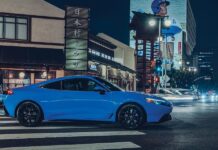
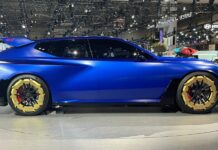
Cupra is strengthening its plug-in hybrid (PHEV) offerings, and the 2026 Terramar VZe is a key part of that push. This review tests whether the car’s impressive 110km electric range and claimed 0.5L/100km fuel consumption hold up in real-world conditions, specifically over long distances typical of Australia.
The Terramar VZe was put through a 1300km round trip from Melbourne to Canberra to evaluate its practicality and performance beyond typical city commuting. This is important because Australia’s vast distances demand vehicles that can reliably balance electric efficiency with long-haul capability.
Volkswagen Group’s PHEV Strategy
The Terramar is one of several models from the VW Group now offering accessible PHEV powertrains. This shift marks a significant change, as previous options were limited to expensive Cupras and the Volkswagen Touareg R. The Terramar joins the Leon, Formentor, Tiguan, Tayron, and Skoda Kodiaq in offering this technology. This wider availability of PHEVs demonstrates VW’s commitment to electrification without forcing buyers into pure EVs immediately.
The Terramar VZe costs $77,990 before on-road costs, making it Cupra’s most expensive model. Compared to the VW Tiguan 200TSI eHybrid R-Line ($74,550) and Skoda Kodiaq, it represents a more premium position. Competitors include the Alfa Romeo Tonale PHEV ($78,500) and upcoming Toyota RAV4 GR Sport PHEV ($66,340). Chinese brands like Chery and BYD offer cheaper alternatives, but with different tradeoffs.
Interior Comfort and Design
The Terramar’s cabin prioritizes comfort, essential for long drives. Seats are surprisingly plush despite their sporty appearance, with adjustable lumbar support addressing fatigue. The interior blends Cupra’s distinctive styling with familiar VW components, like the perforated leather steering wheel with copper accents.
However, the interior isn’t without drawbacks. The touchscreen infotainment system, while sharp, features fiddly touch-sensitive sliders prone to fingerprints. The cabin layout, while driver-focused, feels smaller than the exterior suggests. Storage is adequate, with cupholders and a wireless charger, though the boot capacity of 400L is less than the non-hybrid Tiguan’s 652L due to the battery placement. This shows that PHEV systems always involve packaging compromises.
Powertrain and Driving Experience
The Terramar VZe combines a 1.5-liter turbocharged engine with an electric motor, delivering 200kW and 400Nm to the front wheels. The car handles well thanks to the optional Dynamic Chassis Control Pro (DCC Pro), which provides a comfortable yet controlled ride. Road noise is managed effectively, though coarse surfaces are still noticeable.
The powertrain is responsive, but the lack of all-wheel drive results in torque steer under hard acceleration. The brake pedal feel is poor, requiring excessive force. Regenerative braking helps, but the system isn’t seamless. Overall, the car is a capable cruiser with decent handling, but the brakes are a major annoyance. This highlights that even in modern cars, basic elements like brake feel can still be poorly executed.
The Terramar’s adaptive cruise control and lane-keeping assist performed well on the highway, making long drives less stressful. Despite minor quirks, the car is generally enjoyable to drive and suitable for extended journeys.
In conclusion, the Cupra Terramar VZe is a compelling PHEV that balances efficiency with practicality. It offers a comfortable ride, decent performance, and a usable electric range. However, the subpar brake feel and torque steer are notable downsides. The car’s success will depend on whether buyers prioritize these flaws against its strengths in the growing PHEV market.