SAIC Motor, a major Chinese automotive manufacturer, has revealed its new Z7 electric sedan and Shooting Brake models, which bear striking resemblances to the Porsche Taycan. Priced between $36,200 and $50,700, the Z7 significantly undercuts Porsche’s Taycan, which starts at approximately $133,000 in China.
Design and Aesthetics
The Z7, developed in collaboration with Huawei under the Harmony Intelligent Mobility Alliance (HIMA), has drawn immediate comparisons to Porsche’s design language. While the front of the vehicle features a distinctive LED headlight and grille configuration, the side profile, door shapes, roofline, and rear LED light bar mirror the Taycan’s aesthetic almost identically.
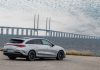
The Shooting Brake variant further emphasizes this similarity, closely mimicking the Porsche Taycan Sport Turismo in silhouette. The Z7 also comes in a bold pink color scheme with matching rims, mirroring a limited-edition finish previously showcased by Xiaomi.
Interior and Technology
Inside, the Z7 features a modern cabin layout common in contemporary Chinese EVs. This includes a thin digital instrument cluster, a large central infotainment display, a secondary passenger screen, and wireless charging pads. The inclusion of a flat-bottom steering wheel adds to the sporty interior design.
Market Implications
The launch of the SAIC Z7 underscores a growing trend in the Chinese automotive market where aggressive pricing and bold design choices are challenging established luxury brands. This move could disrupt Porsche’s market share in China, where consumers are increasingly drawn to more affordable alternatives that offer similar styling.
The Z7’s aggressive pricing strategy directly targets Porsche’s premium positioning, providing consumers with a near-identical aesthetic at a fraction of the cost. The implications extend beyond direct sales, as this competition forces automakers like Porsche to re-evaluate pricing strategies and design exclusivity.
The rise of these clones highlights the increasing sophistication of Chinese manufacturing and the willingness of domestic automakers to push boundaries in design imitation, raising questions about intellectual property enforcement and market differentiation.