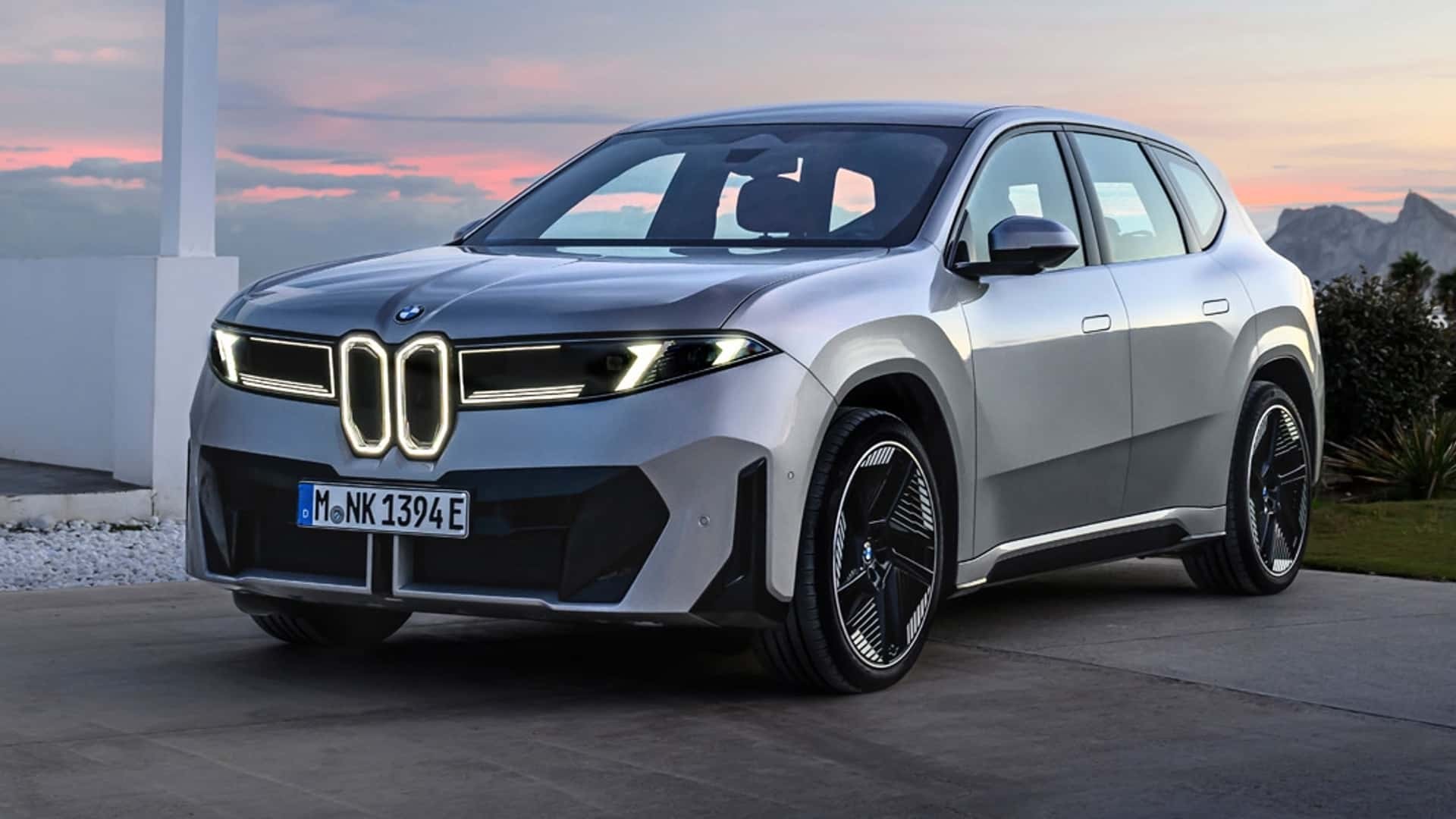
The latest BMW iX3 is drawing strong reactions, particularly from industry veterans. Frank Stephenson, a former BMW designer responsible for iconic models like the first-generation X5 and Mini Cooper, has publicly criticized the vehicle’s styling, calling it a “nice try” but falling short of true innovation.
Design Flaws According to Stephenson
Stephenson’s assessment is blunt: the iX3’s kidney grille is “too pinched,” the rear design lacks distinction (“a bit generic”), and the fender creases are jarring. He also points out the busy front bumper as unnecessary for an electric vehicle, which doesn’t require the same aggressive cooling as internal combustion engines.
This critique isn’t isolated. Stephenson has a history of voicing dissatisfaction with recent BMW designs, including calling the XM’s front end “nonsensical” and questioning whether the brand is “digging a deeper hole” with its polarizing aesthetic choices.
Why This Matters: BMW’s Design Gamble
Stephenson’s comments are significant because the iX3 isn’t just another EV—it’s the first model to showcase BMW’s “Neue Klasse” design language. This new direction will influence nearly 40 models by 2027, making it a pivotal shift for the brand.
The stakes are high. BMW has been deliberately provocative with its designs in recent years, and despite controversy, sales have remained strong. The company outpaces Mercedes and Audi in luxury vehicle sales, suggesting the polarizing approach works commercially. However, it’s impossible to say how much further sales could grow if the designs were more universally appealing.
Neue Klasse: A Step Back from Extremes?
The iX3’s design represents a move towards smoother, less aggressive surfaces, with a scaled-down kidney grille. This signals BMW may be dialing back on the controversial elements that defined its recent aesthetic. The upcoming i3 debut on March 18 will further reveal how this new language translates to other body styles, particularly sedans.
Ultimately, BMW is betting that a less divisive design will win over a wider audience. The success of this strategy will determine whether the brand continues to push boundaries or reverts to a more conventional approach.
The iX3’s design has sparked debate and criticism, but the real test lies in whether BMW’s shift towards subtlety resonates with consumers and maintains its competitive edge in the luxury market.