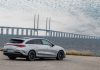
Porsche is evaluating a major restructuring of its performance saloon lineup, potentially combining the Taycan and Panamera into a single model line. This move, driven by new CEO Michael Leiters, comes as the company faces declining sales and mounting development costs after a strategic shift away from aggressive electrification targets.
The Shift in Strategy: Why Now?
Porsche’s previous CEO, Oliver Blume, slowed down the firm’s electric vehicle plans last year, leading to significant financial setbacks. The company has already written down €1.8 billion due to delayed platform development and anticipates reduced profitability. Consolidating the Taycan and Panamera is a direct response to these pressures, aiming to streamline engineering efforts and reduce overall expenses.
The decision stems from the increasing cost of maintaining two separate engineering programs for vehicles that largely compete within the same segment. Porsche already employs a similar strategy with the Macan and Cayenne, selling both combustion and electric versions on distinct platforms under the same model name.
Technical Realities and Platform Challenges
Currently, the Panamera is built on the MSB platform (shared with the Bentley Continental GT), while the Taycan uses the J1 platform (also found in the Audi E-tron GT). The Panamera’s platform is slated for replacement by the PPC architecture, and the Taycan was intended to move to the SSP Sport platform—a transition now under review.
The differences aren’t insurmountable. Despite wheelbases differing by 50mm, insiders believe a single model could be engineered to accommodate both platforms. This would allow Porsche to offer variants with traditional internal combustion engines, plug-in hybrids, and fully electric powertrains under one unified identity. The Panamera’s existing long-wheelbase option could even extend to the Taycan, broadening the model’s appeal.
What Does This Mean for Porsche Buyers?
The exact naming strategy remains uncertain—whether the unified model will retain the Panamera or Taycan badge is yet to be determined. However, the approach mirrors Porsche’s current Cayenne lineup, where ICE and EV variants maintain distinct exterior designs despite sharing core components.
The financial benefits of this consolidation are significant. By merging development, Porsche could avoid the difficult decision of outright axing either model due to cost constraints. This ensures continued presence in the performance saloon segment while optimizing profitability.
Ultimately, Porsche’s decision reflects the evolving economics of the automotive industry, where efficiency and cost-cutting are paramount. The company is adapting to ensure its luxury performance vehicles remain viable in a rapidly changing market.