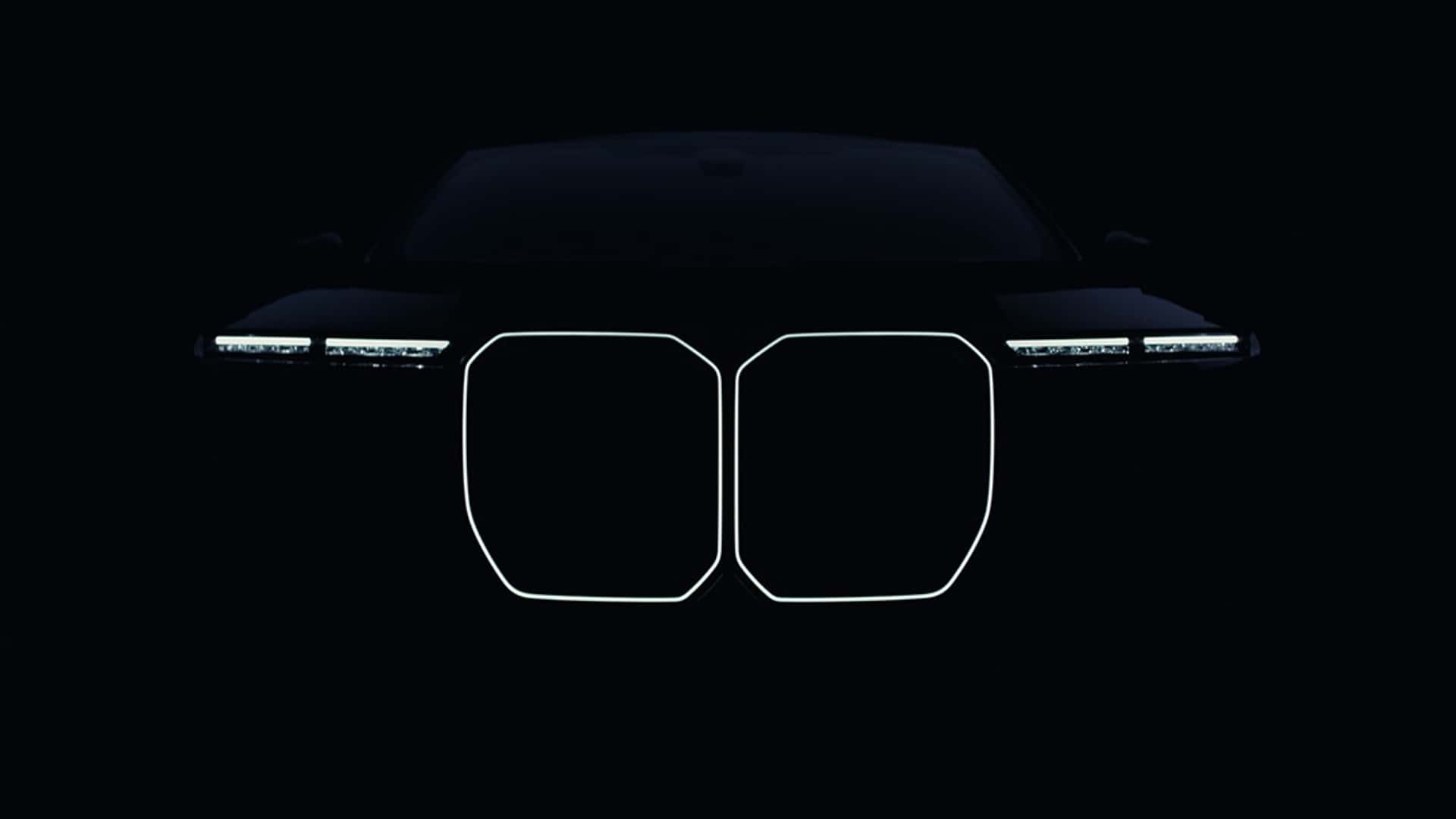
The next BMW 7 Series, due for a mid-cycle refresh in 2027, will retain its controversial split-headlight and oversized kidney grille design. While BMW is shifting towards a new design language with models like the iX3, the flagship sedan will stick with the current generation’s polarizing aesthetic. This decision highlights how BMW balances brand identity with market demands, particularly in China, where large luxury sedans remain popular.
Design Continuity: Why Keep the Controversial Look?
Despite the emergence of BMW’s “Neue Klasse” design – exemplified by the upcoming i3 and 3 Series, which feature integrated grilles and headlights – the 7 Series will largely carry over its existing front-end styling. The illuminated kidney grille, a signature element of the current model, will remain prominent. This indicates a strategic choice: the existing design has proven successful in key markets, and a complete overhaul might not align with customer preferences.
The decision also reflects BMW’s approach to its largest vehicles. The company tends to experiment more boldly with designs on its high-end models, such as the X7 and XM, which also feature striking visual elements. The 7 Series facelift will maintain the split headlight arrangement, a design choice that has drawn both praise and criticism since its introduction.
Interior Revolution: Tech Upgrade for the Flagship
While the exterior remains evolutionary, the interior of the 2027 7 Series will undergo a significant transformation. BMW is integrating the radical new interior concept from the iX3, promising a major leap in technology and luxury. This includes a completely redesigned dashboard and infotainment system, suggesting a focus on enhancing the in-cabin experience.
The company is positioning this update as more than just a facelift, with CEO Oliver Zipse stating it’s an “almost completely new vehicle.” This claim aligns with BMW’s ambition to elevate the 7 Series further upmarket, potentially challenging Mercedes-Maybach without encroaching on Rolls-Royce territory. The upcoming ALPINA version, expected later in the year, will likely receive even more exclusive appointments.
Market Context: A Shifting Luxury Landscape
The 7 Series update arrives as the luxury sedan market evolves. Competitors like the Audi A8 and Lexus LS are phasing out, leaving BMW with fewer direct rivals. The company is capitalizing on this opportunity by investing heavily in the 7 Series, despite the cost of implementing a new iDrive generation for the mid-cycle facelift.
“We are raising our luxury sedan to a whole new level in terms of both appearance and technology.” – Oliver Zipse, BMW CEO
The decision to retain the current design language while overhauling the interior suggests a calculated approach: maintain brand recognition with the exterior while delivering a cutting-edge experience inside. This strategy may appeal to buyers who appreciate the 7 Series’ established presence but demand the latest in automotive technology.
Ultimately, the 2027 BMW 7 Series facelift represents a blend of continuity and innovation. By preserving its iconic design while introducing radical interior changes, BMW aims to solidify its position in the luxury sedan segment.