Global electric vehicle (EV) sales experienced an unexpected decline in February, falling 11% compared to both the previous year and the prior month. This slowdown, while not a collapse, forces automakers to reassess strategies and seek alternative revenue streams. The industry had anticipated consistent growth, but market realities are proving more complex.
Regional Disparities in EV Demand
The slump isn’t uniform. Europe remains a bright spot, with EV sales up 21% this year, driven by government subsidies in countries like Germany (+26%) and France (+30%). Italy’s market nearly doubled due to EU-backed incentives. This suggests that policy plays a crucial role in consumer adoption.
However, North America is lagging, with year-to-date sales down 36% despite a slight uptick in February. Ford is particularly hard hit, with EV sales dropping a reported 70% this year. This exposes the risk of over-reliance on early adopter enthusiasm without sustained broader demand.
China presents a mixed picture. Domestic sales are down 26% after the reinstatement of purchase taxes, but Chinese manufacturers are aggressively expanding exports. In the first two months of 2026, they shipped over half a million EVs – more than double the previous year. This demonstrates China’s intent to dominate the global EV supply chain.
The Battery Surplus Problem
The slowdown poses a significant challenge for battery manufacturers. Billions have been invested in expanding production capacity, based on the expectation of soaring EV demand. With sales softening, these companies must find alternative uses for their output.
Automakers Turn to Energy Storage
The solution? Large-scale grid storage. Automakers and suppliers are increasingly diverting battery production to energy storage systems, helping stabilize electricity networks and capitalize on the growing demand for renewable energy integration.
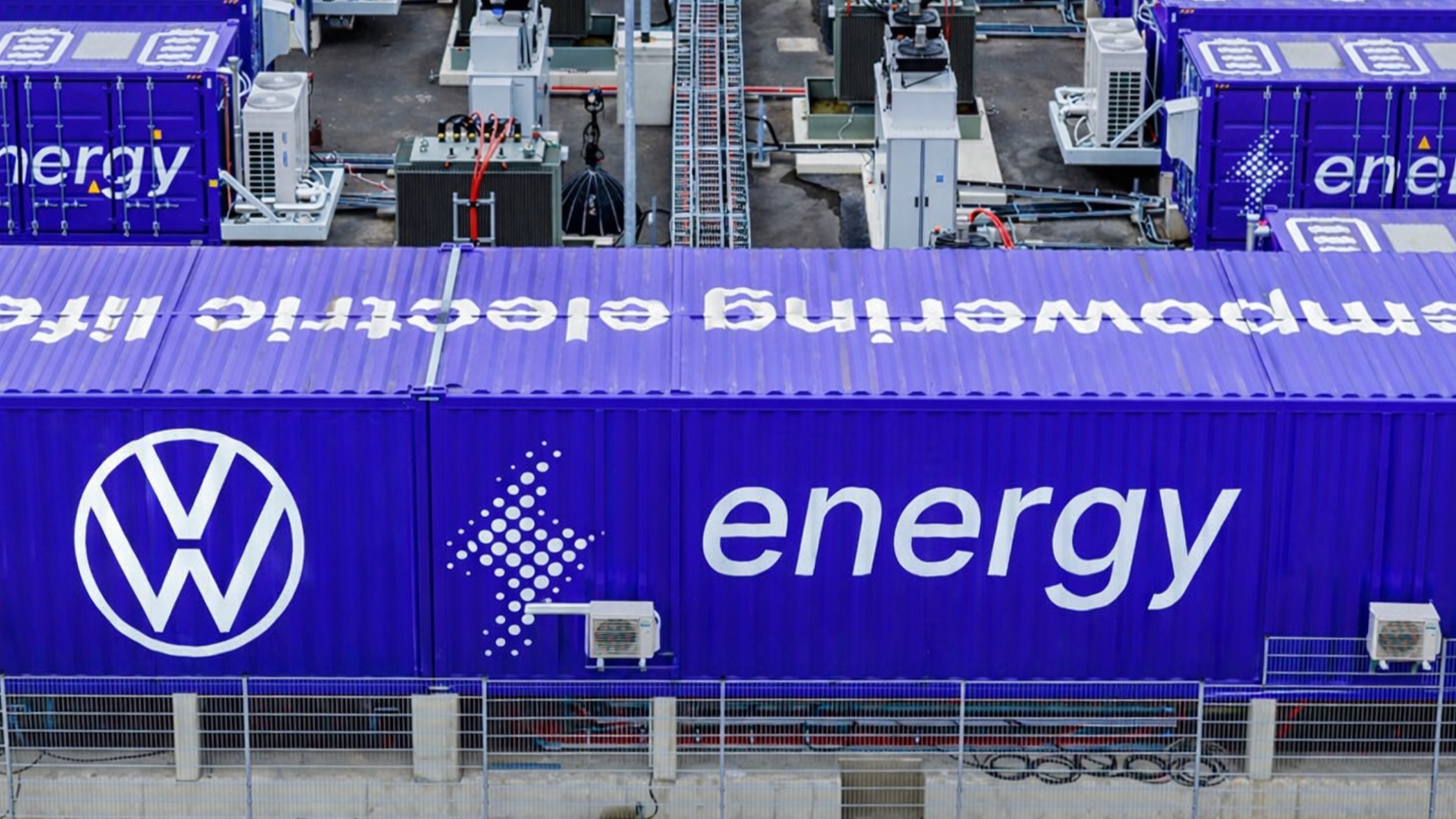
Volkswagen is leading the way, launching a 20MW/40MWh battery storage facility in Germany. This system stores surplus renewable energy and releases it when needed, effectively repurposing EV batteries for grid applications. Other major automakers – Tesla, BYD, GM, Ford, Renault, Mercedes, and Hyundai – are either selling or developing similar systems.
This shift from solely focusing on EVs to also supplying grid storage is a strategic move. It allows automakers to leverage their existing battery infrastructure while mitigating the risks of fluctuating EV demand.
The industry’s ability to adapt quickly will be critical for maintaining profitability and securing its future in the evolving energy landscape.
The downturn in EV sales is a reality check, but the pivot to energy storage demonstrates resilience and innovation. The long-term viability of the industry depends on its ability to diversify and address the growing demand for sustainable energy solutions.