For decades, the automotive industry has quietly integrated robotics to streamline production, but now artificial intelligence is accelerating the shift toward humanoid robots fully replacing human workers. This isn’t a future trend – it’s already happening, from BMW’s Leipzig factory to Hyundai’s facilities in South Korea and the US.
A History of Automation
The idea of robots in car manufacturing isn’t new. Back in the 1970s, Fiat boldly advertised “Handbuilt by Robots,” though the reality was far more limited. By the 1990s, Toyota and Honda were demonstrating self-driving cars and even deploying humanoid robots like Asimo to handle tasks like serving tea. These early efforts proved a key advantage: robots don’t require sick pay, vacation time, or fair wages.
Modern Humanoid Integration
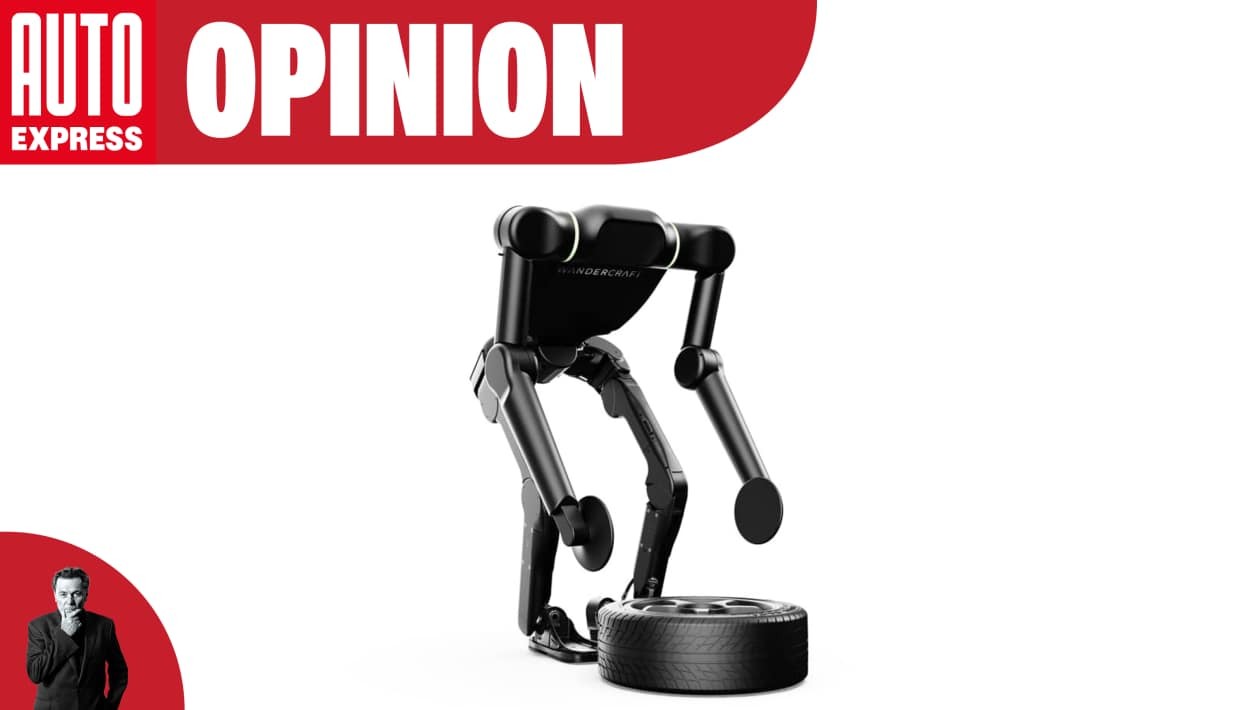
Today, AI-powered robots are becoming far more capable. Hyundai’s latest humanoids boast “56 degrees of freedom,” allowing for human-like movements and tactile sensing. BMW has already seen success with unpaid robotic labor at its Spartanburg, USA plant. The firm is now expanding this to its Leipzig facility, where robots will handle physically demanding tasks like welding sheet metal.
The Economic Reality
The cost-effectiveness of humanoids is undeniable. Over time, purchasing a robot outright is cheaper than employing a human worker, especially considering benefits and labor regulations. This trend will inevitably lead to job losses for factory workers and drivers, raising critical questions about retraining and alternative employment opportunities.
The solution suggested by some—pursuing higher education in AI engineering—is unrealistic for many, as it requires significant financial investment and doesn’t guarantee a job. The reality is that automation isn’t just changing how cars are made; it’s reshaping the labor market in fundamental ways. The shift toward robots is not a matter of if, but when, and the consequences for human workers are already becoming apparent.