The cruiser motorcycle market is known for its slow evolution. Many models remain largely unchanged for years, even decades. However, one bike stands out for bucking this trend: the Harley-Davidson Low Rider S. It has not only gained performance but has also become more affordable over time—a rare feat in the segment.
The Stagnation of Traditional Cruisers
Cruiser bikes prioritize simplicity. Most manufacturers stick to proven formulas: steel frames, basic suspension, and understressed engines. Technological advancements like traction control and ABS have only recently become standard, with many models still offering them as optional extras.
This reluctance to innovate stems from rider preference; cruiser enthusiasts generally prefer reliable, established packages over cutting-edge features. Consequently, major updates are infrequent. Indian’s Chief range has seen minimal changes in the last decade, and even BMW’s R 18 has received only one significant overhaul since its launch.
The Low Rider S: An Evolution of Performance and Value
The Harley-Davidson Low Rider S began as part of the Dyna lineup, paired with a Screamin’ Eagle engine. Harley later restructured it into the Softail range, equipping it with the Milwaukee-Eight 114 engine and a modernized chassis. This transition significantly improved its handling and sporty capabilities.
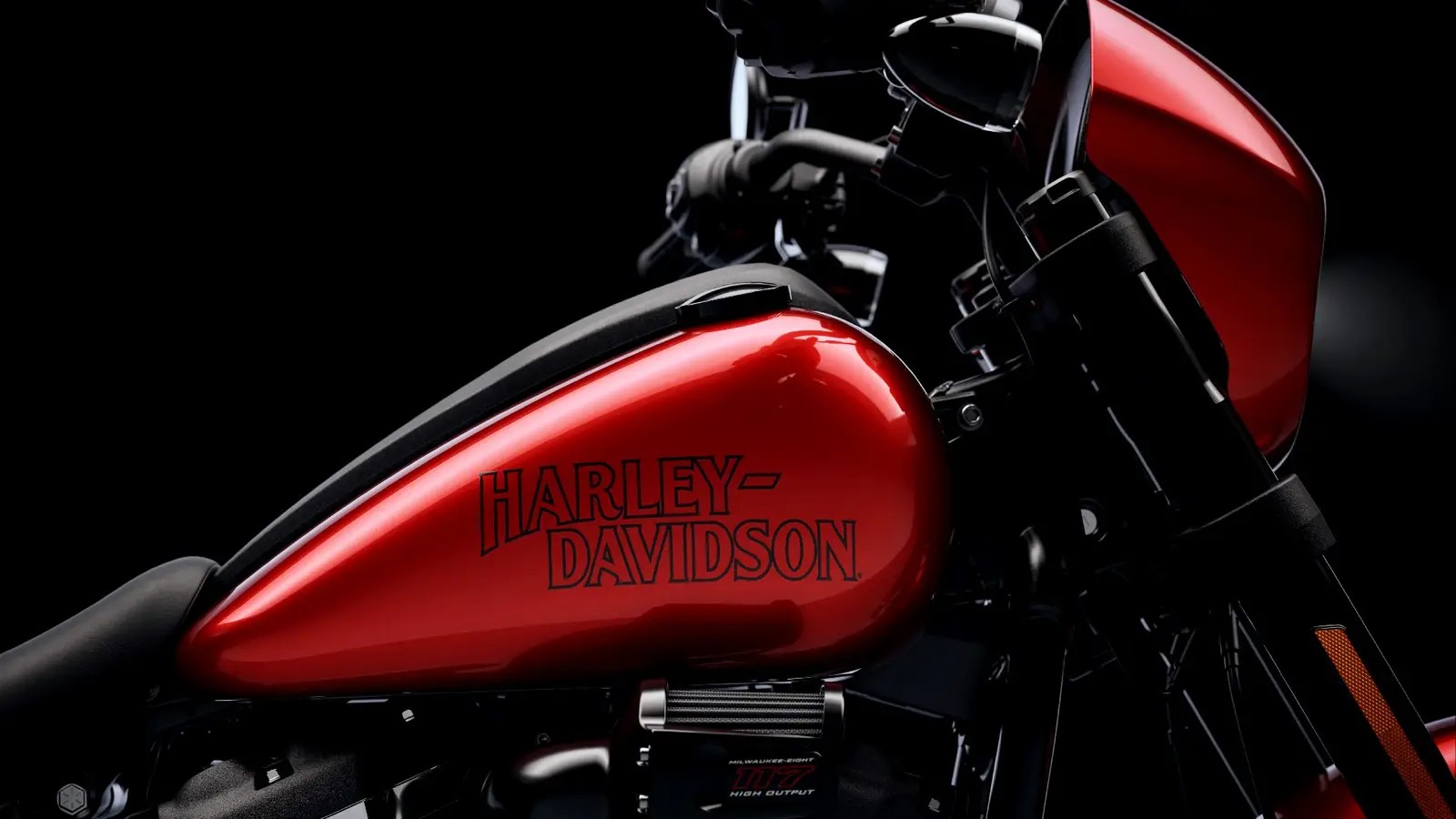
Subsequent upgrades included swapping to the more powerful Milwaukee-Eight 117 engine, which was recently updated to the High Output version. This makes the Low Rider S the most potent Harley Softail currently available. The update also added cornering-enabled electronics as standard, a significant safety enhancement.
Remarkably, the Low Rider S has also become cheaper. Its MSRP has dropped from $20,499 to $19,999, and now stands at just $18,999. To put this in perspective, the 2016 model sold for $18,199 with optional security and ABS features.
Cornering Electronics and Superior Performance
The Low Rider S’s electronic package is among the best in the segment, including cornering traction control, cornering ABS, cornering drag-torque control, and ride modes. This is further enhanced by cruise control, tire pressure monitoring, and a USB port.
While rivals like the Indian Sport Chief and Scout offer digital TFT instrument clusters, the Low Rider S does not—nor is this available as an option. However, it compensates with a wider range of color options, some of which carry additional costs.
Performance-wise, the Low Rider S dominates its V-twin competition. The Milwaukee-Eight 117 High Output engine delivers 114 horsepower and 128 pound-feet of torque, outperforming the Indian Sport Chief and Scout. While the Buell Super Cruiser offers more power, it comes with a price tag exceeding $25,000 and deliveries have yet to begin.
Efficiency, Handling, and Ergonomics
Despite its high performance, the Low Rider S maintains decent fuel efficiency, with Harley claiming 47 miles per gallon and a range exceeding 230 miles. Top speed is over 124 mph in sixth gear.
The bike’s handling is improved through 43 mm Showa upside-down forks, rear monoshock with preload adjustment, and alloy wheels (19/16-inch). These components, combined with dual front disc brakes and near-6-inch ground clearance, allow for a lean angle of 31.3 degrees.
Ergonomics follow a typical cruiser layout: forward-set footpegs, a curved handlebar, and a scooped saddle. Passenger accommodations are optional, requiring an additional $600 for a seat and footpeg kit.
The Harley-Davidson Low Rider S has consistently evolved in performance and affordability, setting it apart in the cruiser segment. Its combination of power, modern electronics, and competitive pricing makes it a compelling choice for riders seeking a balance of tradition and innovation.