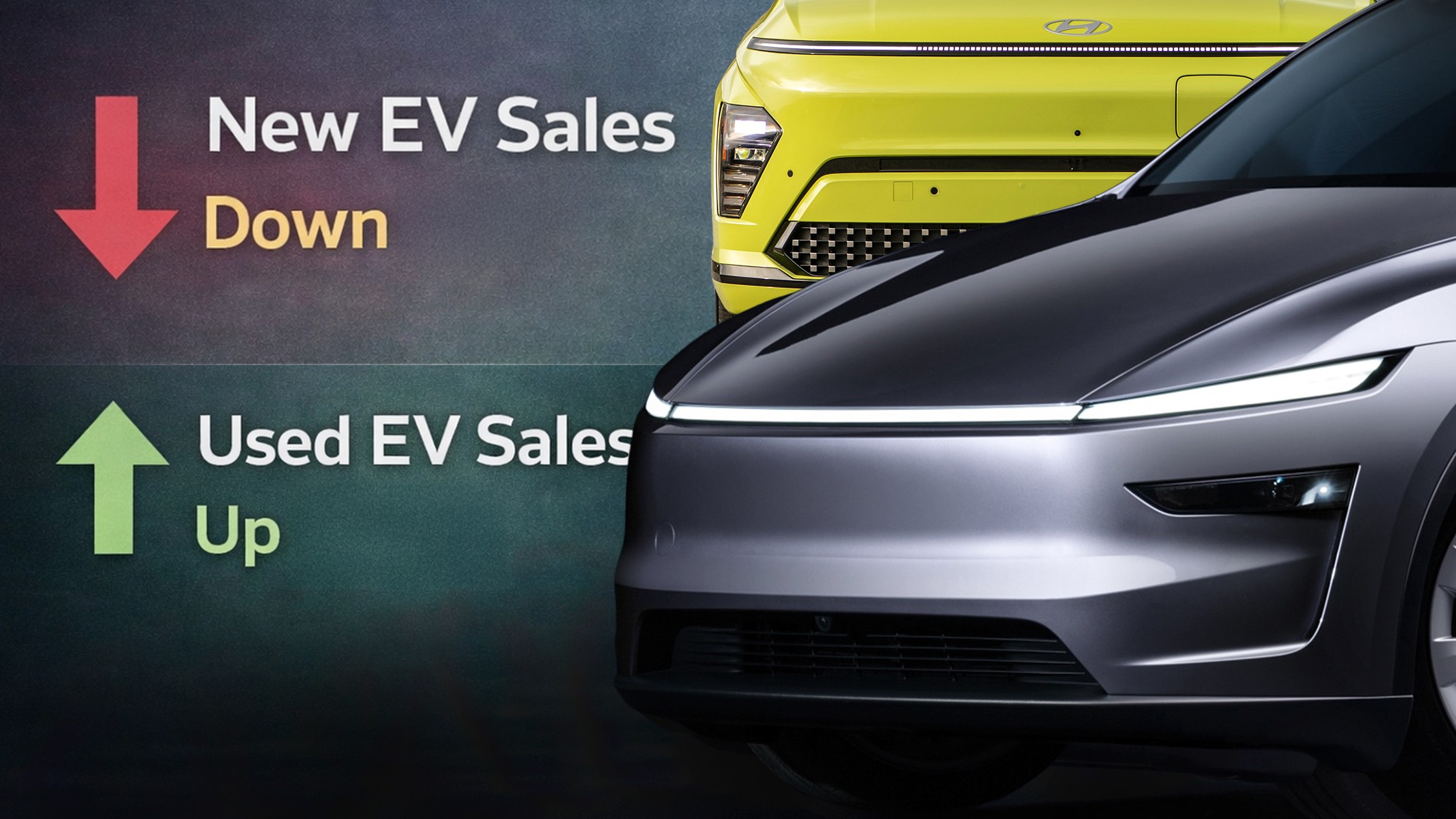
Electric vehicle (EV) sales growth stalled in February, with new unit volumes down 27% year-over-year despite rising fuel prices. This decline doesn’t necessarily signal a collapse in consumer interest, but instead reveals a critical shift in where and how people are buying EVs. While new EV sales fell to just under 69,000 units, the used EV market saw a robust 29% increase, with nearly 31,000 vehicles sold. This trend highlights a growing willingness among buyers to consider pre-owned electric cars, especially as prices become more competitive.
New EV Market: Incentives and Price Drops
The decline in new EV sales reflects a broader trend of automakers relying heavily on discounts and incentives to attract buyers. Average transaction prices for new EVs fell to around $55,300, with incentives now comprising over 14% of the total cost—averaging $7,870 per vehicle. This reduction in price narrows the gap between EVs and gasoline cars, making electric options more accessible. However, it also suggests that manufacturers are struggling to maintain demand without aggressive pricing strategies.
Tesla remains the market leader, selling approximately 38,500 units, but even its dominance is weakening as competitors gain ground. Chevrolet experienced a 70% surge in demand from January, while Hyundai and Toyota also saw positive growth. Ford and Nissan, however, struggled, contributing to the overall downturn in new EV sales.
The Rise of Used EVs: Affordability Drives Growth
The used EV market is quietly booming. Average prices for used EVs have plummeted over 8% year-over-year, now hovering just under $35,000. This makes them significantly cheaper than their gasoline counterparts, a situation that would have been unthinkable just months ago.
The shift towards used EVs also indicates a tightening inventory. Used EV supply now sits at approximately 42 days, exceeding comparable gas vehicle levels for the first time in nearly a year. This suggests demand is finally catching up with supply, potentially hinting at price stabilization or even increases in the near future.
Why This Matters
The divergence between new and used EV sales reveals a fundamental shift in consumer behavior. The high cost of new EVs, even with incentives, remains a barrier for many buyers. As the used EV market matures, it provides a more affordable entry point for a wider range of consumers. This trend is likely to accelerate as more EVs enter the secondary market, and as automakers continue to refine pricing strategies for new models.
The current market dynamic suggests that the EV transition is not solely driven by early adopters or luxury buyers, but increasingly by budget-conscious consumers who see electric cars as a practical and cost-effective alternative to gasoline vehicles.