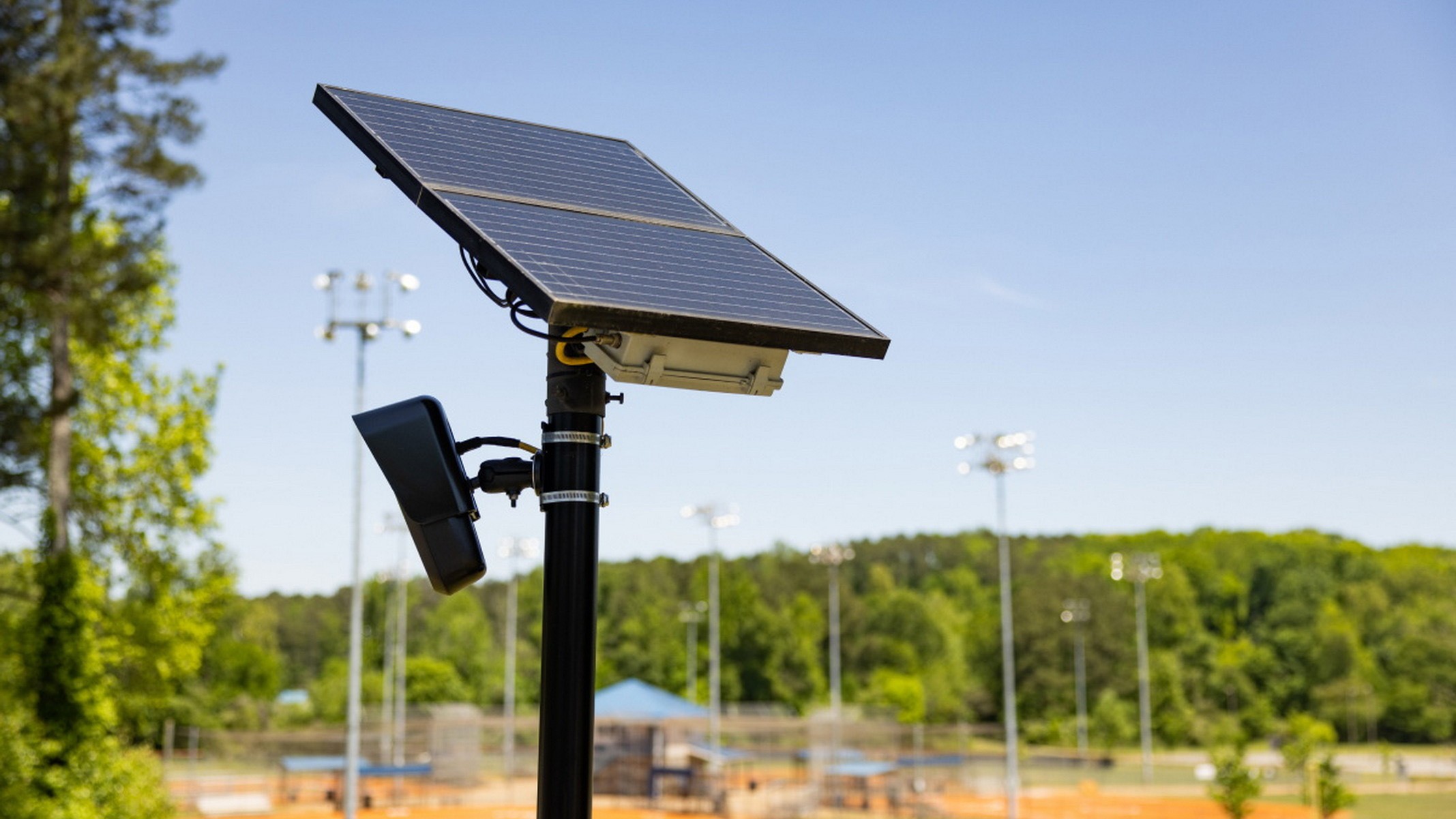
A growing wave of cities across the United States are disabling or rejecting AI-powered license plate reader (LPR) systems, primarily due to concerns over data access and potential misuse in immigration enforcement. This trend marks a significant shift in the debate around surveillance technology, with local governments acting more decisively than years of privacy advocacy could achieve.
The Rise of Automated Surveillance
Flock Safety, a leading provider of LPR systems, has seen its technology adopted by thousands of police departments and private communities nationwide. However, recent scrutiny has focused on how this data might be shared with federal agencies. The core issue is that while the company has taken some steps to restrict access, concerns remain about how law enforcement entities might use the data for immigration-related tracking.
Cities Push Back
Over the past six months alone, 38 cities across 20 states have deactivated or rejected Flock cameras. This represents a substantial increase in opposition to the technology, indicating a growing unease among local officials and citizens. The company itself acknowledges the situation, with Chief Legal Officer Dan Haley stating that much of the criticism is misdirected, but still imposed restrictions on federal agency access last August.
Beyond License Plates: A Broader Surveillance Network
The controversy surrounding Flock Safety isn’t isolated. Companies are rapidly expanding into other surveillance technologies, including drone systems, gunshot detection, and real-time crime centers that integrate multiple data streams into a single live network. This suggests a broader trend toward comprehensive, automated surveillance.
The Debate Over Security vs. Privacy
Supporters argue that such tools enhance public safety, while opponents warn of a mass surveillance state where everyday activities are tracked, stored, and searchable. The immigration enforcement debate has further intensified this conflict, with both sides digging in. Flock Safety believes that public acceptance of this level of surveillance is inevitable, framing it as a “rational trade-off” between security and privacy.
Despite the resistance, the expansion of surveillance technology shows no sign of slowing down. The question remains whether communities will ultimately accept this new reality or continue to push back against the erosion of privacy.