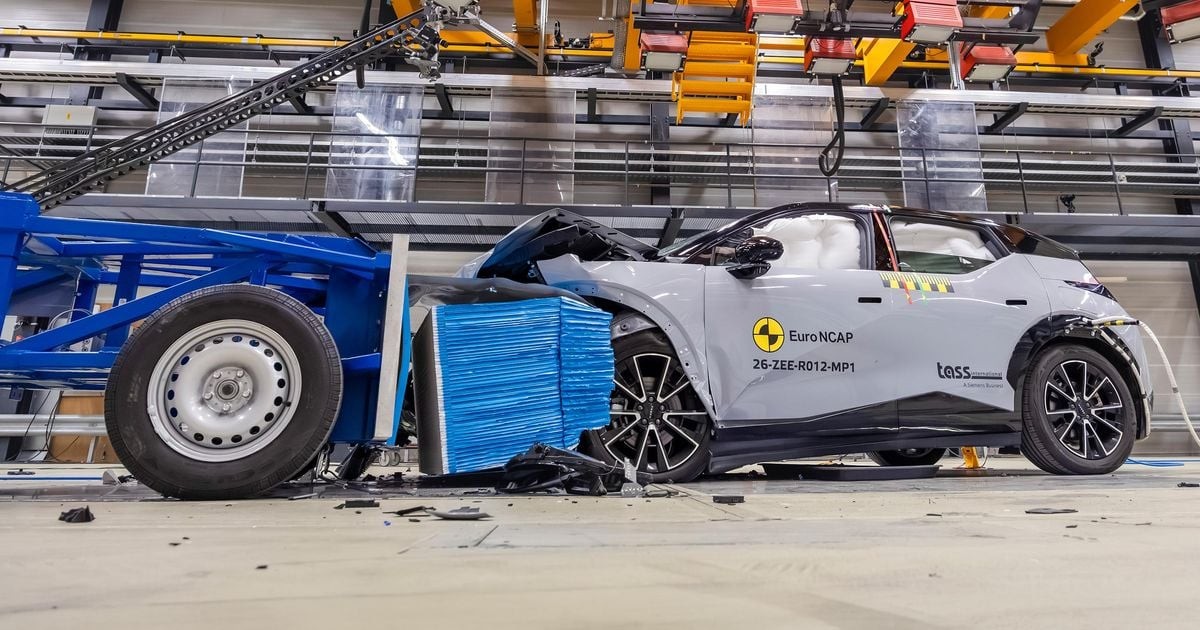
The Zeekr X, a compact electric SUV, has been selected for experimental crash tests designed to shape the next generation of vehicle safety standards. European and Australian safety organizations are already developing protocols for 2029, following updates introduced in 2026, and are using the Zeekr X as a test case. This doesn’t affect the car’s current five-star ANCAP rating, but instead informs the future standards.
The Evolution of Safety Protocols
Vehicle safety standards aren’t static. Euro NCAP and ANCAP update their protocols every three years, with the latest revisions already in effect. This incremental approach ensures that new technologies and real-world accident data are continuously integrated into testing procedures. The 2029 standards will heavily align between the two bodies, guided by Euro NCAP’s Vision 2030 roadmap.
Focus on ADAS Integration and Phantom Braking
A key area of focus is improving how advanced driver-assist systems (ADAS) work together. Current systems sometimes issue unnecessary alerts or even engage in “phantom braking” – sudden, unwarranted emergency braking events. This has been an issue for some manufacturers, including Tesla, and the new standards aim to minimize these occurrences. The goal is for vehicles to interpret driver behavior more accurately, only alerting when truly needed.
“The systems as they are today – sometimes, they are not delivering what the promise,” says Dr. Michiel van Ratingen, Secretary General of Euro NCAP.
New Crash Test Dummies for Greater Accuracy
The 2029 protocols will also incorporate more realistic crash test dummies representing a wider range of body types. A new €1.3 million “Thor-5F” dummy, designed to simulate a fifth-percentile adult female, has already been introduced. The organization plans to add another for testing in 2029. This is crucial because current data shows women are twice as likely to suffer whiplash injuries in accidents, making the use of male-only dummies problematic.
Cloud Connectivity and Enhanced Data Collection
Beyond physical crash tests, the 2029 standards will leverage cloud-based communication. Expanding on the 2026 protocols (which now penalize cars lacking automatic emergency call functions), additional data sent during a crash could give first responders critical information about the severity of the incident and potential injuries. This means vehicles will increasingly act as data hubs, transmitting real-time insights that could save lives.
Driving Change in the Market
According to Dr. van Ratingen, the 2026 updates focused on establishing the framework, while the 2029 protocols will focus on using these new tools to drive real improvements in vehicle safety. The Zeekr X is just the first step in a continuous cycle of testing, refinement, and ultimately, safer cars.