The “Adventure” (ADV) motorcycle segment is notoriously difficult to define. Because the term covers everything from lightweight dirt-focused machines to massive, high-tech touring giants, manufacturers often struggle to find a middle ground. Usually, a rider must choose: do you want a bike that excels in the dirt but feels uncomfortable on the highway, or a touring machine that is too heavy to handle on a trail?
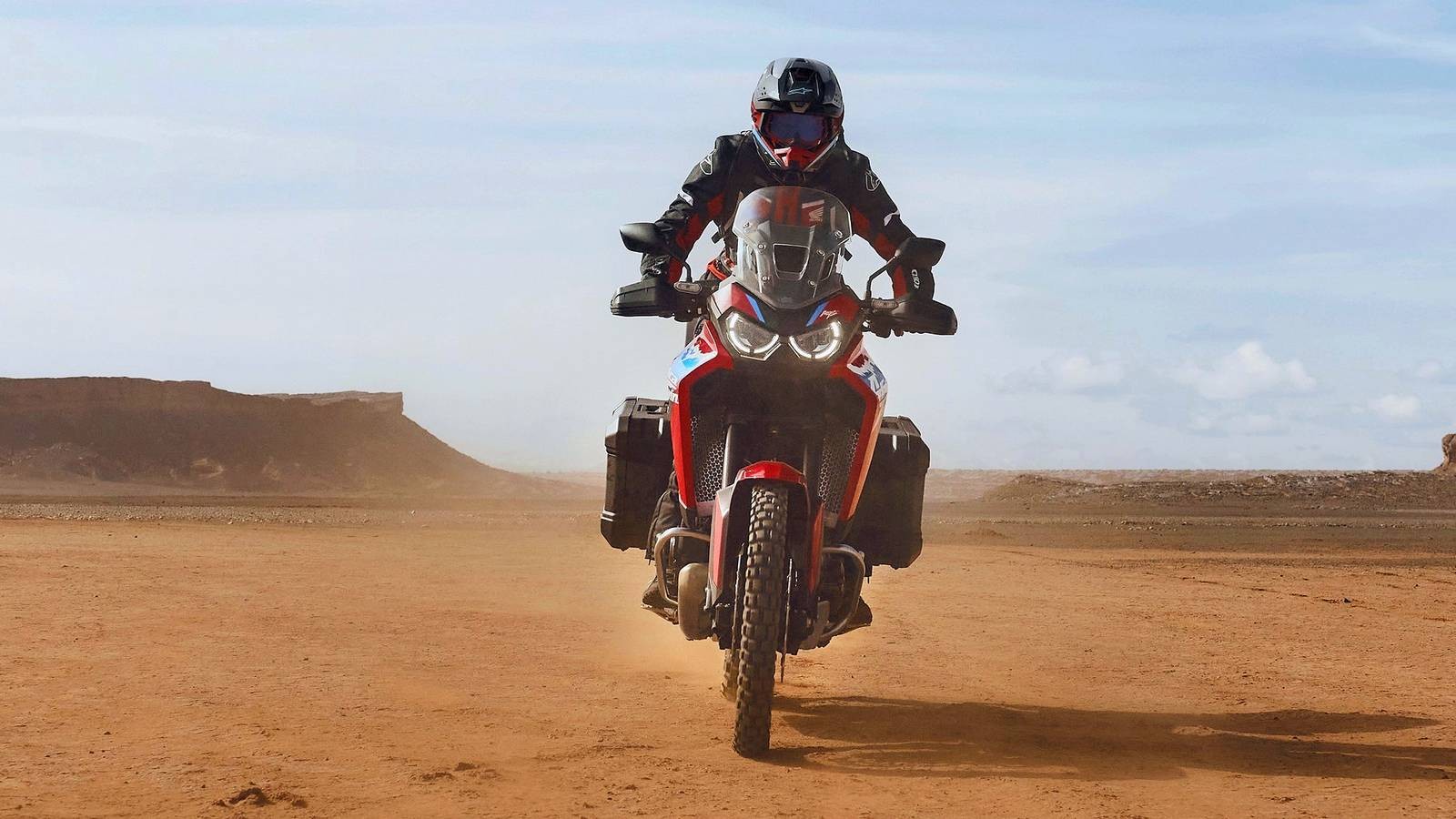
The Honda Africa Twin has positioned itself as the solution to this dilemma, offering a balanced platform that aims to satisfy both the off-road enthusiast and the long-distance tourer.
The Spectrum of Adventure Riding
To understand why the Africa Twin matters, one must look at the two extremes currently dominating the market:
- The Hardcore Off-Roaders: Models like the KTM 890 Adventure R and Yamaha Ténéré 700 are built for technical terrain. They are lightweight and narrow, but this often comes at the cost of highway comfort and luggage capacity.
- The Heavyweight Tourers: The BMW R 1300 GS and Ducati Multistrada V4 prioritize stability, advanced electronics, and long-distance comfort. While capable, they can feel cumbersome when the pavement ends.
The Africa Twin occupies the “sweet spot” between these two philosophies, providing a machine that is rugged enough for the trail but sophisticated enough for the interstate.
A Legacy Forged in the Dakar Rally
The Africa Twin is not just a modern gadget; it is a nameplate with deep racing pedigree. Honda dominated the legendary Dakar Rally in the late 1980s, winning four consecutive titles. This heritage informs the DNA of the modern CRF1100L. While technology has evolved from the simple mechanical setups of the 1980s to modern electronic suites, the core mission remains the same: durability and versatility in the world’s harshest environments.
Engineering for the Real World
Honda has focused on making the Africa Twin a “do-it-all” machine through several key technological pillars:
1. The Powerplant and Transmission
The heart of the bike is a 1,084cc parallel-twin engine. Rather than chasing raw, unmanageable horsepower, Honda tuned it for smooth torque delivery. This makes the bike predictable whether you are crawling over rocks or overtaking a truck on the highway.
A standout feature is the optional Dual Clutch Transmission (DCT). While it adds weight and cost, the DCT offers significant advantages:
– Reduced Cognitive Load: In technical off-road sections, riders can focus on balance and line choice rather than managing a clutch lever.
– Seamless Shifting: The system uses two clutches to pre-select gears, ensuring smooth transitions.
– Anti-Stall Safety: It prevents the engine from stalling in difficult low-speed maneuvers.
2. Specialized Wheel Configurations
Honda recognizes that “adventure” means different things to different people, so they offer two distinct setups:
– The Standard Africa Twin: Features a 21-inch front wheel, the gold standard for navigating deep sand and large obstacles off-road.
– The Adventure Sports ES: Features a 19-inch front wheel, which lowers the seat height and improves handling on paved roads and gravel, making it the better choice for touring-heavy riders.
3. Advanced Electronics and Suspension
Modern ADV riding relies heavily on rider aids. The Africa Twin utilizes a six-axis IMU to provide lean-sensitive traction control and various ride modes (Tour, Urban, Gravel, and User ). A 6.5-inch TFT touchscreen integrates navigation and smartphone connectivity via Apple CarPlay and Android Auto, bringing modern convenience to the wilderness.
For comfort, the Adventure Sports ES model utilizes electronic Showa EERA suspension, allowing riders to adjust damping settings via the dashboard without needing tools—a vital feature when transitioning from a smooth highway to a bumpy trail.
Comparison: Finding the Right Fit
While the Africa Twin is a premier all-rounder, other options exist depending on a rider’s specific priorities:
| Model | Best For… | Key Trade-off |
|---|---|---|
| Honda Africa Twin | The “All-Rounder” seeking balance. | Heavier than pure off-roaders. |
| BMW F 900 GS | Riders prioritizing lightness and agility. | Less fuel capacity and fewer touring aids. |
| Triumph Tiger 900 Rally Pro | Riders seeking unique engine character. | Different power delivery (Triple vs. Twin). |
Conclusion: The Honda Africa Twin succeeds by refusing to specialize in just one direction. By balancing off-road ruggedness with touring sophistication, it serves as a single-bike solution for riders who refuse to be limited by the terrain.