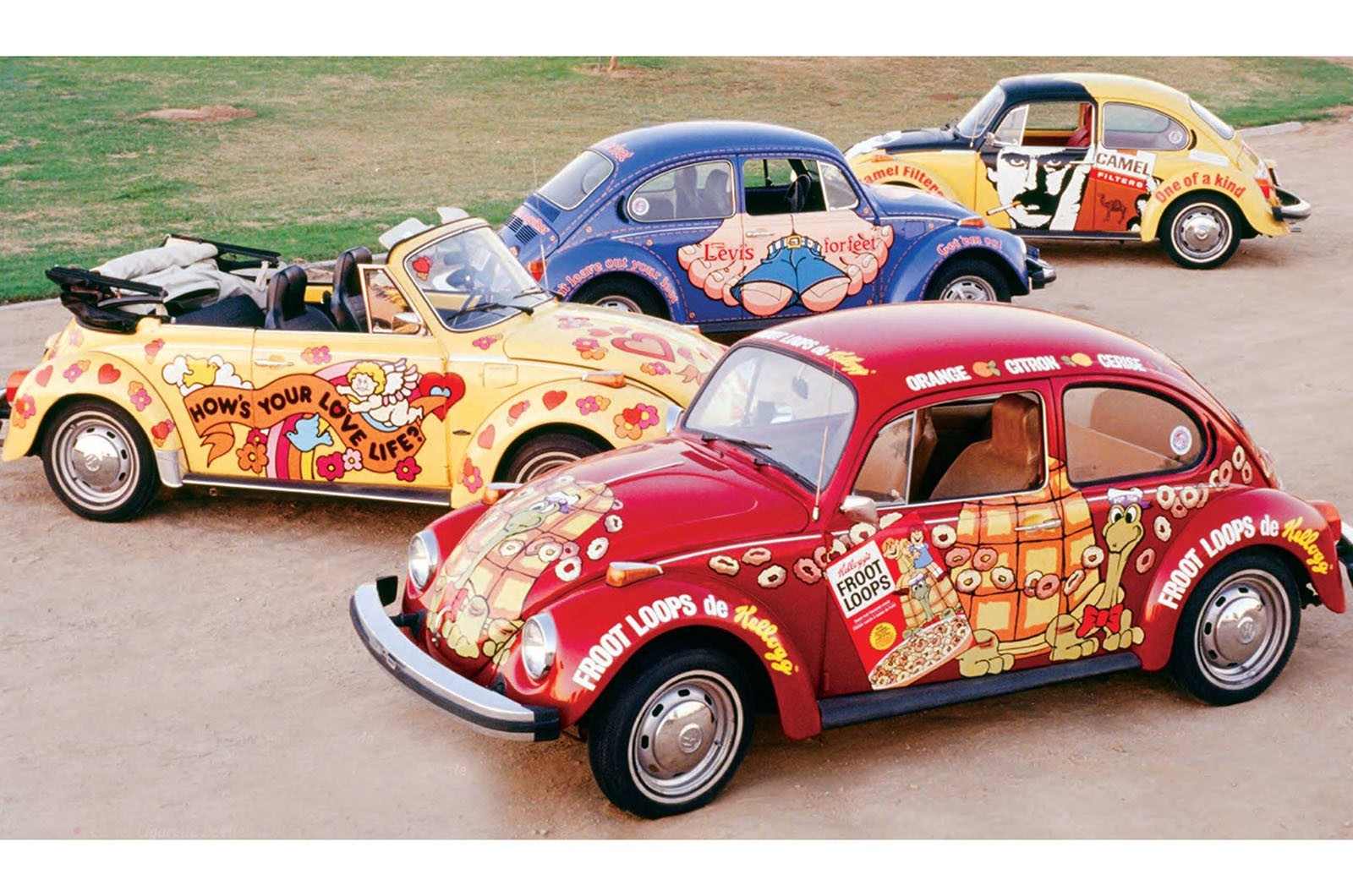
In the modern era, we are accustomed to seeing brand logos on delivery vans and public buses. However, in the 1970s, a peculiar marketing phenomenon turned private vehicles—specifically the iconic Volkswagen Beetle—into high-traffic advertising platforms. This movement transformed the personal car into a lucrative tool for reaching the elusive youth demographic.
The Birth of Beetleboards
The concept was pioneered in 1971 by Charles E. Bird, a marketing specialist focused on youth culture. While lecturing at San Diego University, Bird observed a Volkswagen Beetle decorated with flower stickers. He recognized a unique opportunity: the “Bug” was the preferred vehicle for budget-conscious students, a demographic that advertisers desperately wanted to reach but often struggled to engage through traditional media.
To capitalize on this, Bird founded Beetleboards in October 1971. His strategy was simple but effective:
– Targeted Reach: He utilized the high concentration of students on university campuses.
– First Client: Levi’s jeans became the company’s inaugural sponsor.
– Proof of Concept: After driving a stickered Beetle through the University of California, Los Angeles, the enthusiastic reception from students confirmed the model’s viability.
Within a single year, Beetleboards had expanded its reach to the 100 most populous universities in the United States, powered by a specialized team of young women.
Overcoming Legal Hurdles
Despite its rapid growth, the business faced a significant obstacle: verification. Clients needed proof that their advertisements were being displayed prominently and remained in good condition. Beetleboards initially proposed conducting monthly inspections at Volkswagen dealerships to satisfy these requirements.
This proposal met fierce resistance from Volkswagen, which threatened legal action. The tension was only resolved through a creative, “guerrilla” marketing tactic. Bird parked a Levi’s-branded Beetle directly outside the Volkswagen of America headquarters. The positive reaction from the employees there was so overwhelming that the company’s advertising director pivoted from opposition to partnership.
This deal turned a conflict into a collaboration, allowing Beetleboards to:
1. Conduct official vehicle verifications.
2. Assist in recruitment.
3. Sell stickered cars directly from showrooms.
For the car owners, the financial incentive was clear. At a time when a new Beetle cost approximately $3,000, a participant could earn roughly $480 over two years through the advertising program.
Global Expansion and the “Roller Poster”
The success of the American model paved the way for international expansion. Starting in 1975, the concept moved into Canada and Puerto Rico. By 1978, the trend reached the United Kingdom, though it underwent a local adaptation.
In Britain, the scheme was rebranded as “Roller Posters” and managed by the outdoor advertising firm Mills and Allen. Instead of the VW Beetle, the program utilized the Mini, which held a similar cultural status among young drivers. Much like in the US, the clients were primarily consumer goods and tobacco companies, though the Mini’s manufacturer, British Leyland, also took advantage of the mobile exposure.
This era marked a shift in advertising logic, proving that a brand’s presence could be more effective when integrated into the lifestyle and personal property of its target audience.
Conclusion
The rise of Beetleboards and Roller Posters demonstrated how niche demographics could be reached through unconventional, symbiotic marketing. By turning personal vehicles into advertising assets, companies successfully bridged the gap between consumer products and the youth culture of the 1970s.