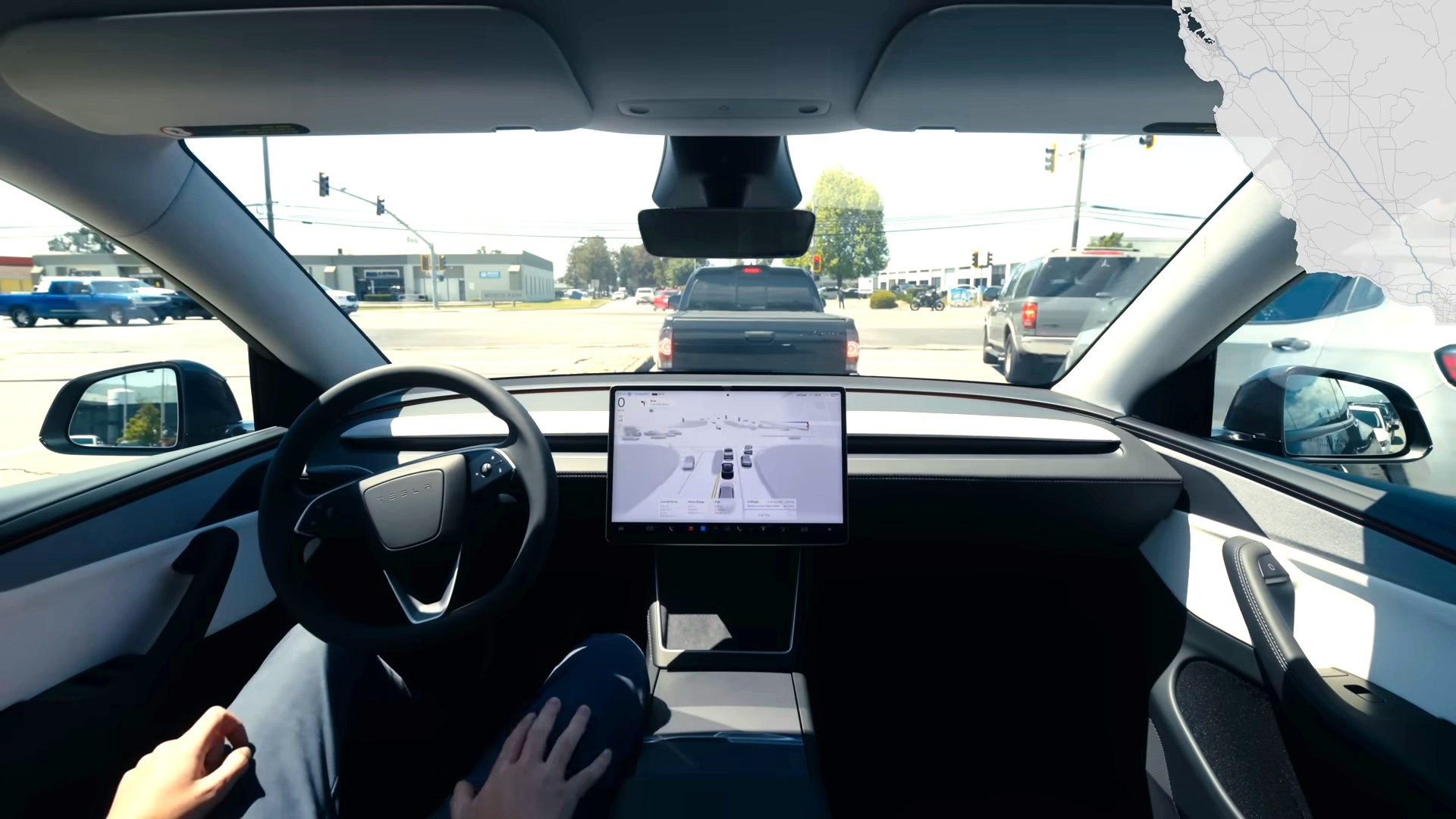
For years, a digital divide has existed among Tesla owners. While drivers in North America enjoyed the rollout of Full Self-Driving (FSD), owners in Europe, China, Korea, and Turkey were left with a grayed-out menu—despite having paid thousands of dollars for the software.
Frustrated by the delay, a global community of enthusiasts turned to hardware workarounds to bypass regional restrictions. Now, Tesla is fighting back, remotely disabling the very features these owners fought to unlock.
The “Hack”: Tricking the Car’s Location
To circumvent Tesla’s regional software locks, some owners began using small CAN bus modules. These devices, which cost approximately €500 ($550), plug directly into the vehicle’s Controller Area Network.
By intercepting the car’s internal communications, these modules trick the onboard computer into believing the vehicle is physically located in a region where FSD is legally permitted. This “spoofing” allows the software to activate, bypassing the geofencing that Tesla uses to comply with local regulations.
Tesla’s Response: Remote Disablement
The era of easy workarounds appears to be ending. Recently, drivers across Europe and Asia have reported receiving a stark warning on their vehicle displays:
“Your vehicle has detected an unauthorized third-party device. As a precaution, some driver assistance functions have been disabled for safety reasons.”
In many instances, Tesla has gone beyond a simple warning, stripping the vehicle of FSD capabilities entirely and reverting the software to basic Autopilot. From a manufacturer’s perspective, these third-party modules represent a significant security vulnerability, as they introduce unverified hardware into the car’s critical communication network.
High Stakes: Legal and Financial Risks
The consequences of these modifications extend far beyond losing software features. In some jurisdictions, the legal penalties are severe:
- In South Korea: The Ministry of Land, Infrastructure and Transport views these modifications as violations of the Automobile Management Act.
- Potential Penalties: Drivers caught using these devices could face up to two years in prison or fines totaling roughly $13,000.
This creates a massive disparity between the cost of the “fix” ($550) and the potential legal fallout ($13,000 and jail time).
A Question of Ownership in the Software Era
The timing of this crackdown is particularly ironic. Rumors suggest that Dutch regulators may approve FSD for Europe as early as April 10, which could lead to a legitimate, official rollout across the continent. This means many owners have risked their warranties and legal standing just weeks before the feature was set to become officially available.
Beyond the immediate news, this situation highlights a fundamental shift in the concept of vehicle ownership. In an era of Over-the-Air (OTA) updates, the relationship between the driver and the machine has changed:
- Control resides with the manufacturer: Even if you physically own the hardware in your driveway, the manufacturer retains the ability to alter, restrict, or revoke software capabilities remotely.
- Software as a Service: Modern cars are increasingly becoming “software-defined,” meaning the car’s identity and utility are dictated by code that the owner does not control.
Conclusion: As Tesla tightens its digital grip on regional software locks, owners are learning that bypassing manufacturer restrictions carries heavy risks—ranging from permanent software loss to serious criminal penalties.