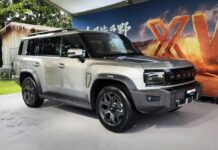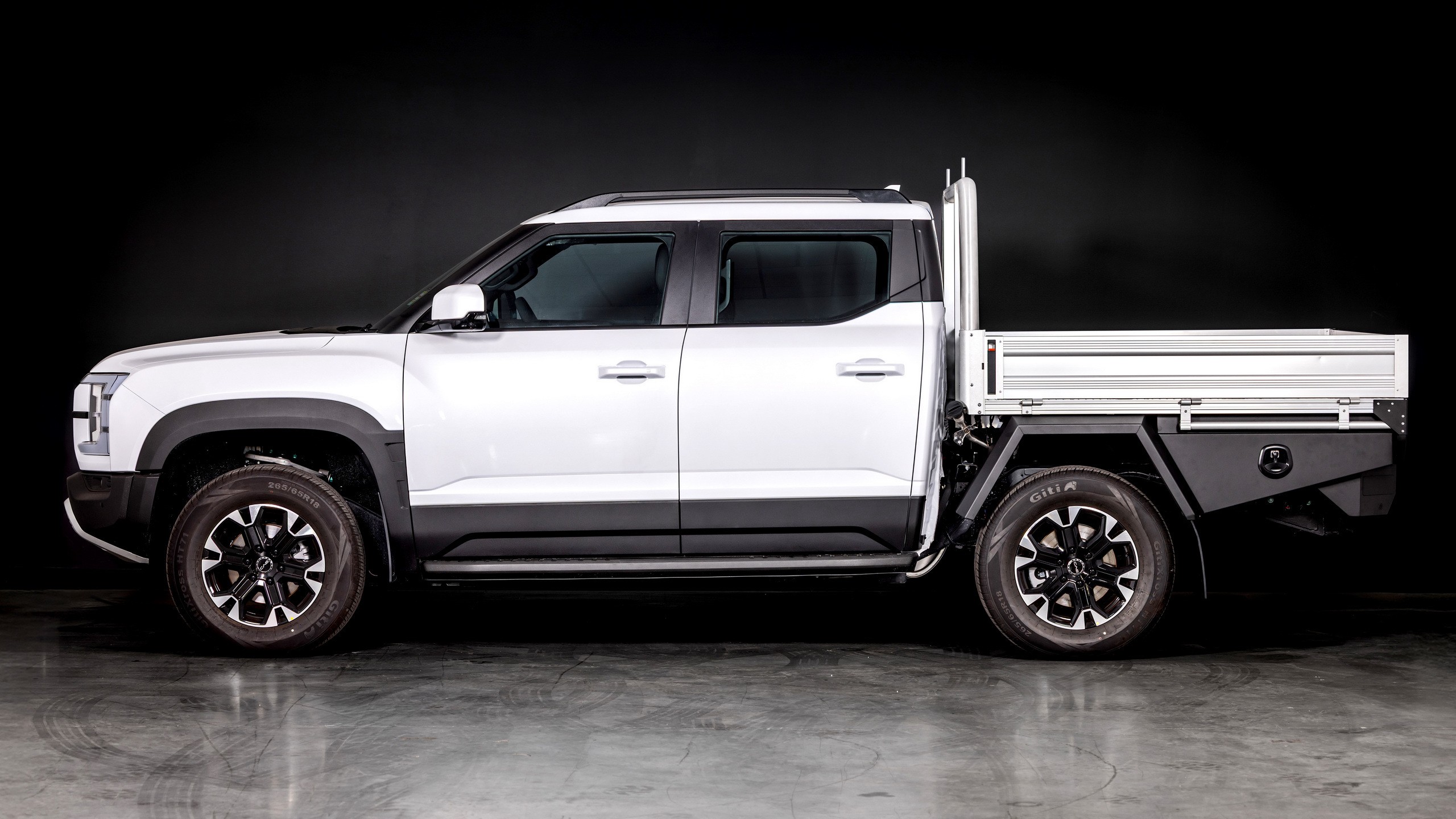
BYD is making a decisive move to challenge the established dominance of traditional pickup trucks. Following the successful launch of the Shark 6 in Australia—where it quickly became one of the country’s top-selling vehicles—the Chinese manufacturer has unveiled a high-performance variant designed to address the primary criticism leveled against Chinese-made utility vehicles: workhorse capability.
Answering the Critics
The timing of this release follows direct criticism from Ford CEO Jim Farley, who recently questioned the ability of Chinese pickups to compete with long-standing icons like the Ford Ranger and Toyota Hilux. Farley argued that Chinese manufacturers lack the decades of chassis expertise and specialized experience required to master towing and payload requirements.
The new Shark 6 Performance appears to be a direct response to these claims. By significantly increasing its towing capacity, BYD is attempting to bridge the gap between “lifestyle” electric vehicles and true utility workhorses.
Enhanced Power and Towing Capacity
The Performance variant moves away from the 1.5-liter engine found in the standard Premium model, opting instead for a more robust 2.0-liter turbocharged four-cylinder hybrid system. This upgrade brings substantial improvements to the vehicle’s output:
- Power: Increased to 469 hp (350 kW).
- Torque: Boosted to 516 lb-ft (700 Nm).
- Acceleration: 0–100 km/h in 5.5 seconds.
While the speed increase is notable, the most critical upgrade is the towing capacity. The Shark 6 Performance can now tow up to 3,500 kg (7,716 lbs), a significant jump from the 2,500 kg limit of the standard model. This figure places the BYD on equal footing with the Ford Ranger, effectively neutralizing one of the biggest competitive disadvantages previously held by the Shark series.
Off-Road Refinement
To complement its increased strength, BYD has introduced technical features aimed at improving off-road control. A new Crawl Mode has been integrated, which is specifically engineered for navigating difficult terrain such as rocks, steep inclines, or deep ruts.
This mode limits the vehicle to a steady 20 km/h (12.4 mph) and continuously manages torque distribution to prevent wheel spin and maintain traction in low-grip environments.
Market Position and Value
Despite the performance upgrades, BYD is maintaining its aggressive pricing strategy. The Shark 6 Performance will retail starting at AU$62,900, which is approximately AU$5,000 more than the base Premium model.
While this price increase is expected, the entry point remains significantly lower than many of its established competitors. This allows BYD to leverage its cost-efficiency to attract buyers who want high-tech hybrid performance without the premium price tag of traditional brands.
Conclusion
By boosting its towing capacity to 3,500 kg and introducing specialized off-road modes, BYD is attempting to prove that Chinese-made pickups can function as legitimate heavy-duty tools rather than just high-tech alternatives. Whether the brand can match the “payload” expertise cited by industry veterans remains the next major question for the market.