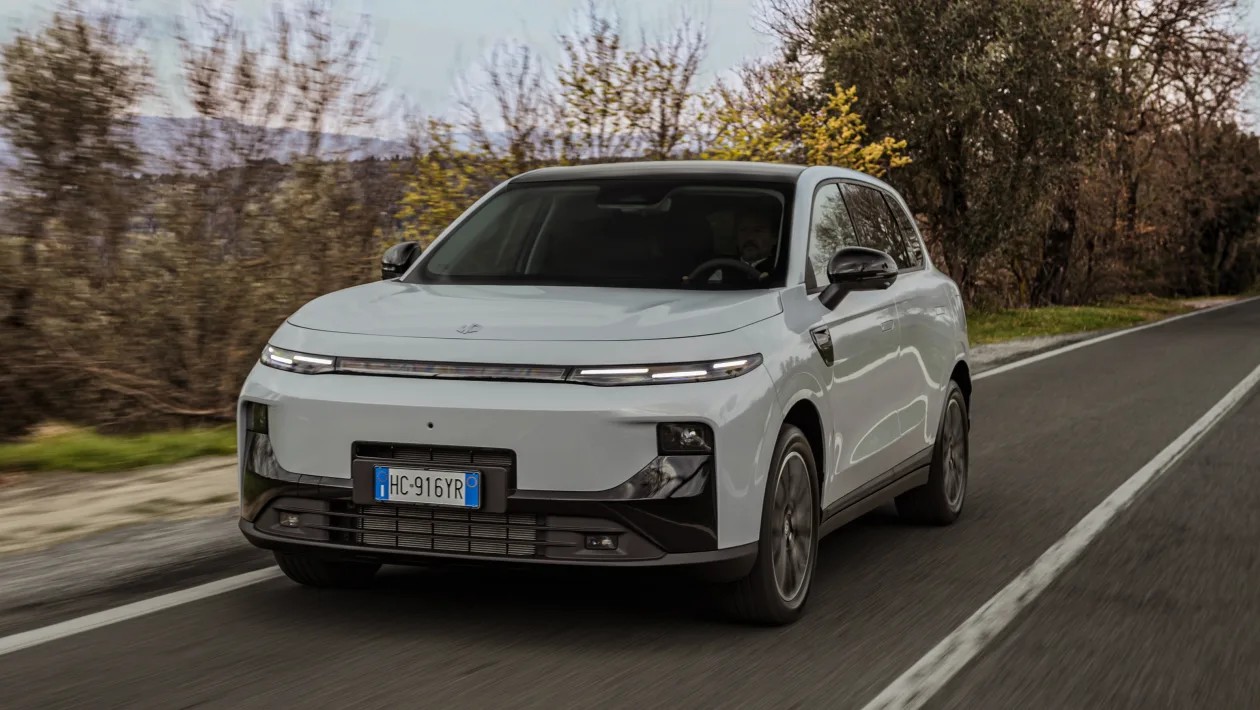
The Leapmotor B10 Hybrid EV aims to solve the primary dilemma facing modern drivers: the desire for the smooth, quiet driving experience of an electric vehicle (EV) versus the “range anxiety” caused by charging infrastructure and long-distance travel. By combining an electric motor with a petrol generator, Leapmotor offers a middle ground that prioritizes flexibility.
Understanding the “Hybrid EV” Concept
While many manufacturers use the term “Plug-in Hybrid” (PHEV), Leapmotor is rebranding its technology as Hybrid EV. Technically, this is a Range-Extended Electric Vehicle (REEV).
Unlike a traditional hybrid where the petrol engine helps turn the wheels, the B10’s 1.5-litre petrol engine acts primarily as a mobile power station. Its sole job is to run a generator that feeds electricity into the 18.8kWh battery, which then powers the electric motor. This distinction is crucial: it means the driving dynamics remain almost entirely electric, regardless of whether the petrol engine is running.
Driving Performance and Modes
On the road, the B10 Hybrid EV feels remarkably similar to its fully electric counterpart, delivering 215bhp and a 0-62mph sprint in 7.5 seconds. The transition between battery power and petrol-generated power is smooth, though the car offers four distinct modes to help drivers manage their energy consumption:
- EV+ Mode: Prioritizes the battery until it hits 15% charge. This is ideal for short, local commutes where the car can run almost entirely on electricity.
- Standard EV Mode: Uses the battery until it reaches 25% charge.
- Fuel Mode: Keeps the battery charged via the petrol engine, making it the better choice for long motorway hauls.
- Power+ Mode: Runs the generator constantly to ensure the battery remains topped up at all times.
Note for drivers: While the petrol engine is well-insulated and relatively quiet, the dashboard lacks a clear visual indicator to show exactly when the engine has kicked in, which may be confusing during high-speed driving.
Practicality and Interior Space
One of the B10’s strongest selling points is its interior packaging. Despite the addition of a petrol engine and a 50-litre fuel tank, Leapmotor has managed to maintain a spacious cabin.
- Passenger Comfort: The rear features a flat floor, generous legroom, and ample headroom, aided by a large panoramic glass roof that makes the cabin feel airy.
- The Trade-off: The inclusion of the hybrid system comes at a cost to cargo space. The boot capacity drops from 430 litres in the pure EV version to 330 litres in the Hybrid EV.
- Technology: The interior is dominated by a large 14.6-inch touchscreen. While the interface takes some time to master, it controls almost all vehicle functions, a trend common in modern Chinese-designed vehicles.
Efficiency and Value
In real-world mixed driving, the B10 returned approximately 47mpg and an efficiency of 3.0 miles/kWh. With a full tank and a full charge, the vehicle offers a total range of up to 559 miles, making it a highly capable long-distance cruiser.
However, buyers should look beyond the initial purchase price (starting at £31,495 ). While the hybrid setup removes the need for frequent charging, the long-term running costs will be influenced by fluctuating petrol prices, whereas the pure EV version would rely on much cheaper electricity.
Verdict
The Leapmotor B10 Hybrid EV is a practical solution for drivers who want the benefits of an electric drivetrain without the logistical hurdles of pure EV ownership. It offers excellent interior space and smooth performance, though potential buyers must weigh the convenience of a petrol engine against slightly reduced boot space and varying fuel costs.
Quick Specs: Leapmotor B10 Hybrid EV
- Price: From £31,495
- Powertrain: 1.5-litre four-cylinder petrol REEV
- Power: 215bhp / 240Nm
- 0-62mph: 7.5 seconds
- Total Range: Up to 559 miles
- Efficiency: ~46.3mpg (combined)