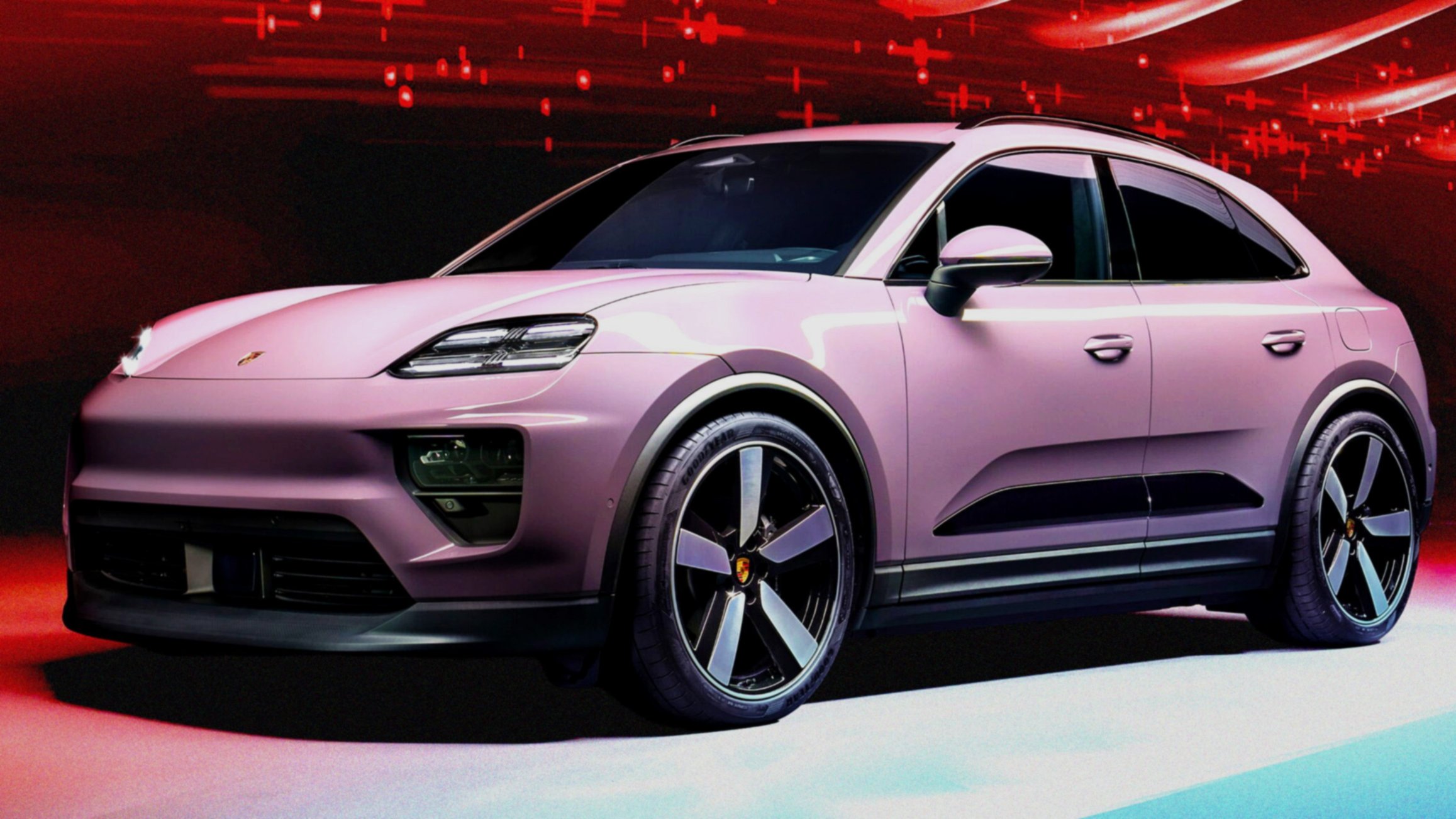
Porsche is currently navigating a period of significant turbulence, particularly in the Chinese market. As domestic Chinese brands surge in popularity, the German automaker has seen sales plummet by 50% since 2022, leading to the closure of approximately 30% of its dealerships. With market share dropping another 21% in the most recent quarter, the pressure from high-performance, low-cost Chinese competitors is undeniable.
However, Porsche is not viewing this shift with panic. Instead, the company is adopting a strategic, long-term perspective on how these new market entrants might actually serve as a “gateway” to luxury ownership.
The “Step-Up” Strategy in Australia
While the competition in China is fierce, the landscape in markets like Australia offers a different outlook. Porsche Cars Australia CEO Daniel Schmollinger suggests that the rise of affordable Chinese electric vehicles (EVs) may actually create a pipeline of future customers.
Schmollinger’s logic rests on the concept of consumer progression :
– Phase 1: A buyer enters the EV market via an affordable, high-tech Chinese brand.
– Phase 2: After gaining experience with electric mobility, the consumer seeks a higher tier of prestige, performance, and brand heritage.
– Phase 3: That consumer “steps up” to a Porsche.
“I wouldn’t call it concern; I wouldn’t call it worried; I look at it as an opportunity,” Schmollinger told Drive. “People will want what’s next. And what is the next step? Then we are here for them.”
A Calculated Risk vs. Market Reality
This optimistic view raises an important question: Will budget-conscious EV buyers actually migrate to the luxury segment?
There are two ways to interpret this trend:
- The Optimistic View: Chinese brands are successfully “onboarding” a new generation of EV drivers. Once these drivers become accustomed to the technology and lifestyle of electric driving, their desire for status and superior engineering will naturally drive them toward premium brands like Porsche.
- The Skeptical View: Many buyers gravitating toward Chinese EVs are specifically seeking value-for-money and lower entry costs. There is no guarantee that a consumer prioritized by budget today will have the desire—or the capital—to transition into the luxury tier tomorrow.
Why This Matters
This tension highlights a broader shift in the automotive industry. For decades, luxury brands relied on exclusivity and high barriers to entry. Now, as Chinese manufacturers democratize high-performance electric technology (offering massive horsepower at a fraction of the cost), Porsche must decide if it can remain a “destination brand” for people who are currently driving much cheaper alternatives.
Conclusion
Porsche is betting that the current wave of Chinese EV adoption is not a threat, but a customer acquisition tool that will eventually feed their luxury pipeline. Whether these new drivers see Porsche as their “next step” remains to be seen.