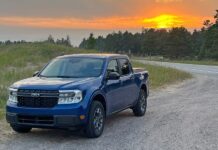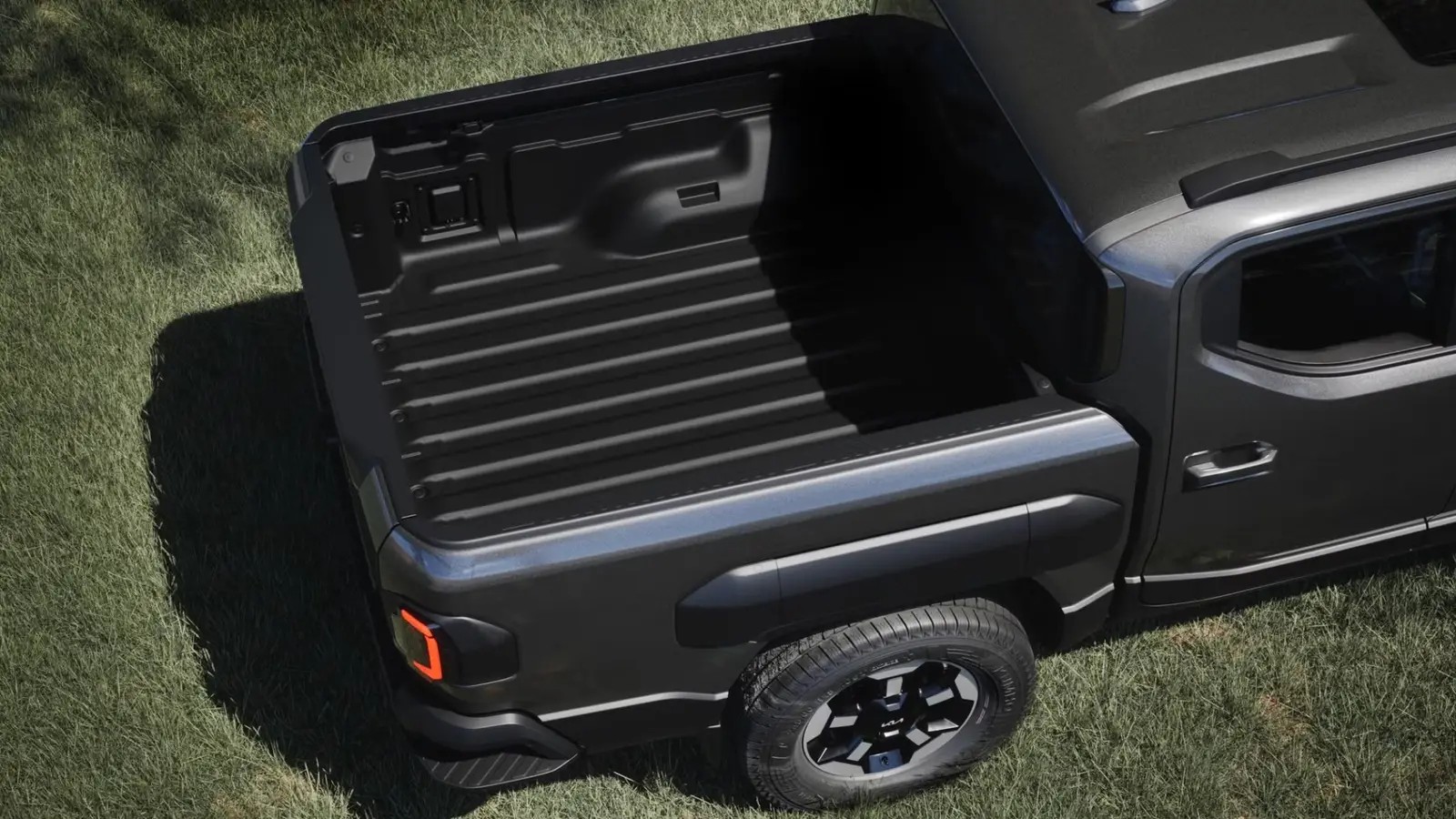
The midsize truck segment is bracing for a major shift. As traditional leaders like the Toyota Tacoma, Chevrolet Colorado, and Ford Ranger maintain their dominance, Hyundai and Kia are preparing a coordinated assault on the market with rugged, body-on-frame pickups designed specifically for American tastes.
A New Foundation: The Body-on-Frame Strategy
While many modern vehicles are moving toward unibody construction for better efficiency, Hyundai and Kia are doubling down on the “old school” approach where it matters most: durability.
At the 2026 NY Auto Show, Hyundai unveiled the Boulder SUV concept, showcasing a “smooth yet rugged” design philosophy. More importantly, the Boulder introduces a new body-on-frame (BoF) platform. This architecture is the gold standard for trucks, providing the structural rigidity required for heavy towing, serious off-roading, and long-term durability under heavy loads.
Because Kia and Hyundai share much of their engineering DNA, it is highly probable that Kia’s upcoming midsize pickup will utilize this same robust platform, ensuring both brands can compete in the “tough truck” category.
The REEV Advantage: Solving Range Anxiety
The most significant differentiator in this upcoming lineup is Kia’s decision to offer a Range-Extended Electric Vehicle (REEV) powertrain. While Hyundai has focused on the concept’s aesthetics and platform, Kia is looking at how these trucks actually function in the wild.
What is a REEV?
Unlike a standard hybrid or a pure EV, a REEV uses a gasoline engine not to turn the wheels, but to act as a mobile generator. When the battery runs low, the engine kicks in to recharge it, allowing the vehicle to continue running on electric power.
- Why this matters for trucks: For adventure-seekers and off-grid travelers, “range anxiety” is a dealbreaker. A REEV can potentially achieve over 600 miles of range, offering the quiet, high-torque benefits of an electric motor with the security of a gas tank for long-distance travel where charging stations are non-existent.
- Market Context: Kia isn’t alone in this pursuit. Major players like Ford, Jeep, Nissan, and RAM are all exploring REEV technology to bridge the gap between internal combustion and full electrification.
Built for America, by America
Hyundai is positioning these new models as a direct answer to American consumer demands. The company has emphasized that these body-on-frame models are being designed, developed, and built in the United States, utilizing American-produced steel.
This localization strategy serves two purposes:
1. Capability: It ensures the vehicles are engineered for the specific towing and hauling needs of US drivers.
2. Pricing: By manufacturing domestically, Hyundai and Kia can potentially bypass heavy import tariffs, allowing them to offer highly competitive pricing in a segment where cost-of-entry is a major factor for buyers.
The Competitive Landscape
The entry of a modern, technologically advanced Kia pickup could disrupt the status quo. By combining the ruggedness of a traditional frame with the cutting-edge efficiency of REEV technology, Hyundai and Kia are targeting a “sweet spot” in the market: drivers who demand extreme capability but want the modern comforts and fuel economy of the electric era.
The upcoming Hyundai and Kia pickups aim to prove that “rugged” and “high-tech” are not mutually exclusive, potentially challenging the long-standing dominance of established truck manufacturers.
Conclusion
By leveraging a shared body-on-frame platform and pioneering REEV technology, Hyundai and Kia are positioning themselves to transform the midsize truck segment from a traditional stronghold into a high-tech battleground of efficiency and grit.