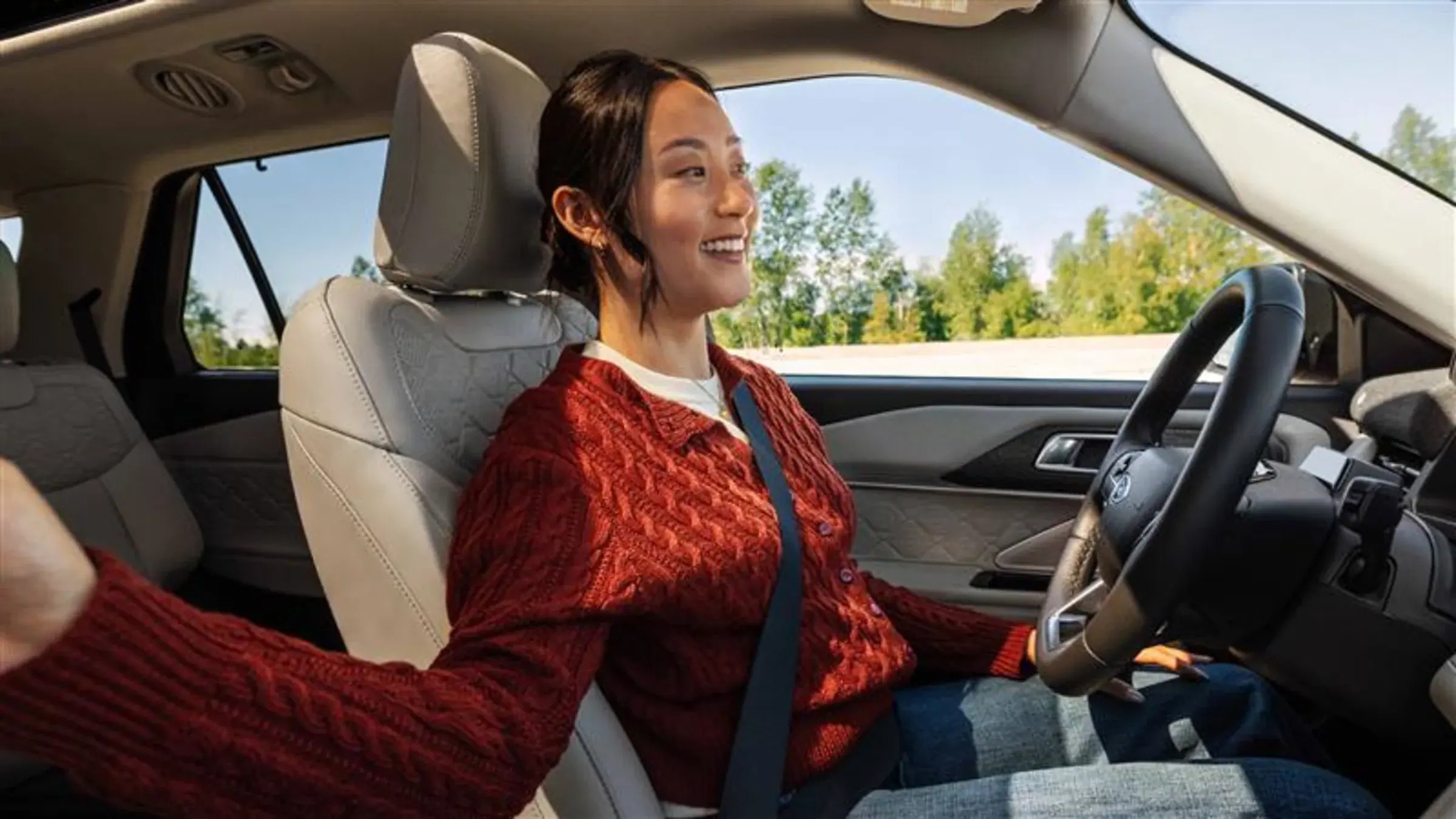
A significant disconnect exists between how motorists actually behave and how they perceive their own driving abilities. A recent survey by Mercury Insurance reveals a striking trend: while the average American driver admitted to engaging in 10 different distracted behaviors over the past year, a majority still believe they are more attentive than the typical motorist.
This psychological phenomenon—often referred to as “better-than-average” bias—suggests that many drivers are unaware of the cumulative risks they take, viewing minor lapses in attention as harmless rather than dangerous.
The Reality of Distraction: Common vs. Critical Behaviors
The survey, which included 2,500 drivers, identified 27 distinct distracted behaviors. The results show that the most frequent distractions are often those that drivers consider routine or “low-risk.”
The Most Frequent Distractions
The data indicates that many distractions involve physical movements or minor cognitive lapses:
– Drinking a beverage: 79%
– Adjusting phone navigation: 69%
– Reaching for items inside the car: 69%
– Hands-free phone calls: 66%
– Eating while driving: 61%
The Cognitive and Digital Risks
While physical tasks are common, cognitive distractions—where the driver’s mind is no longer focused on the road—are equally prevalent. This is particularly concerning because a “distracted” driver may have their hands on the wheel but lacks the mental presence to react to emergencies.
– Reading texts or notifications: 59%
– Daydreaming (mind wandering): 55%
– Staring at objects outside the vehicle: 54%
Interestingly, high-intensity digital distractions like scrolling social media (13%) and watching short-form videos (10%) were the least reported. This suggests that the most “insidious” threats are not the obvious ones, but the subtle, habitual actions that drivers have become desensitized to.
A Dangerous Disconnect in Self-Assessment
The most alarming finding from the study is the gap between admission and self-perception. Only 8% of respondents reported avoiding all 27 listed distractions. However, the statistical anomaly becomes clear when looking at high-frequency distractors: 69% of drivers who admitted to 20 or more distractions still rated themselves as more attentive than the average driver.
This suggests a widespread lack of awareness regarding how much “micro-distractions” actually impair driving performance.
Regional Trends: Where Distraction Peaks
The survey also highlighted geographic variations in driving habits, with the Southern United States showing higher rates of distracted driving.
| State | Distraction Rate | Notable Habit |
|---|---|---|
| Alabama | 45% | Highest rate of handheld phone calls |
| Georgia | 42% | High frequency of adjusting navigation |
| Massachusetts | 42% | Highest rate of texting while driving |
| West Virginia/Tennessee | ~40% | Consistent high rates |
Other states, including Indiana, Illinois, and Mississippi, also hovered around the 40% mark, indicating that distracted driving is a widespread national issue rather than a localized one.
The takeaway: The most dangerous driving habits are often the ones motorists consider “normal.” The combination of frequent minor distractions and a false sense of superior attentiveness creates a significant safety risk on American roads.
Conclusion
The study highlights a critical need for better driver education that focuses not just on obvious dangers like texting, but on the cumulative impact of minor, habitual distractions. Until drivers bridge the gap between their perceived skill and their actual behavior, road safety remains at risk.