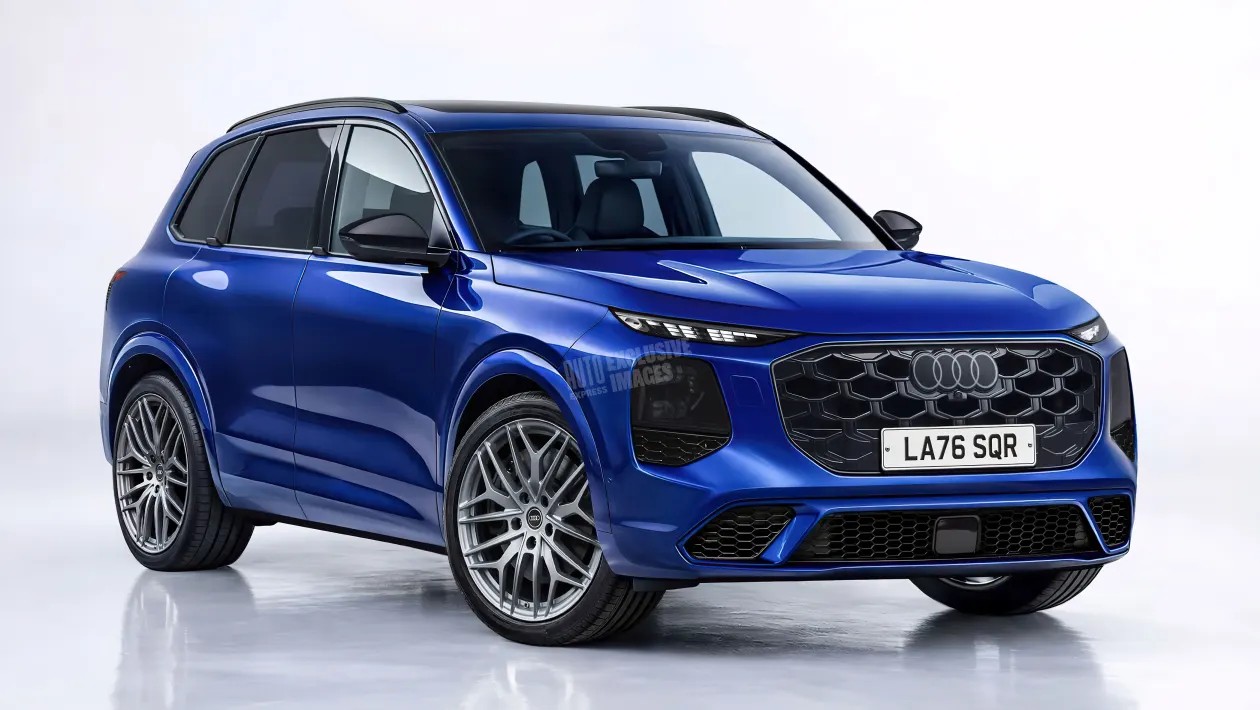
Audi is preparing to launch a next-generation Audi Q7, a move designed to revitalize its large SUV lineup and take a direct shot at industry heavyweights like the BMW X5 and Mercedes GLE. This upcoming model represents more than just a facelift; it is a fundamental technological shift that will serve as the foundation for several high-end luxury brands within the Volkswagen Group.
A New Foundation: The PPC Platform
The new Q7 will move away from the current MLB-Evo architecture in favor of the advanced Premium Platform Combustion (PPC). This transition is significant because it allows for a much more flexible electronic architecture, specifically designed to support highly efficient electrified powertrains.
This platform shift is also a strategic response to changing economic realities within the Volkswagen Group. Due to shifting capital expenditure priorities and the cancellation of Porsche’s dedicated electric SSP-Sport platform, the PPC will now act as a “super-platform.” It will not only underpin the Audi Q7 but also host future hybrid versions of the Bentley Bentayga, Lamborghini Urus, and Porsche Cayenne.
Powertrain Evolution: Prioritizing Plug-in Hybrids
Audi is clearly doubling down on electrification, with a heavy emphasis on Plug-in Hybrid Electric Vehicles (PHEVs).
- The V6 PHEV Flagship: Expected to deliver roughly 400bhp, this twin-turbocharged petrol engine paired with an electric motor aims to offer an electric-only range of 60–80 miles. With the petrol engine, a total range of approximately 500 miles is anticipated.
- Diesel and Mild-Hybrids: For those seeking efficiency without a plug, a new V6 TDI diesel (producing 295bhp) and various mild-hybrid petrol options will be available. These systems use small electric motors to assist with low-speed maneuvering and “engine-off” coasting on highways.
- Performance Peak: The high-performance SQ7 is expected to retain the enthusiast-favorite 4.0-litre twin-turbocharged V8 engine.
Design and Driving Dynamics
Visually, the Q7 marks a transition period for Audi’s design language. It will be one of the final models penned under former design chief Marc Lichte, featuring a “big and brash” aesthetic.
Exterior Styling
- Split Headlight Design: A distinctive look where thin upper units house daytime running lights, while the primary matrix LED units sit lower in the bumper.
- Streamlined Bodywork: To maintain a premium look, the SUV will feature hidden door handles and smoother, less cluttered surfacing.
- Lighting Technology: The rear will feature complex OLED panels and a full-width lightbar, mirroring the high-end styling of the Audi A6.
Interior and Tech
The cabin will undergo a digital revolution. Audi is implementing a massive curved display assembly consisting of:
1. An 11.9-inch driver information display.
2. A 14.5-inch central touchscreen.
3. A 10.9-inch dedicated passenger screen.
To ensure it competes with the luxury standards of Range Rover and BMW, the interior will utilize premium materials like leather and dynamic soft-touch fabrics.
Handling
To manage its large footprint, the Q7 will utilize advanced chassis technology, including air suspension with adaptive dampers, rear-wheel steering, and active anti-roll systems. These features are intended to make the large seven-seater feel more agile and compact during cornering.
The Competitive Landscape
The launch of the new Q7 sets up a high-stakes battle in the luxury SUV segment. While the Mercedes GLE is currently in a mid-life cycle and the Range Rover Sport is due for a minor update, the BMW X5 is expected to debut a completely new model late this year.
The X5’s wide range of petrol, diesel, hybrid, and fully electric options makes it the primary benchmark that Audi must overcome. Additionally, while the Q7 offers a traditional seven-seat layout, buyers should note that the battery packaging for the PHEV models may impact third-row legroom and cargo space.
Conclusion
The new Audi Q7 is a strategic pivot toward high-performance hybridization and platform sharing. By leveraging the new PPC architecture, Audi is not just launching a single SUV, but creating a versatile technological backbone for the entire luxury portfolio of the Volkswagen Group.