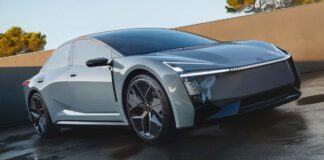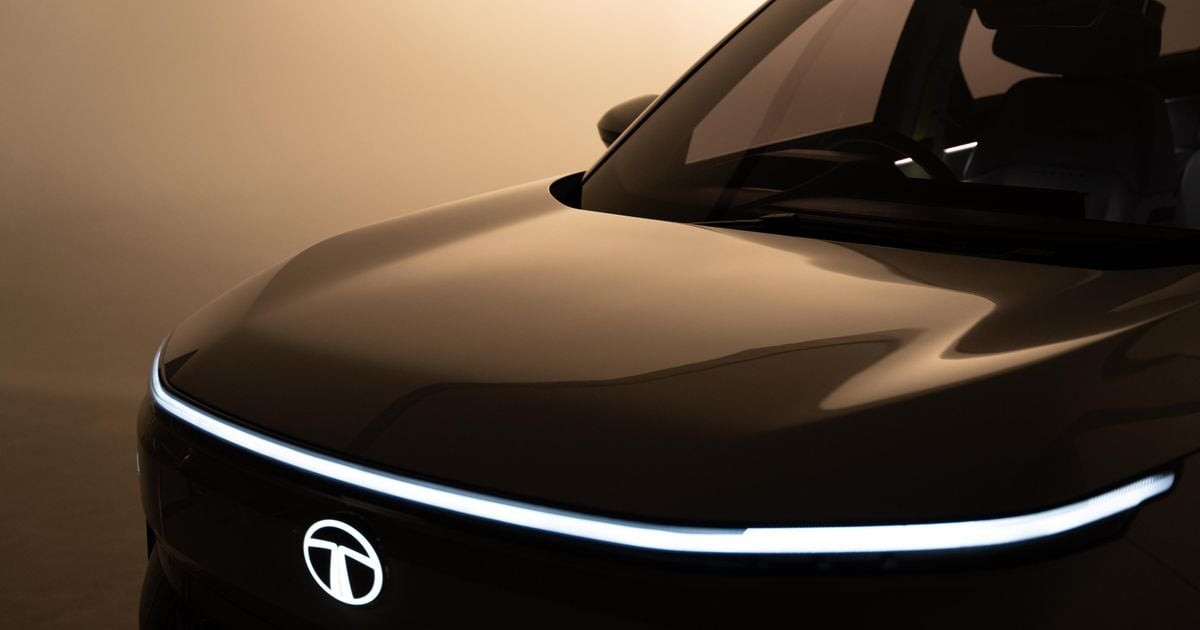
The Indian automotive giant Tata may be planning a comeback to Australia. After two previous attempts to establish a foothold in the local market ended in withdrawal, recent regulatory filings suggest the manufacturer is once again laying the groundwork for a potential return.
The Paper Trail: New Trademarks Detected
Evidence of this potential move comes from IP Australia, where Tata has recently filed trademarks for two new names: ‘Styzor’ and ‘Ladaq’.
While global trademark filings do not always guarantee a product launch, several factors make this specific move noteworthy:
– Specific Classification: The filings were submitted under Class 12, which specifically designates vehicle model names.
– Timing: The ‘Styzor’ name was originally trademarked internationally in early 2022, suggesting these are part of a broader global rollout.
– Historical Context: This is the first time Tata has registered a model name in Australia since August 2013.
A History of Mixed Results
Tata’s relationship with the Australian market has been characterized by two distinct periods of presence, both of which ultimately failed to gain lasting traction:
1. 1996–2005: An initial decade-long attempt that ended with the brand quietly exiting the market.
2. 2013–2019: A second attempt managed by Fusion Automotive (owned by the Walkinshaw Group), which primarily focused on the Xenon ute before closing its doors for a second time.
Why Now? The Shifting Automotive Landscape
The timing of a potential return aligns with several significant shifts in the Australian automotive sector. The “barrier to entry” for non-traditional brands has lowered significantly, evidenced by the rapid rise of Chinese manufacturers and the growing presence of Indian rivals like Mahindra, as well as Indian-made vehicles from Suzuki.
There are also logistical advantages to consider:
* Right-Hand Drive (RHD) Compatibility: Much like Japan and the UK, India is one of the few major automotive manufacturing hubs that produces right-hand drive vehicles. This makes the transition to Australian roads much simpler and more cost-effective than for many other global manufacturers.
* Diversified Lineup: Tata currently offers a robust range of approximately nine passenger vehicles in India, spanning small cars to family SUVs, with a mix of petrol, diesel, and electric powertrains.
The Global Powerhouse Behind the Name
While many Australian consumers may only associate Tata with older utility vehicles, the parent company is a massive global entity. Most notably, Tata owns Jaguar Land Rover, giving them significant experience in navigating high-end, regulated international markets.
If Tata can successfully navigate Australia’s strict design and safety regulations, they will be entering a market that is increasingly open to diverse, value-driven international brands.
Conclusion
While no official launch date has been announced, Tata’s recent trademark filings signal a strategic interest in Australia. If the company can leverage its right-hand drive manufacturing capabilities and a modernized vehicle lineup, a third attempt could prove more successful than the last.