In recent automotive showcases and press briefings, a new term has begun to dominate the conversation: the “Software-Defined Vehicle” (SDV). Yet, when pushed for a precise definition, even the engineers and executives responsible for these machines often respond with ambiguity.
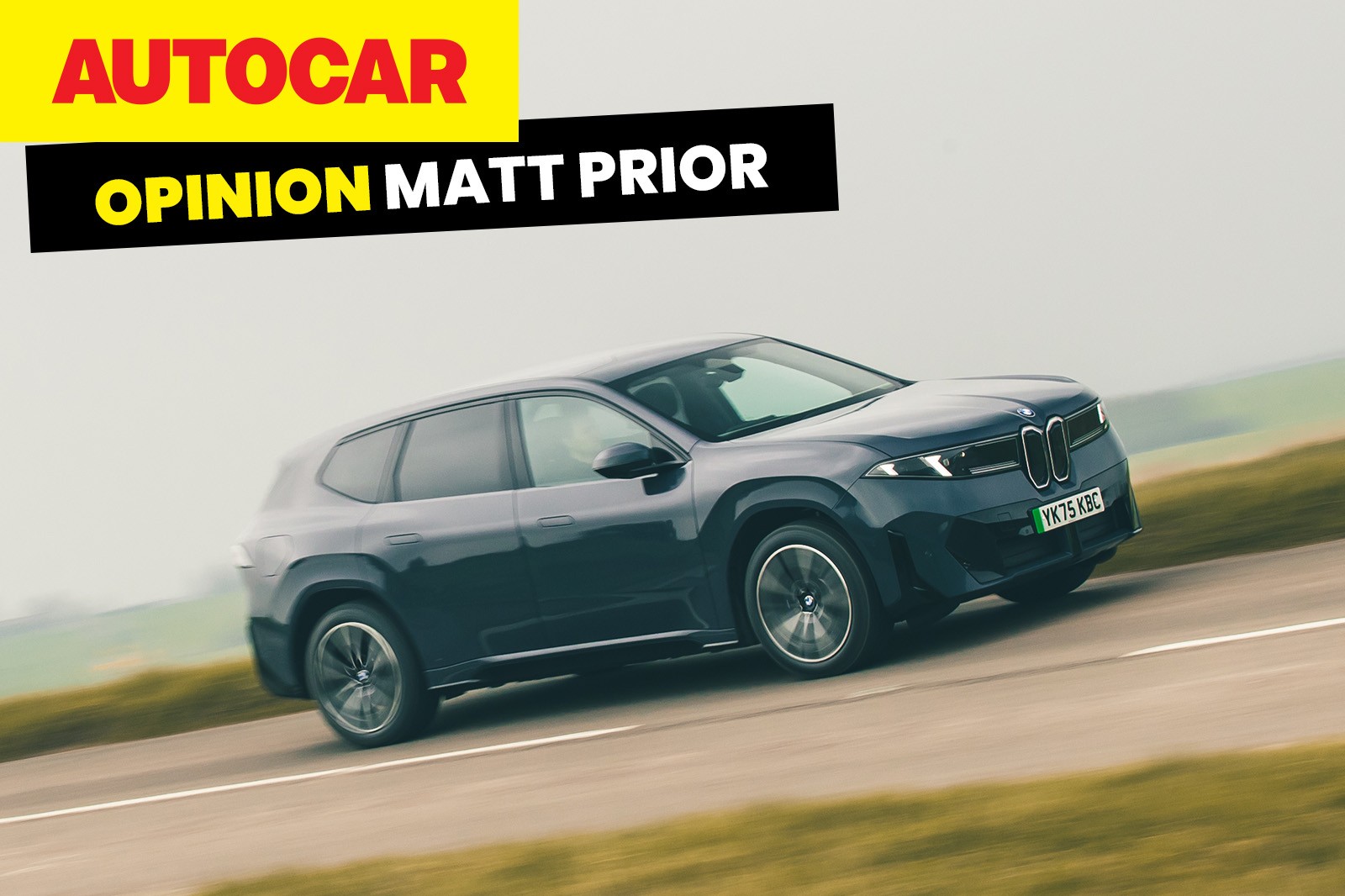
While the term is being used aggressively by major players—such as BMW with its upcoming Neue Klasse electric vehicles—there remains a significant gap between the marketing hype and a tangible, technical reality.
Defining the Concept
At its core, the industry definition of a software-defined vehicle suggests a fundamental shift in how cars are built. According to industry executives, the concept represents a “paradigm shift” where:
- Hardware is decoupled from functionality: Core features are no longer strictly “hardwired” into physical components.
- Continuous Innovation: Instead of a car being “finished” the moment it leaves the factory, its capabilities can be enhanced via over-the-air (OTA) updates.
- Lifecycle Management: New services and features can be deployed throughout the vehicle’s entire lifespan, much like a smartphone receives new operating system features.
The Reality of Software in Modern Driving
To understand why this term feels so vague, it is helpful to look at how software already permeates the automotive experience. We can categorize this influence into two distinct areas:
1. Vehicle Dynamics and the Driving Experience
Almost every modern vehicle uses software to mediate the relationship between the driver and the machine. Even in highly mechanical cars, software dictates throttle response to balance performance with emissions compliance.
In more advanced models, we see the rise of “by-wire” technology. When a car utilizes electronic throttle, braking, or steering, the driver is no longer interacting directly with mechanical linkages. Instead, the driver provides an input that software interprets, which then commands the hardware to act. Under this logic, nearly every modern car could arguably be called “software-defined.”
2. Non-Driving Systems
Beyond the mechanics of movement, software controls almost every secondary system in a vehicle. From climate control to infotainment and even basic cabin functions like fan blowers, code dictates how these components behave. While these systems are “software-controlled,” they are rarely described as “software-defined” because they do not represent a shift in the vehicle’s fundamental architecture.
Why the Distinction Matters
The confusion stems from the difference between software-controlled and software-defined.
A “software-controlled” car uses code to manage existing hardware. A “software-defined” vehicle, theoretically, is one where the hardware is a flexible platform, and the value of the car is derived from the software running on top of it.
The skepticism from design agencies and engineers arises because the “added value” remains murky. If a car is truly software-defined, the hardware should be secondary to the digital experience. However, for many consumers and experts, the industry has yet to prove that this shift offers anything more than a more sophisticated way to sell subscriptions and digital upgrades.
The central question remains: Is the software-defined vehicle a genuine leap in automotive engineering, or is it simply a way to rebrand the increasing complexity of digital systems?
Conclusion
While the industry moves toward a future where software dictates a vehicle’s capabilities, the term “software-defined” currently sits in a gray area between technical evolution and marketing jargon. Until the industry can clearly demonstrate how this shift fundamentally changes the user experience beyond mere updates, it remains a concept in search of a definition.