The automotive world has long sought ways to reduce its environmental footprint, and one of the most surprising solutions is emerging from an unlikely source: used cooking oil.
Years ago, the idea of putting filtered frying fat directly into diesel engines sparked alarm among manufacturers due to potential mechanical damage. Today, that narrative has shifted dramatically. While biodiesel blends like B7 (containing up to 7% biodiesel) are now standard and safe for modern engines, the innovation has moved beyond fuel. Major tyre manufacturers are now integrating waste cooking oil into the very structure of new tyres, marking a significant step toward a circular economy in the automotive supply chain.
From Kitchen Waste to Synthetic Rubber
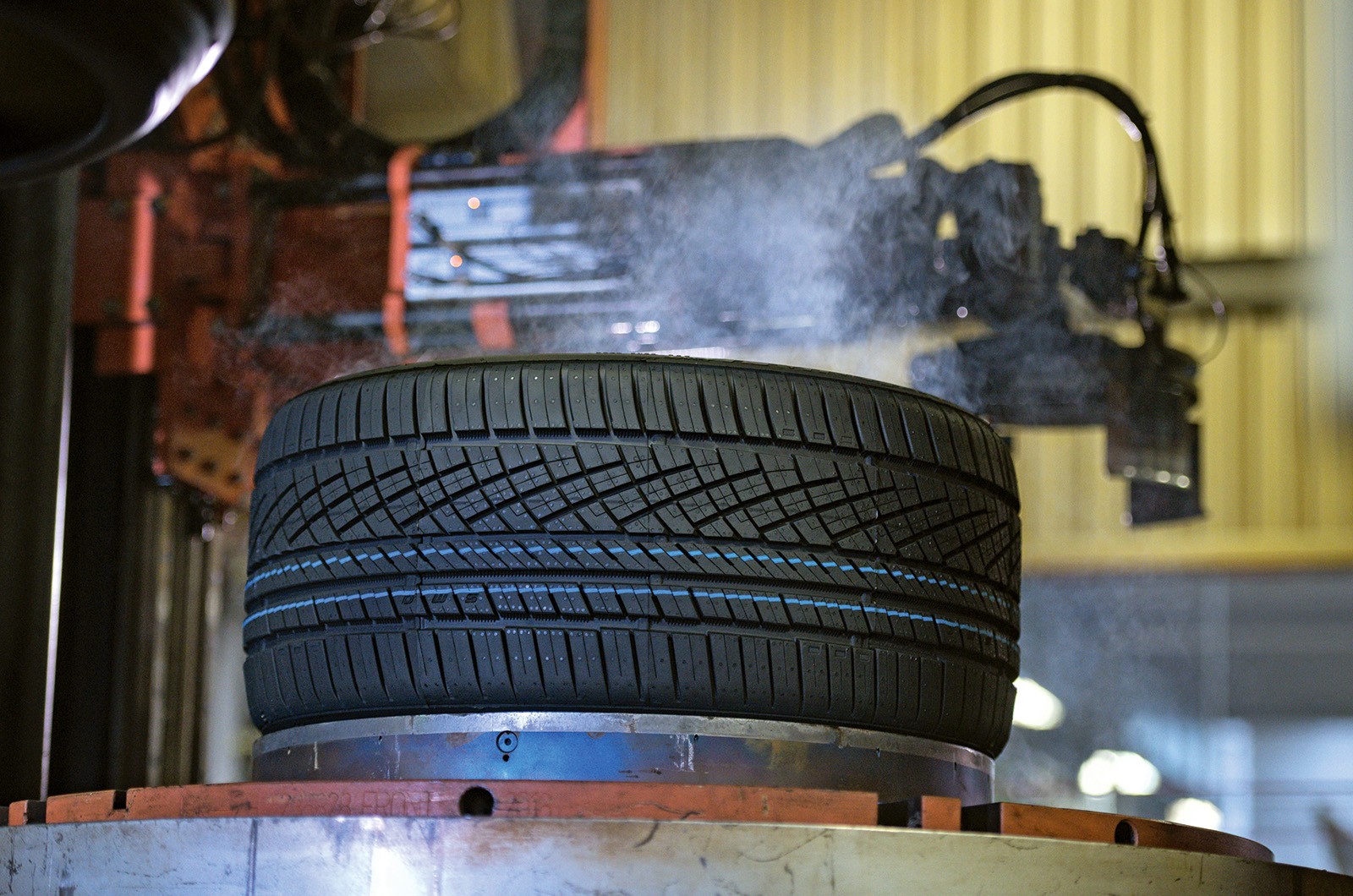
The tyre industry is undergoing a quiet revolution in material science. Companies like Continental are leading the charge by using cooking oil as a primary raw material for synthetic rubber. This move is not just about recycling; it is a strategic effort to decouple tyre production from virgin fossil fuels.
To understand the scale of this shift, consider the composition of a modern tyre. A single tyre contains roughly 100 different raw materials, including steel, textiles, carbon black, and silica. Rubber alone accounts for up to 40% of a tyre’s weight. By substituting traditional petroleum-based ingredients with recycled alternatives, manufacturers can significantly lower the carbon intensity of each unit produced.
The Science Behind the Switch
The integration of waste oil is particularly impactful in the production of synthetic rubber, which is used in tyre sidewalls and blended into treads to enhance braking performance and reduce rolling resistance.
Here is why this matters for performance and sustainability:
- Natural Rubber vs. Synthetic Rubber: Natural rubber, derived from latex, is prized for its durability. It possesses a unique property called strain-induced crystallisation, where molecular chains align into crystal-like structures when stretched, providing impact resistance. This natural phenomenon cannot yet be perfectly replicated artificially.
- The Role of Synthetic Rubber: To complement natural rubber, manufacturers use synthetic variants to improve fuel efficiency (by lowering rolling resistance) and safety (by improving grip).
- The New Formula: Continental and other producers are now creating these synthetic rubbers using pyrolysis oil (derived from breaking down end-of-life tyres) and bio-based feedstocks, including used cooking oil.
Beyond the Rubber: A Holistic Circular Approach
The use of waste oil extends beyond the rubber compound itself. The manufacturing process also relies on various additives to protect rubber during vulcanisation—the chemical process that transforms soft rubber into durable, resilient material.
Some of these protective additives are now being produced using biocircular acetone. This solvent, commonly known for its use in nail polish removers and paint thinners, is increasingly being manufactured from biological waste streams, including used cooking oil. This creates a closed-loop system where waste products from one industry (food service) become essential inputs for another (automotive manufacturing).
Why This Trend Matters
The shift toward bio-based tyre components addresses two critical challenges in the modern automotive landscape:
- Resource Scarcity and Volatility: By relying on waste streams rather than virgin petrochemicals, manufacturers reduce their exposure to fluctuating oil prices and supply chain disruptions.
- Environmental Regulations: As governments worldwide tighten emissions standards, the carbon footprint of vehicle components—including tyres—comes under scrutiny. Using recycled materials helps automakers meet stricter sustainability targets without compromising performance.
Key Insight: The integration of used cooking oil into tyre production demonstrates that waste is not an endpoint, but a resource. It transforms a common household and industrial byproduct into a high-performance material that drives vehicles forward while reducing environmental harm.
Conclusion
The journey of used cooking oil from the fryer to the tyre represents a sophisticated evolution in industrial recycling. By leveraging advanced chemistry to turn waste into high-performance synthetic rubber, the tyre industry is not only reducing its reliance on fossil fuels but also setting a new standard for sustainable manufacturing. As technology advances, we can expect to see even greater integration of bio-based materials, making every mile driven a step toward a greener future.