While new vehicle sales across the United States have dipped for the eighth consecutive year, one segment is defying the trend: hybrid cars. As consumers grapple with rising fuel costs and remain hesitant to fully commit to battery-electric vehicles (EVs), hybrids have emerged as the pragmatic bridge between traditional gasoline engines and future mobility.
Data from the National Automobile Dealers Association (NADA) reveals a significant shift in consumer behavior. In April, hybrid sales jumped 9.2 percent, marking the only growth segment in a shrinking market. Hybrids now represent 14.5 percent of all new vehicle sales, a substantial increase from the previous year. This trend highlights a clear preference for efficiency without the range anxiety or charging infrastructure concerns often associated with full EVs.
The EV Slowdown vs. Hybrid Growth
The contrast between hybrid and electric vehicle performance is stark. While hybrids are gaining ground, the broader EV market has faced headwinds. Year-to-date, EV sales have plummeted by 35.5 percent, with their total market share shrinking to just 5.1 percent.
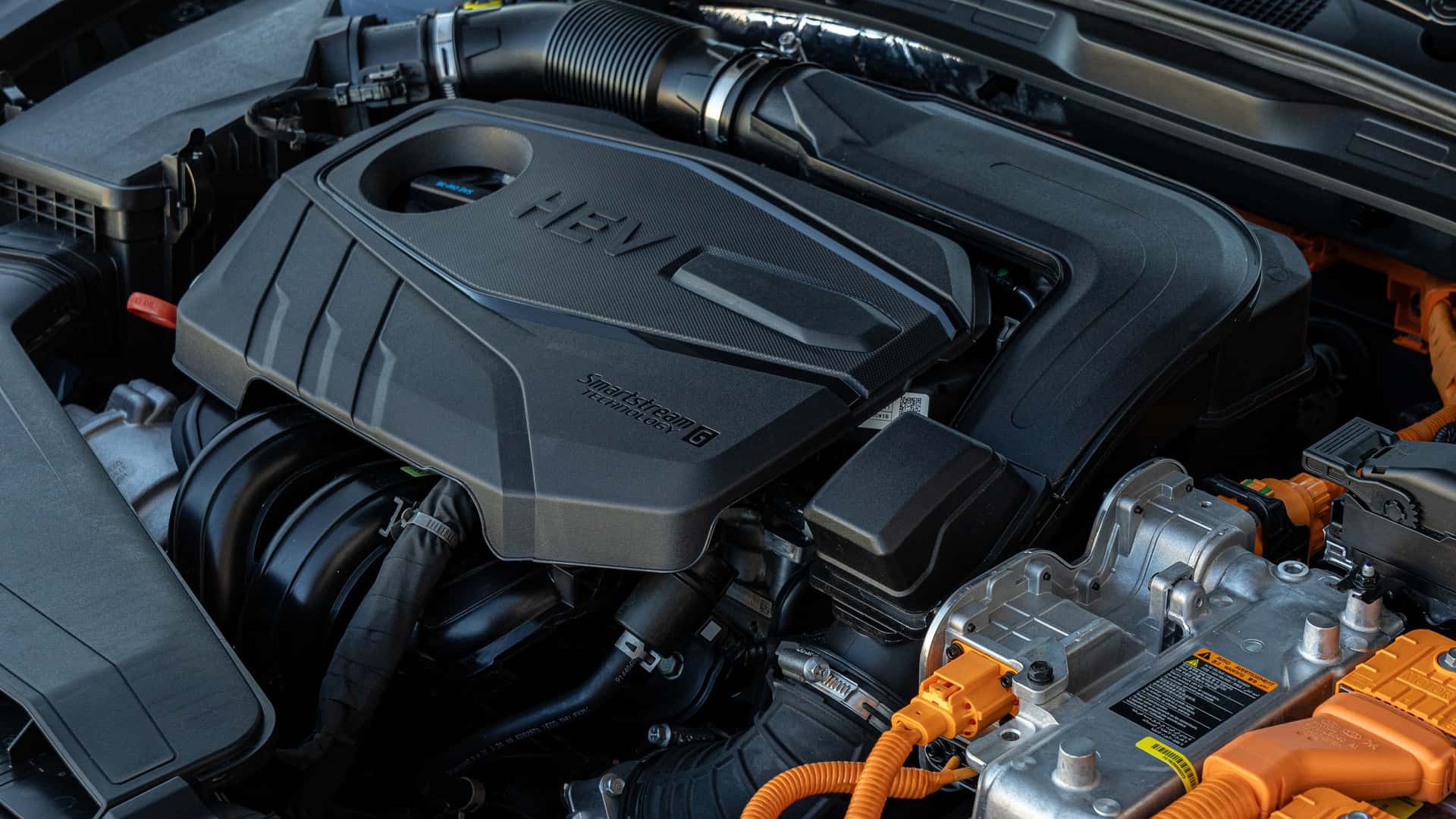
This divergence suggests that many American drivers are seeking a middle path. They want better fuel economy than traditional internal combustion engines offer but are not yet ready—or able—to adopt fully electric technology. Hybrids provide this compromise by pairing a gasoline engine with a small battery pack, delivering excellent efficiency (with some models achieving up to 57 mpg combined) while eliminating the need for external charging.
Korean Automakers Lead the Charge
Hyundai and Kia have capitalized on this shift, posting major gains in the hybrid segment. Together, these two brands moved more than 40,000 hybrid models in April, with hybrids constituting 30 percent of their total monthly sales. Several specific models drove this success:
- Hyundai Sonata Hybrid: Sales skyrocketed by 170 percent to 4,520 units, marking the sedan’s best sales month ever.
- Kia Sportage Hybrid: This SUV saw a 65.2 percent increase, selling 7,446 units.
- Hyundai Elantra Hybrid: Sales rose by 55.3 percent to 2,399 units.
These figures indicate that consumers are increasingly looking to mainstream brands for affordable, efficient options rather than waiting for premium or niche offerings.
Toyota and Lexus: A Steady Electrification Strategy
Meanwhile, Toyota continues to dominate the broader electrified vehicle space. In March, electrified vehicles (including hybrids, plug-in hybrids, and EVs) accounted for more than half of Toyota’s total US sales, totaling 287,276 units.
Luxury brand Lexus also reported strong performance in its hybrid lineup:
* Lexus NX Plug-In Hybrid: Sold 3,229 units.
* Lexus LX Hybrid: Sold 832 units.
While these absolute numbers may seem modest compared to mass-market models, they represent significant year-over-year growth, signaling that the demand for efficient luxury vehicles is also on the rise.
Why This Matters
The surge in hybrid sales is not just a statistical anomaly; it reflects a broader economic reality. With gas prices climbing, consumers are prioritizing fuel efficiency as a way to manage household budgets. Hybrids offer an immediate solution without requiring changes to driving habits or home infrastructure.
The Takeaway: As long as fuel costs remain volatile and charging infrastructure evolves slowly, hybrids will likely remain the preferred choice for many American drivers seeking a balance between cost, convenience, and efficiency.