Adventure bikes cost way too much now. You can easily drop $15,000 or $20,000 on one. That is before you even buy a bag to hold your keys. Or a windshield. Or the first gallon of gas.
Price doesn’t mean fun. Expensive gear on paper rarely equals joy on gravel. Sometimes the best bikes are the ones that just work. Without making you sell your kidney first.
The Middleweight Sweet Spot
The segment went two ways a decade ago. Heavy flagships became tech showcases. Lightweight dual sports stayed for trail purists. Then the middle arrived. It is the default now. Because riders actually want to do both things. Not one extreme mission. But the commute and the vacation.
This class asks less of you. You aren’t fighting weight on a corner. You aren’t begging for power on a pass. The bike adapts. You ride it to work Monday. You ride it into the woods Saturday. That flexibility brings in rookies and vets alike.
Balance Beats Bully
Bikes between 700 and 900 cc hit the right notes. They cruise all day. They aren’t terrifying on loose surface. Insurance is cheaper. Gas mileage is better. It’s an easier sell when the newness fades.
They don’t demand professional off-road skill. You don’t need to wrestle six hundred pounds every time the asphalt ends. They make exploration approachable. Confidence matters more than parking lot status. Does it? Probably.
Features That Don’t Generate Headlines
Premium bikes have radar cruise control. Menus that confuse you. Horsepower numbers that sound scary. Nice on spec sheets. Irrelevant when you are actually riding.
Riders prefer the boring stuff. Predictable throttle. Suspension that doesn’t punish you. Comfortable arms. Controls you can use blindfolded. Reliability wins when you are miles from civilization. A chassis you trust inspires more miles than flashy buttons ever could. Execution matters. More than excess.
Enter The Honda XL750 Transalp
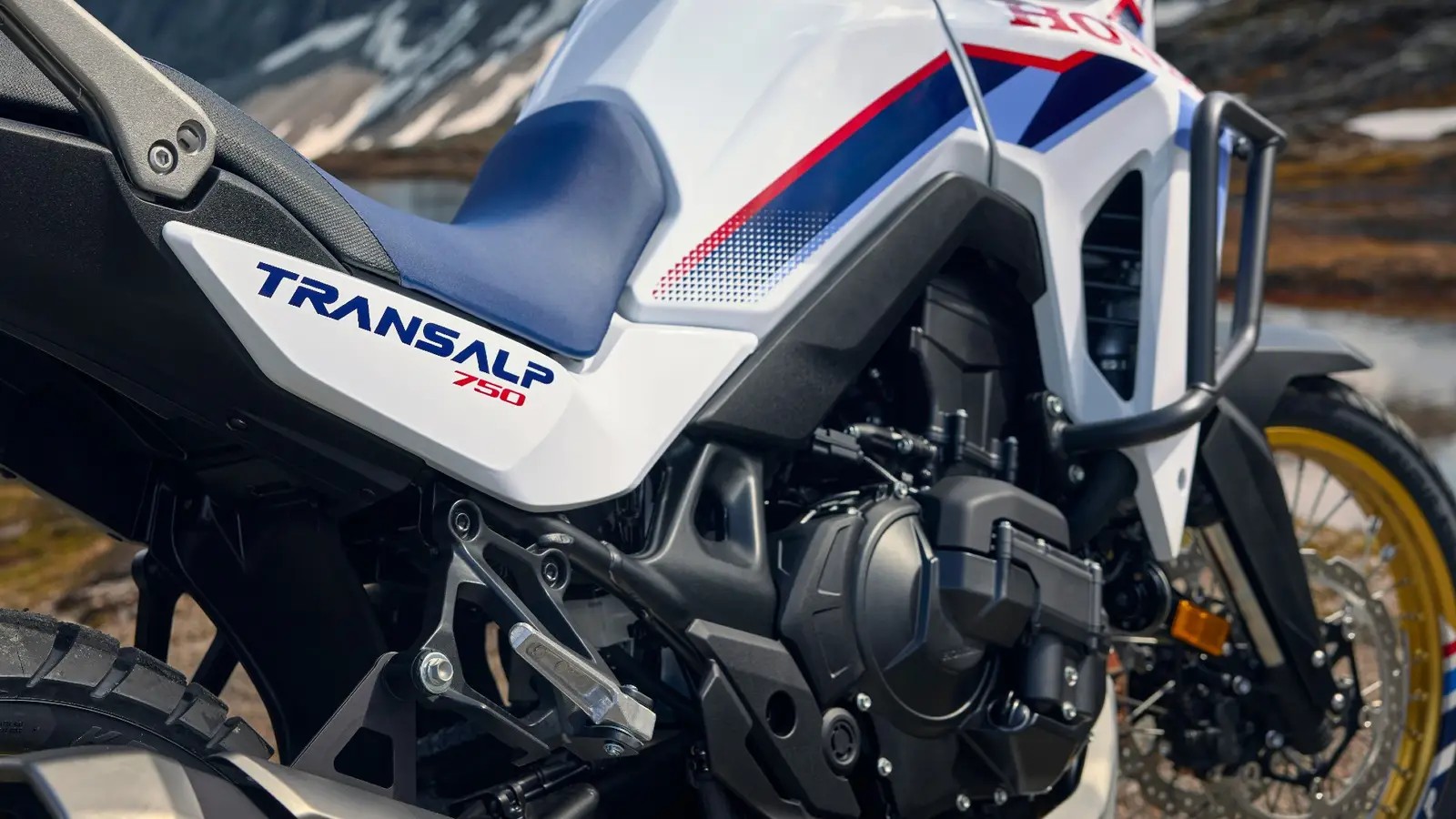
Here is where Honda smiles quietly. The XL750 Transalp doesn’t dominate one thing. It does nearly everything well. The price is $10,199. Undercutting rivals that demand more cash for less ease of use.
It has a 755cc parallel-twin engine. Liquid-cooled. Unicam head design. 90.5 hp at 9,500 rpms. 55 lb-ft of torque at 7,225. A six-speed gearbox. And for 2026? Honda’s E-Clutch. You can still use a clutch. But it helps start and stop. Less fatigue. No loss of involvement.
The frame is steel. Light. Balanced. Showa suspension handles the front – 43mm inverted fork, nearly 8 inches of travel. Rear shock gives 7.5 inches. Wheels are 21 and 18. Ground clearance sits at 8.3 inches. It looks the part. The weight? Wet comes in at 463 pounds. Manageable.
Comfort That Actually Works
The riding position feels natural. Upright. Bar reach is fine. Seat height is 33.7 inches. Your knees meet the tank without a fight. Whether commuting or peg-standing. The fuel tank holds 4.5 gallons. Enough range so you aren’t hunting pumps constantly.
Tech exists without annoying you. Five-inch TFT screen. Honda RoadSync for phone pairing. Calls, maps, music. Simple. Five riding modes: Sport, Standard, Rain, Gravels, User. HSTC with wheelie control. Dual-channel ABS. Emergency brake signals. Safety features that stay out of the way until needed.
Reliability Pays Rent
Spec sheets lie about value. Honda has decades of not breaking things. The Transalp follows tradition. Service intervals make sense. Parts are easy to find. Costs stay reasonable. This doesn’t get YouTube views. It keeps your bike in the garage. Longer.
Execution beats excess, especially over years.
It’s Not About Being The Best
It won’t out-Tenere a Yamaha on a technical ridge. It won’t beat a GS at luxury tourism. It doesn’t try to.
Honda built a tool for most situations. Carry a passenger? Fine. Hit a gravel road? No problem. Switch roles mid-week? Easy. Some bikes are faster here. Some are more comfortable there. Few jump between them with so little friction. Versatility isn’t a compromise. It is the point.
The Transalp punches above its weight. It skips the horsepower arms race. No buzzword marketing. Just components doing jobs. In a market inflating prices. The smartest choice isn’t the priciest tag.
It might just be the one that makes you go again. Tomorrow. And next month. After the new paint wears off.
Why rush to upgrade? When the ride never ends? 🏍️