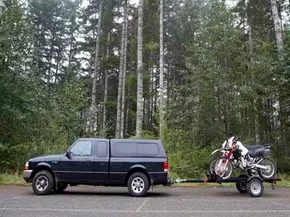
You can’t tow much without wheels. Sure, you could drag a bare steel frame behind your truck, but you wouldn’t exactly trust it with your boat. Trailers are basically oversized cargo holds on rollers, and those rollers rely on one specific component to keep things moving: the trailer wheel hub.
This isn’t just decorative metal. The hub assembly connects your tires to the axle. It facilitates the spin. If that assembly corrodes or gets installed wrong, you lose alignment. That means uneven tire wear, stress on the axle, and potentially serious damage to your tow vehicle and whatever you’re hauling. Imagine towing your dinghy to the lake, only to have a hub fail on the highway. That fist-sized cluster of hardware is the difference between a weekend on the water and a roadside breakdown.
Routine maintenance isn’t optional. It’s imperative.
How often should you inspect trailer wheel hubs?
Timing depends on your setup. Most experts suggest pulling the hubs and inspecting or replacing parts at least once a year. If you measure by mileage, aim for every 10,000 miles.
But size matters. Smaller wheels rotate faster. More rotations mean more wear. If you’re running a trailer with small-diameter wheels, check the hubs every 2,000 miles. It’s a simple math problem: more revolutions equal more friction.
Fiddling with hubs sounds intimidating. It isn’t. A little knowledge extends the life of your trailer. Before you worry about greasing or bearing replacement, you need to know what you’re taking apart.
What’s inside a trailer wheel hub assembly?
To maintain it, you have to understand it. The assembly isn’t a single solid piece. It’s a collection of working parts designed to handle heat, weight, and rotation.
The hub is the anchor. Everything else spins around it or is held by it.
We’ll break down the components in the next section. For now, just remember: if the hub fails, the trailer stops rolling. And you don’t want to be the person explaining to your friends why the boat is stuck on the side of I-95.
Who really wants that conversation?
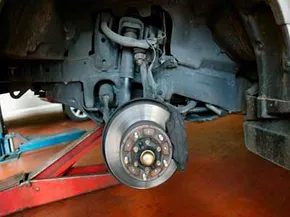
Why the Hub Assembly Is More Than Just a Metal Ring
Think of the wheel hub as the structural glue. It sits right in the middle, clamping the tire to the axle. Without it, the wheel has no business being on the vehicle. You bolt the tire down with studs, and that whole assembly slides onto the axle shaft. That connection is the only thing keeping the spinning mass attached to the frame.
Break one part of that link, and the whole system unravels. Steering goes wonky. The axle might snap. It is a single point of failure that carries the weight of the ride.
Inside the Donut: Bearings, Nuts, and Pins
The hub itself isn’t a standalone component. It is a housing. A metal donut, really. It slides onto the axle and needs help to function.
On either side of that hub sit the bearings. Inner and outer. They are cylindrical rings packed tight with grease. Their only job is to keep friction low while the tire spins. No grease means heat. Heat means failure.
Holding all this mess together is the castle nut. It sits right at the center of the axle, locking the hub and bearings in place. It doesn’t have a smooth edge. It has slots. Why? So you can slide a cotter pin through it. That sticklike piece of metal prevents the nut from loosening under vibration. It is a simple mechanical lock. It works every time.
Keeping the Gunk Out with a Grease Cap
Bearings need grease. They hate dirt. They hate water even more.
Contaminants get in there, they grind the metal. Friction spikes. The hub overheats. To stop that, you slap a grease cap (or dust cap ) over the outside of the hub. It seals the deal. Keeps the fresh grease inside. Keeps the mud and moisture out. It is the last line of defense for the bearing surface.
So you have the parts. You know how they fit. Now you have to take them apart.
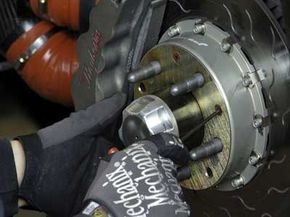
How to Select the Right Trailer Hub and Install It
Swapping a trailer wheel hub isn’t a job that demands a pro mechanic. You can handle it yourself. Just keep your hands on the parts. Losing a washer in the grass is annoying, so stay organized. A basic toolbox works. Grab a hammer, pliers, and wrenches. You’ll also need fresh bearing grease. If you’re doing maintenance instead of a full swap, bring solvent to strip the old, gunked-up grease from the bearings.
Choosing the Correct Trailer Hub Assembly
Hubs aren’t universal. They don’t fit every trailer. Dimensions change based on wheel size and bearing load. Buying the wrong one is a waste of time and money. You need to nail down the specs before you spend cash.
Check the stud count first. Most hubs have four or five holes around the rim. Those slots accept the studs that connect the wheel to the hub. Count them.
Next, measure the bolt hole pattern. This is the distance from the center of the large axle nut hole to the center of a stud hole, divided by two. Most hubs fall between 4 and 6 inches (10 to 15 cm). They usually come in half-inch increments. Get this wrong, and the wheel won’t line up.
Know your bearing sizes. You don’t need a caliper for this. The inner and outer bearings have reference numbers stamped on them. Those codes tell you the diameter. Check a dealer chart or look it up online. It’s easier than guessing.
Proper Trailer Hub Installation Tips
You have the right part. Now install it without causing trouble later. Start with grease. Put a thin coat inside the hub before sliding it onto the axle. Not a thick layer. Just enough to help it slip on. Too much grease creates heat and mess.
Tighten the castle nut carefully. Don’t overtighten. This is a common mistake. If you adjust it correctly, the hub should have very little play. About 0.25 inches (0.6 cm) of movement is acceptable after the tire is on. More than that means it’s loose. Less might mean it’s too tight.
Next, we look at trailer wheel hub kits. These bundles include the entire assembly. If you are replacing a hub, these kits simplify the process significantly.
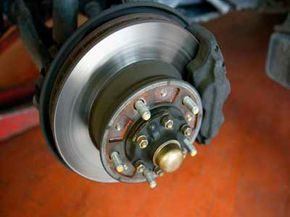
Why pre-assembled hub kits still need manual checks
Buying a full trailer wheel hub kit saves the headache of sourcing individual components. Most bundles include the bearings, seals, grease cap, cotter pin, and all necessary fasteners. Some even come with the bearings pre-packed and sealed.
Convenient? Yes. Maintenance-free? Absolutely not.
A pre-greased assembly does not mean the grease lasts forever. You still need to inspect the hub at least once a year for corrosion, cracks, or structural damage. Ignoring this invites premature failure.
“Pre-greased” is a marketing term, not a warranty against decay.
Enter the Bearing Buddy. It looks like a standard grease cap but functions differently. It features a zerk fitting that allows you to inject fresh grease directly into the bearing cavity using a grease gun. This bypasses the tedious process of hand-packing the bearings.
There is a catch. Unless your hub has a specific design that allows old grease to purge without disassembly, you cannot just pump and go. You must still remove the hub from the axle to clean out the degraded lubricant. The Buddy makes re-greasing easier, but it doesn’t eliminate the need for periodic deep cleaning.
Do you actually need a full replacement kit?
Not necessarily. If your trailer wheel hub assembly is failing, it might just be one component. Bearings and grease seals are the usual suspects. They wear out faster than the hub or spindle.
You can buy these parts individually. No need to replace the entire kit if the rest of the assembly is solid.
To buy the right parts, you need the same specs identified in the previous section. Wheel size, bolt pattern, and hub bore diameter matter. Get those wrong, and the parts won’t fit. Get them right, and you can swap just the damaged piece.
Tow safe and check your mirrors
With the hubs installed and tires seated, you are ready to move. But the mechanical work is only half the battle. Towing requires a different set of skills than driving a standalone vehicle.
- Adjust your mirrors for a wider field of view.
- Understand how trailer weight affects braking distance.
- Learn how turning radius changes with a towed load.
- Know when to shift gears to maintain control.
The physics change. The center of gravity shifts. Your reaction time needs to adjust accordingly.
For deeper dives into these mechanics, look into resources on towing safety, braking dynamics, and green towing practices. Manuals from suppliers like e-trailer or Tie Down Engineering offer specific technical guides for bearing service and hub maintenance.
The road is open. Keep your eyes on the mirrors and your hands on the wheel.