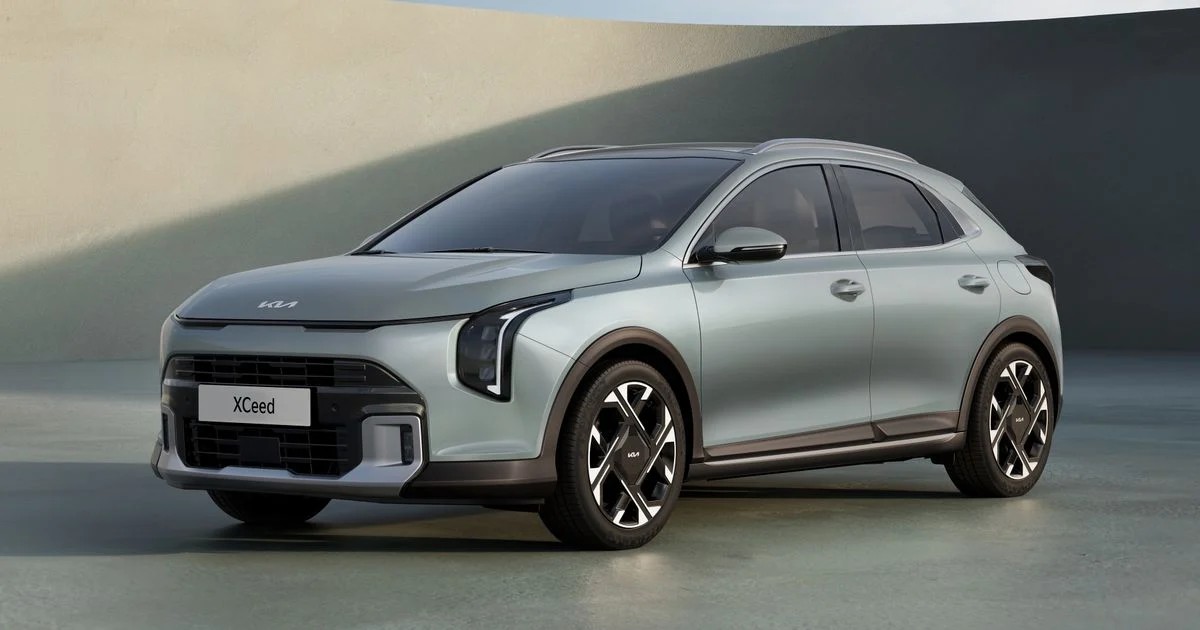
Kia is doubling down on its electric vehicle (EV) ambitions, but it is not abandoning internal combustion engines (ICE) just yet. In a move that defies rumors of discontinuation, the Korean automaker has given the Kia XCeed —a compact crossover popular in Europe—a substantial second facelift.
This update signals a strategic pivot: rather than letting older petrol models fade into obscurity, Kia is modernizing them to coexist with its growing EV lineup. By refreshing the XCeed, Kia aims to maintain a strong presence in the competitive European C-segment while balancing its transition toward electrification.
A Visual and Tech Overhaul
The updated XCeed is no longer just a quick cosmetic tweak. The changes are significant enough to align the aging model with Kia’s newer designs, such as the all-electric EV3.
Exterior Updates:
* Design Language: The vehicle now incorporates Kia’s “Opposites United” design philosophy.
* Lighting: New vertically oriented headlights and C-shaped tail-lights connected by a light bar give the car a sharper, more modern look.
* Trim: New wheel designs and exterior finishes complete the refresh.
Interior and Tech Upgrades:
* Dual Screens: The outdated single-screen setup is gone. The new dashboard features dual 12.3-inch displays for both infotainment and instrument cluster information, replacing the previous 10.25-inch touchscreen and smaller digital gauge options.
* Convenience: Buyers get access to Digital Key 2.0, allowing smartphone-based unlocking and starting.
* Comfort: Kia claims improvements in ride comfort, addressing one of the common critiques of compact crossovers.
Why This Matters: The Strategy Behind the Update
The decision to update the XCeed raises an important question: Why invest in a petrol car when the future is electric?
The answer lies in market reality. While EV adoption is accelerating, particularly in Europe, a significant portion of consumers still rely on or prefer combustion engines. Kia’s strategy is not an “either/or” but a “both/and” approach.
- Market Coverage: The XCeed fills a specific niche in Europe that isn’t fully covered by the EV3 or the incoming Seltos. By keeping the XCeed relevant, Kia ensures it doesn’t lose market share to competitors who are also maintaining hybrid and petrol options.
- Platform Efficiency: The XCeed is built alongside other models like the Sportage, EV2, and EV4 at Kia’s plant in Žilina, Slovakia. Modernizing the production lines allows for greater flexibility, enabling the plant to produce both EVs and ICE vehicles efficiently.
- Consumer Choice: Not every customer is ready for an EV due to charging infrastructure concerns or price sensitivity. The XCeed offers a familiar, reliable option with modern tech, bridging the gap for hesitant buyers.
Powertrain Options and Production
The facelifted XCeed will continue to offer petrol and mild-hybrid powertrains. While specific details for the new lineup are still emerging, the current model offers:
- 1.0-litre three-cylinder turbo-petrol: 85kW, available with a six-speed manual or a seven-speed dual-clutch automatic (paired with a 48V mild-hybrid system).
- 1.6-litre four-cylinder turbo-petrol: Available in 110kW or 132kW tunes, both with a seven-speed dual-clutch automatic.
Production for the updated XCeed begins later this month in Slovakia. It is worth noting that the XCeed remains a Europe-focused model (also sold in Israel) and is not available in major markets like the US, Australia, or Korea, where Kia offers alternative models like the Cerato or Seltos.
The Bigger Picture: Kia’s 2030 Goals
Kia’s approach to the XCeed fits into its broader global strategy. The company is not abandoning petrol cars entirely; instead, it is carefully managing the mix.
- By 2030, Kia plans to launch:
- 9 new combustion-powered vehicles
- 13 hybrid models (including plug-in hybrids and extended-range EVs)
- 1 million annual EV sales
In Europe specifically, Kia aims for EVs to make up 66% of its total sales by 2030 —a figure that exceeds the projected market average by 23 percentage points. However, this aggressive EV target coexists with a continued commitment to hybrids and petrol cars, ensuring a “broad and flexible powertrain mix” as CEO Soohang Chang describes it.
Key Takeaway: Kia is proving that the transition to electric vehicles is not an overnight switch. By updating the XCeed, the company is acknowledging that while the future is electric, the present still runs on petrol—and there is still value in making that experience modern, comfortable, and connected.
In summary, Kia’s update to the XCeed demonstrates a pragmatic approach to the EV transition. Rather than forcing a rapid shift that might alienate customers, Kia is enhancing its existing petrol offerings to remain competitive while steadily building its electric portfolio. This strategy ensures that consumers have choices, regardless of their readiness to go fully electric.