Stellantis is fundamentally reshaping the future of its European brands, and Opel is leading the charge with a controversial but strategic pivot. The automaker has confirmed it will slash 650 engineering jobs in Germany by the end of 2027, effectively ending an era where Opel was a major independent hub for vehicle development.
In exchange for these cuts, Opel will become the first Stellantis brand to launch a model based on hardware from Chinese electric vehicle (EV) maker Leapmotor. This partnership marks a significant shift in strategy: rather than building cars from scratch, Opel will increasingly rely on external platforms, focusing its remaining internal talent on software, design, and specialized technologies.
The Leapmotor Partnership in Action
The immediate result of this alliance is the production of the Leapmotor B10 at Stellantis’s factory in Zaragoza, Spain. Production could begin as early as this year, making the B10 the first Leapmotor vehicle manufactured in Europe.
This move is not just about product expansion; it is a tactical maneuver against trade barriers. By manufacturing the B10 in Spain, the vehicle avoids the steep EU tariffs on Chinese-made EVs, which can reach up to 35.4%. This allows Stellantis to offer a competitively priced electric vehicle while sidestepping the financial penalties imposed on imports from China.
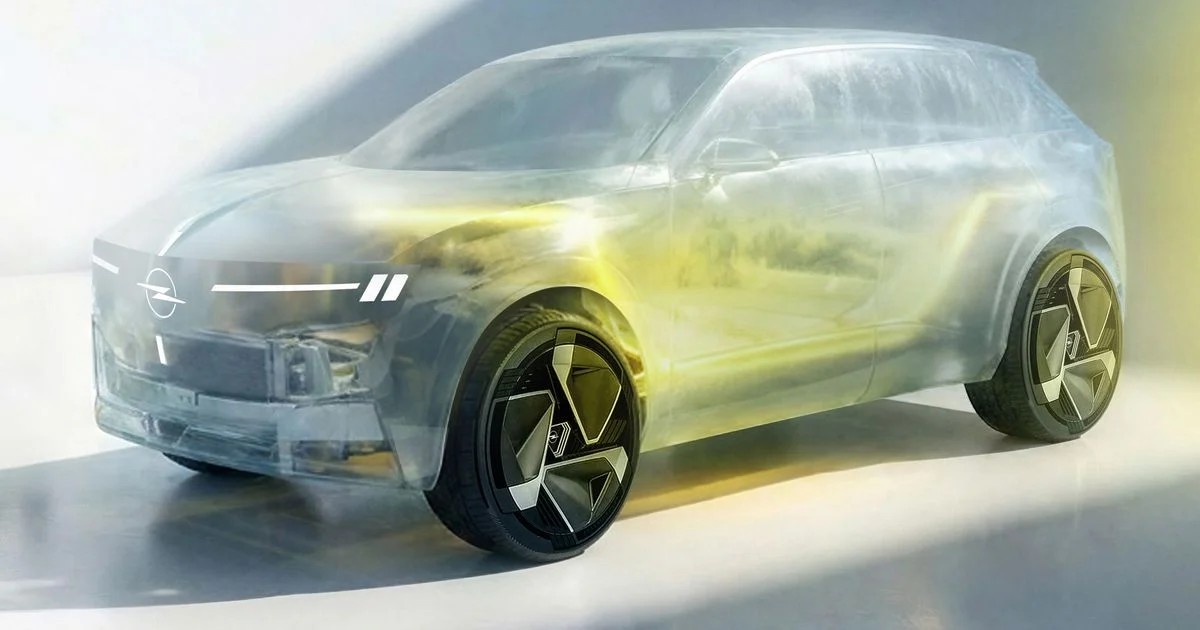
The collaboration extends beyond the B10. Opel and Leapmotor are co-developing an electric SUV specifically for the European market. The project splits responsibilities:
* Design: Handled by Opel at its headquarters in Rüsselsheim, Germany, ensuring the car carries the brand’s signature “visor face” and aesthetic identity.
* Engineering: A joint effort between German and Chinese teams, leveraging Leapmotor’s electric architecture and battery technology alongside Opel’s expertise in chassis engineering, lighting, and seating.
While the SUV will have unique body panels, it is expected to share the same platform, motors, and battery technology as the B10. With the B10 measuring 4.5 meters in length, the new Opel SUV will likely slot into the gap between the smaller Frontera and the larger Grandland, offering a mid-sized option in a growing segment.
The Cost of Transition: Job Cuts and Structural Change
The transition to a platform-sharing model comes at a significant human cost. Opel and its unions have confirmed that 650 engineering positions in Germany will be eliminated. This reduction leaves approximately 1,000 engineers focused on high-value areas such as:
* Artificial Intelligence (AI)
* Advanced lighting systems
* Driver assistance software
* Battery technology
This shift represents a drastic departure from Opel’s historical role. Before its acquisition by the PSA Group (now part of Stellantis), Opel employed around 7,700 engineers and served as General Motors’ primary R&D hub for the European market and small car segments. The current job cuts underscore Stellantis’s broader strategy to streamline operations and reduce redundancy across its diverse portfolio of brands.
Context: While recent reports suggested Stellantis would not eliminate any of its brands, the focus is clearly narrowing toward four core global names: Jeep, Ram, Peugeot, and Fiat. Opel’s transformation into a design-led brand relying on shared architectures fits this model of efficiency.
Zaragoza: A Historic Hub for New Technologies
The Zaragoza plant, where this new production will take place, is a critical asset in Stellantis’s European network. Originally inaugurated by General Motors in 1982, the facility has been the home of the Opel Corsa for six generations. Today, it produces the Peugeot 208, Lancia Ypsilon, and Opel Corsa, all built on the Common Modular Platform (CMP).
The introduction of Leapmotor models marks a new chapter for the factory. Furthermore, Stellantis is considering expanding this partnership to its Madrid plant, which currently produces the Citroen C4. If approved, an unspecified Leapmotor model could begin production in Madrid from 2028, potentially replacing the C4 as its lifecycle concludes. Unlike Zaragoza, Stellantis has even floated the idea of selling the Madrid factory to Leapmotor, highlighting the depth of their integration.
Strategic Implications
Stellantis’s partnership with Leapmotor, established in 2023 with a 21% stake and a 51% controlling interest in a joint venture for non-Chinese markets, is now bearing fruit. This model allows Stellantis to:
1. Accelerate EV rollout: By using ready-made, proven electric architectures from Leapmotor.
2. Reduce costs: Sharing development and production expenses across brands and borders.
3. Navigate trade politics: Manufacturing in Europe to avoid tariffs while utilizing Chinese technological innovation.
For Opel, this means a loss of engineering autonomy but a gain in speed to market. The brand will retain its identity through design and user experience, but the mechanical heart of its future vehicles will increasingly come from China.
Conclusion
Opel’s job cuts and partnership with Leapmotor signal a decisive end to its era as an independent engineering powerhouse. By outsourcing core vehicle architecture to China while manufacturing in Europe, Stellantis aims to balance cost efficiency with regulatory compliance, fundamentally changing how Opel designs and builds cars for the future.