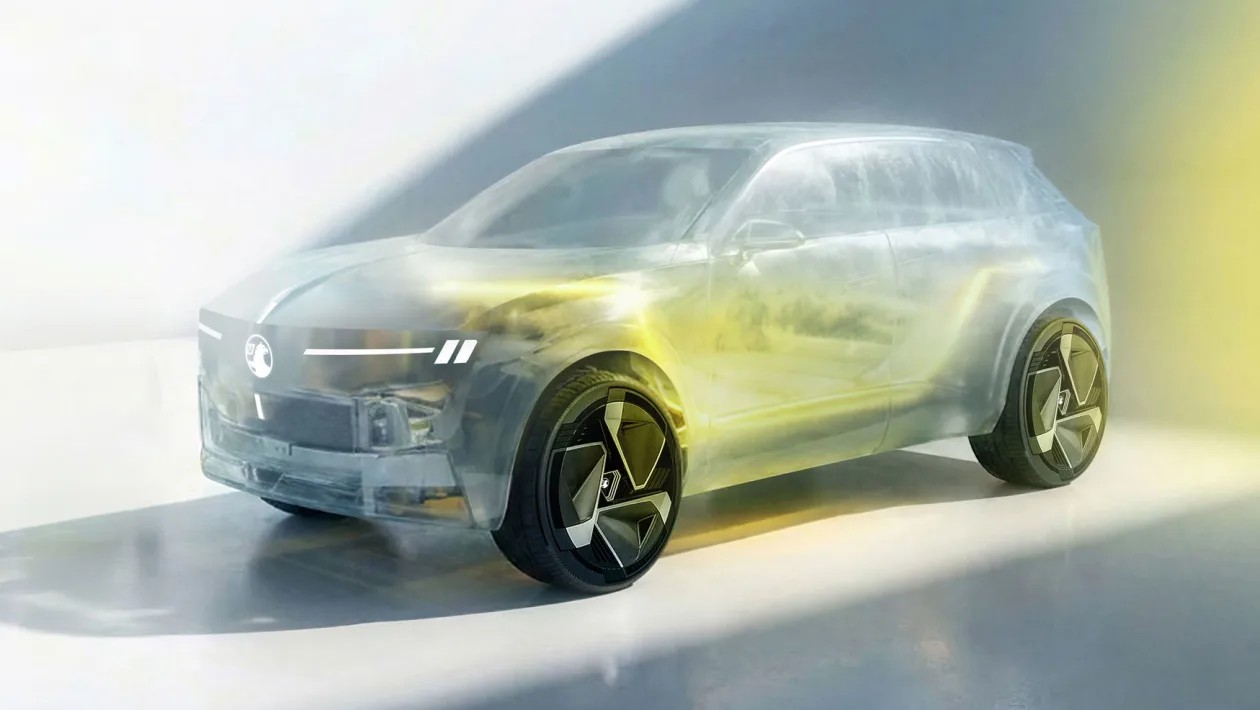
Vauxhall is preparing to launch a new all-electric SUV in early 2028, marking a significant shift in how European automakers collaborate with Chinese technology partners. Rather than simply rebadging an existing Chinese model, this vehicle represents a deeper integration of resources: it will combine Leapmotor’s advanced electronic architecture and battery technology with Vauxhall’s traditional European design, engineering standards, and driving dynamics.
This strategic move allows the brand to enter the competitive mid-size SUV market with a product that is both technologically advanced and affordable, aiming to fill a gap in its current lineup between the smaller Frontera and the larger Grandland.
A New Model, Not a Replacement
The upcoming SUV is designed to coexist with Vauxhall’s existing electric offerings, specifically the Mokka, Frontera, and Grandland. It is not intended to replace any current model but rather to expand the brand’s coverage in a highly popular segment of the European market.
Key characteristics of the new vehicle include:
- Positioning: It sits in the “mid C-segment,” with a length of approximately 4.5 meters. This places it physically and competitively between the compact Frontera and the mid-sized Grandland.
- Pricing Strategy: By leveraging Leapmotor’s cost-effective manufacturing and battery supply chain, Vauxhall aims to offer a more affordable electric option. Estimates suggest a starting price around £28,000, potentially lower, making it accessible to a broader range of buyers.
- Market Gap: Currently, Vauxhall lacks a dedicated electric model in this specific size bracket. This new SUV is designed to capture customers who find the Mokka too small but the Grandland too large or expensive.
Balancing Tech and Tradition
A critical aspect of this collaboration is how Vauxhall plans to maintain its brand identity while adopting foreign technology. Florian Huettl, CEO of Vauxhall, emphasized that the vehicle will not be a “simplified” low-cost entry but a properly engineered European car.
Design and Interior
* Exterior: The SUV will feature Vauxhall’s signature design language, including the cross-hair motif on the front and rear and the distinctive Vizor grille. This ensures immediate brand recognition and visual consistency with other models in the range.
* Interior: While the vehicle will utilize Leapmotor’s advanced digital architecture and screen technology, Vauxhall is insisting on retaining physical buttons and controls. This decision responds to European consumer preferences, where many drivers still prefer tactile feedback over fully touchscreen interfaces for critical functions.
Technology and Performance
* Battery: The SUV will use LFP (Lithium Iron Phosphate) battery technology. LFP batteries are generally cheaper and safer than nickel-based alternatives, though they typically offer lower energy density. Consequently, this model will not match the 400-mile range of the larger Grandland, but it will provide sufficient range for typical urban and suburban use.
* Manufacturing: Despite the Chinese technological partnership, the vehicle will be built in Europe. This is a crucial distinction for European buyers concerned about supply chain resilience, labor standards, and regulatory compliance.
Competitive Landscape
The new Vauxhall SUV will enter a crowded market, facing direct competition from several established players:
- Ford Explorer: Also a collaboration model (built with Volkswagen), though note that the Ford Explorer is typically a larger vehicle; the comparison here likely refers to the Ford Puma or a similar compact SUV, or potentially the upcoming Ford electric models in this segment. Correction based on context: The text mentions rivaling the Ford Explorer, which is unusual for a 4.5m car, but more likely refers to the Ford Puma Electric or potentially the Skoda Elroq and Kia EV5 as direct size competitors. The text explicitly lists the Skoda Elroq and Kia EV5 as rivals.
- Skoda Elroq & Kia EV5: These are direct competitors in terms of size, electric powertrain, and target demographic.
- VW ID. Tiguan: The new Vauxhall will be smaller than the upcoming Volkswagen ID. Tiguan, positioning itself as a more compact and affordable alternative.
Why This Matters
This launch highlights a broader trend in the automotive industry: European legacy brands are increasingly relying on Chinese technology partners to accelerate their electrification efforts without sacrificing brand identity.
- Cost Efficiency: By sharing platforms and battery tech with Leapmotor, Vauxhall can reduce development costs and time-to-market.
- Affordability: The goal is to make electric vehicles more accessible to mainstream consumers who are price-sensitive.
- Strategic Autonomy: Building the car in Europe ensures that production remains under European control, mitigating geopolitical risks associated with importing finished vehicles from China.
Conclusion
Vauxhall’s new electric SUV represents a pragmatic approach to the transition to electric mobility. By blending Leapmotor’s technological prowess with Vauxhall’s European engineering heritage, the brand aims to offer a competitive, affordable, and distinctly European driving experience. While details on the final name remain under wraps—with speculation ranging from nostalgic nods like “Nova” or “Cavalier” to more modern titles—the vehicle’s core promise is clear: advanced electric technology at an accessible price point, built for European roads.