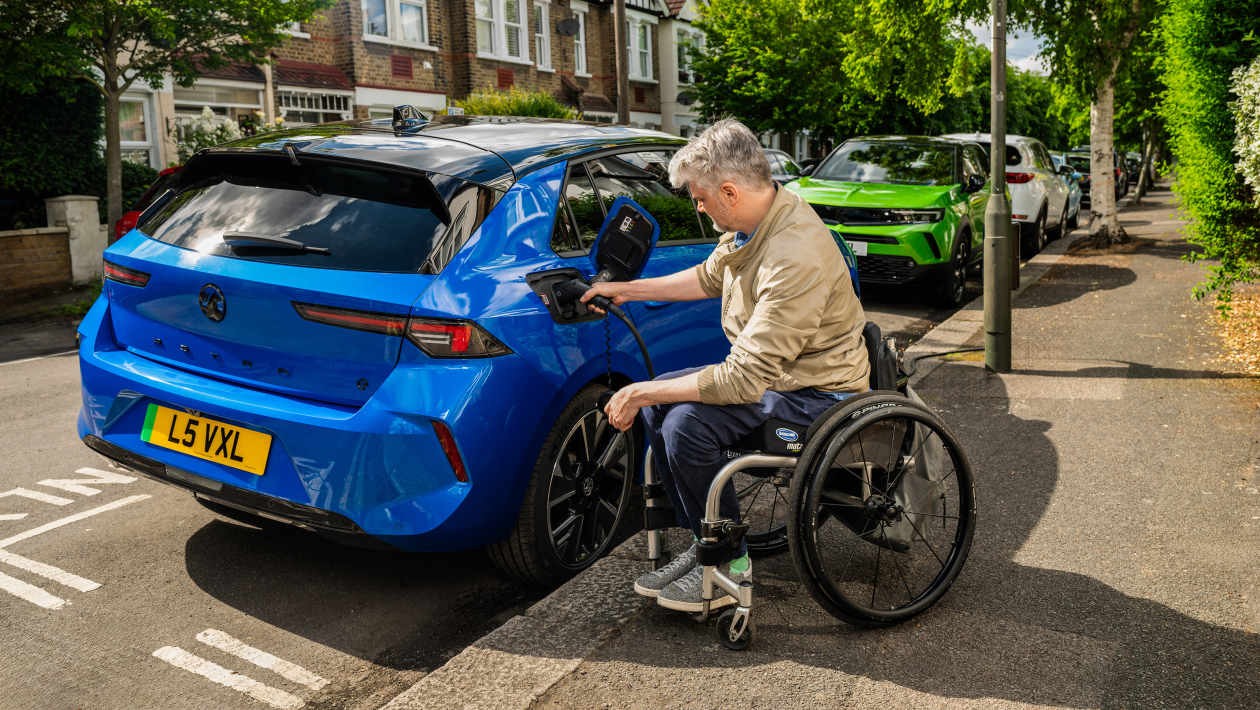
Motability, the UK’s leading scheme providing accessible transportation for disabled individuals, will now require all drivers under 30 to have black box trackers installed in their vehicles. The change, rolling out April 13th, is part of a broader overhaul of the Motability Scheme set for July 1st, which will also include increased costs for customers.
How the System Works: ‘Drive Smart’ Ratings
The new system, dubbed ‘Drive Smart’, uses an app to monitor driving behavior, assigning weekly ratings of green, amber, or red. Safe drivers – those consistently rated ‘green’ – may receive up to £160 annually in rewards. However, four ‘red’ ratings within a year could result in removal from the Motability Scheme.
The app analyzes several factors: speed, braking patterns, smoothness of driving, mileage, location data, and even smartphone usage while behind the wheel. This level of tracking mirrors that of “black box” car insurance policies, often used by young drivers to lower premiums, but now mandated for a specific group within the Motability program.
Context: Budget Cuts and Scheme Changes
This move comes after last year’s Budget removed a tax break on Motability insurance. The scheme now faces a £300 million annual cost increase due to a 12% premium levy. To offset this, Motability is tightening restrictions, including removing luxury vehicle options from brands like Alfa Romeo, BMW, and Mercedes-Benz – a move criticized by some as prioritizing cost-cutting over user needs.
Compatibility Concerns and Wider Implications
The ‘Drive Smart’ app isn’t compatible with all smartphones, excluding devices from brands such as Xiaomi, Oppo, Huawei, and Honor that don’t fully support Google Play services. This raises questions about accessibility for users who rely on these devices.
The core purpose of this system is to encourage safer driving, but the implementation raises concerns about data privacy, device limitations, and the potential for unfair removal from a vital support scheme.
The decision highlights a broader trend of increased data collection and behavioral monitoring within social programs, driven by financial pressures and government oversight. While Motability frames this as promoting safer driving, it’s clear that economic realities are a major factor driving this change. The move will likely be met with scrutiny from disability advocates and privacy groups alike.