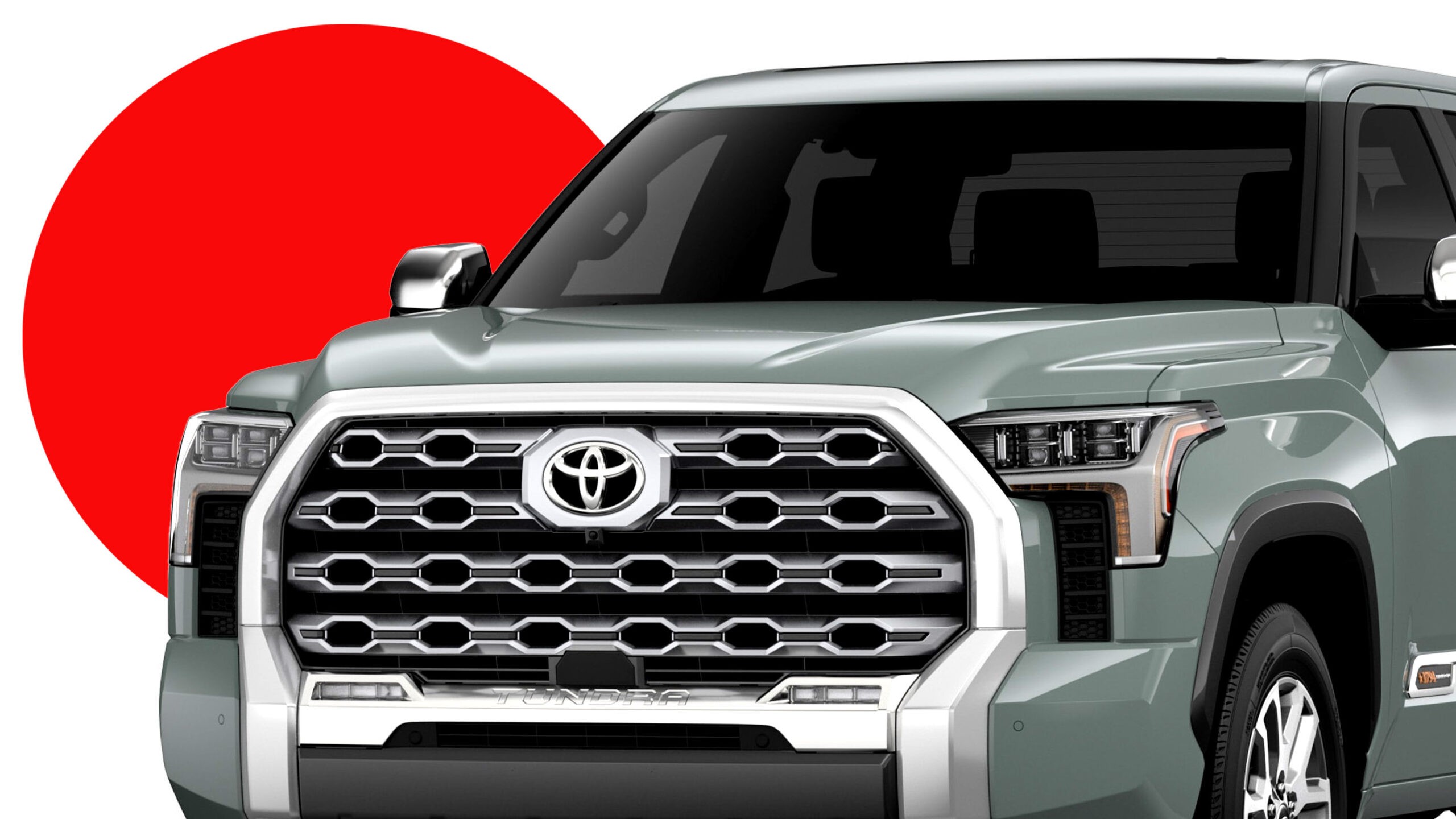
Toyota has begun selling American-made vehicles in Japan, starting with the Tundra pickup and Highlander SUV. This seemingly unusual move is driven less by consumer demand and more by political considerations, specifically appeasing past trade pressure from the U.S. administration. The company expects minimal sales volumes—roughly 80 Tundras and 40 Highlanders per month—underscoring that this is not a serious attempt to capture a significant share of the Japanese market.
Why Japan Would Buy a Full-Size American Pickup
Japan is known for its compact, fuel-efficient “Kei” cars, making the decision to import full-size American trucks and SUVs a striking contrast. Toyota avoids re-engineering these vehicles for right-hand drive, a cost-saving measure that further confirms this is not a long-term market strategy. The Tundra, in its 1794 Edition, will be the only pickup version offered, boasting a 3.4-liter twin-turbo V6 engine producing 389 horsepower and 479 lb-ft of torque.
This move highlights how geopolitical pressure can influence corporate decisions, even in the automotive industry. Japan’s domestic market prioritizes practicality and efficiency, making the bulky Tundra a niche product at best.
Highlander Hybrid: Another Symbolic Offering
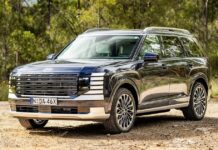
Alongside the Tundra, Toyota will sell the Highlander exclusively with a 2.5-liter hybrid powertrain. The single trim level, Limited ZR Hybrid, includes premium features like a panoramic sunroof, JBL audio, and a head-up display. The Highlander was previously sold in Japan between 2000 and 2007 under the name “Kluger,” but its return is equally driven by external factors rather than consumer preference.
The Highlander’s presence underscores that Toyota is willing to accommodate political demands, even if it means offering a product that doesn’t naturally fit the Japanese market. Sales expectations are similarly low, reinforcing the symbolic nature of this move.
Pricing and Market Context
Pricing in Japan is closely aligned with U.S. prices, with the Tundra 1794 Edition starting at approximately $75,200 and the Highlander Limited ZR Hybrid at $53,800. These figures suggest Toyota isn’t trying to undercut domestic competitors but rather maintaining a consistent global pricing strategy.
Ultimately, this import initiative is a calculated gesture to maintain favorable trade relations rather than a genuine attempt to expand market share. The minimal sales projections confirm that this is a political concession, not a business decision.