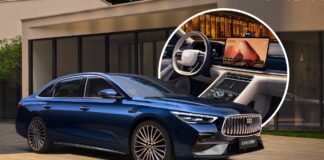
Mercedes-Benz has provided a first look at the interior of its upcoming electric C-Class, officially designated as the “C-Class with EQ Technology.” This reveal offers a glimpse into the brand’s strategic pivot toward more cohesive, tech-driven electric vehicles as it prepares to compete directly with rivals like the BMW i3.
A Digital-First Cabin Experience
The most striking feature of the new interior is a massive 39.1-inch display that stretches across nearly the entire dashboard. This shift toward “screen-heavy” architecture reflects a broader industry trend where software and digital interfaces become the primary touchpoints for luxury consumers.
Despite the heavy emphasis on digital displays, Mercedes-Benz has retained several traditional luxury hallmarks to maintain its premium identity:
– Classic Accents: Silver-rimmed round air vents and door-mounted electric seat adjustment switches.
– Tactile Controls: The inclusion of physical buttons for specific functions, such as surround-view camera controls and “quiet” air-conditioning modes.
– Ergonomic Innovation: New seat designs engineered to adapt to the occupant’s spine, specifically aimed at reducing fatigue during long-distance travel.
Performance and the 800V Platform
The C-Class EV is built on the 800V MB.EA platform, the same architecture used for the GLC EQ electric SUV. This high-voltage architecture is a significant technological advantage, as it allows for faster charging speeds and more efficient power management.
While specific powertrain details remain under wraps, the platform’s capabilities suggest a major leap in range. Based on the shared architecture, the C-Class EV could potentially achieve a range of over 800km per charge, which would surpass the current industry benchmarks, such as the Tesla Model 3 Long Range (750km WLTP).
Strategic Design Shift
This new model marks a turning point in Mercedes-Benz’s design philosophy. Following the departure of long-time design chief Gorden Wagener, the brand has acknowledged that its previous electric models—such as the EQE and EQS—were “too polarizing” due to their distinct teardrop shapes.
Under new design leadership, the C-Class EV appears to be moving toward a more conventional, sophisticated aesthetic that blends modern electric requirements with the brand’s established luxury DNA.
Market Context and Challenges
The rollout of the C-Class EV comes at a critical time for Mercedes-Benz. While the company saw massive global sales in 2025, its EV segment experienced an 8.8% year-on-year decline.
In the competitive Australian market, Mercedes-Benz faces stiff competition:
– Local Ranking: Mercedes-Benz currently ranks seventh among EV brands in Australia.
– Competitor Dominance: Tesla, BYD, and Kia lead the market, while BMW holds a stronger position in the premium EV segment (ranking fifth).
– Sales Comparison: Although the EQE SUV is Mercedes’ top-selling local EV, it is significantly outsold by BMW’s electric offerings like the iX1 and iX2.
The success of the C-Class EV will likely depend on whether its superior range and high-tech interior can convert traditional luxury buyers into electric vehicle adopters.
Conclusion
The upcoming C-Class EV represents a vital attempt by Mercedes-Benz to refine its electric identity, moving away from controversial designs toward a high-range, tech-centric cabin. Its ability to reclaim market share will depend on how effectively it delivers on its promise of long-distance capability and premium comfort.