A significant shift is occurring in the Australian automotive market. As record-high petrol and diesel prices squeeze consumer budgets, motorists are rapidly pivoting away from traditional internal combustion engines toward electric and hybrid alternatives.
The Hyundai Surge
Hyundai Australia has reported a dramatic 355% increase in electric vehicle (EV) orders during March 2026. The jump from 228 orders in February to 1,037 in March highlights a rapid change in consumer behavior.
This surge has fundamentally altered Hyundai’s sales composition:
– EV Market Share: Electric models now account for 20% of all Hyundai orders, a massive leap from the sub-3% share seen prior to March.
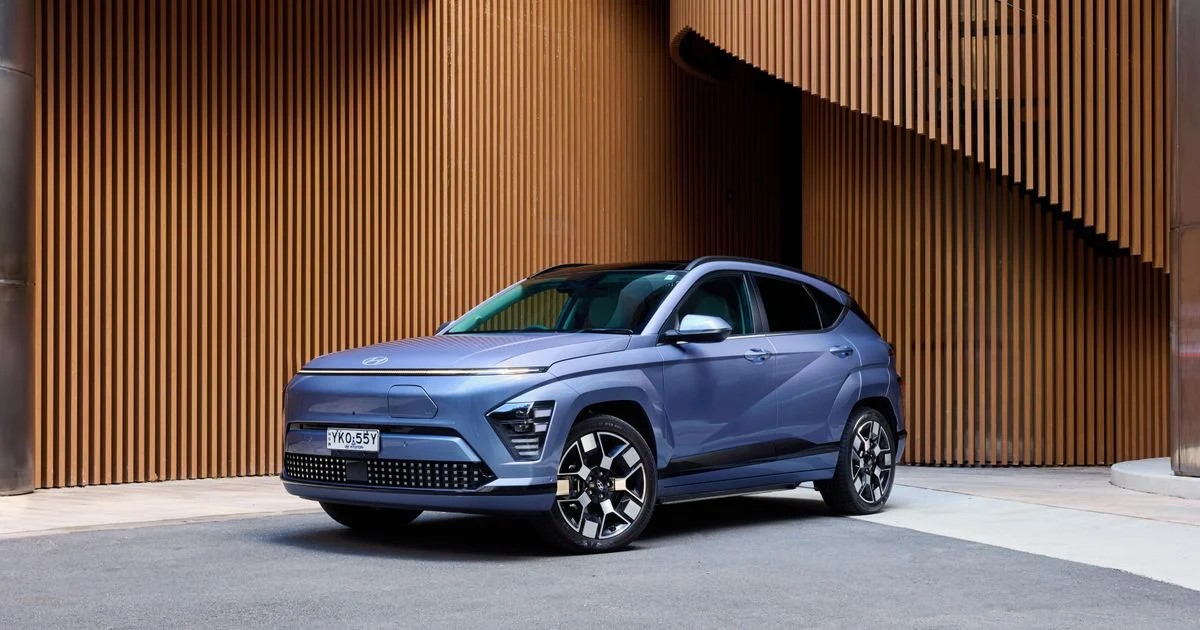
– Model Performance: The Kona Electric remains the brand’s volume driver, contributing 236 sales in March alone.
– New Entrants: The introduction of the Elexio SUV and the arrival of the Inster are also playing key roles in capturing new segments of the market.
Scaling Up to Meet Demand
To prevent long waiting lists, Hyundai is aggressively scaling its supply chain. The company has secured a 158% increase in EV supply for the second quarter of the year.
The projected inventory boost includes:
– Kona Electric: 1,265 units (+315% vs Q1)
– Elexio: 1,180 units (+57% vs Q1)
– Inster: 255 units (+204% vs Q1)
– Ioniq 5: 150 units (+56% vs Q1)
A Changing Competitive Landscape
The rise of EVs is not limited to Hyundai; it is a broader industry trend. The entire Australian EV market saw deliveries climb 88.9% year-over-year in March, capturing a record 14.6% of the total market share.
This shift is creating intense competition among major players:
– BYD’s Rise: The Chinese manufacturer has seen rapid growth, recently leapfrogging Hyundai to claim third place in monthly sales, fueled by a massive 30,000-unit shipment order.
– The Hybrid Middle Ground: For many consumers, hybrids represent a “safety net” against fluctuating fuel costs. Hyundai reported that 57% of its March orders were hybrids, marking its highest share to date.
– Incumbent Response: Traditional leaders like Ford are attempting to mitigate the impact of high fuel costs through aggressive incentives, such as fuel card offers and price cuts on plug-in hybrid models.
Why This Matters
The data from March 2026 marks a historic milestone: for the first time in Australia, sales of hybrid, plug-in hybrid, and electric vehicles have overtaken petrol-only vehicles.
This trend suggests that the “tipping point” for EV adoption is being accelerated by economic necessity. As the cost of running a traditional petrol vehicle becomes increasingly volatile, the predictability of electric and hybrid powertrains is moving from a niche preference to a mainstream requirement.
The rapid pivot toward electrification is no longer just an environmental choice; it has become a strategic financial response to record-high fuel costs.
Conclusion
Driven by soaring petrol prices, Australian drivers are rapidly abandoning traditional petrol engines in favor of EVs and hybrids. This shift is forcing manufacturers to overhaul their supply chains and is fundamentally restructuring the hierarchy of the nation’s automotive market.