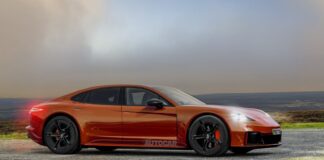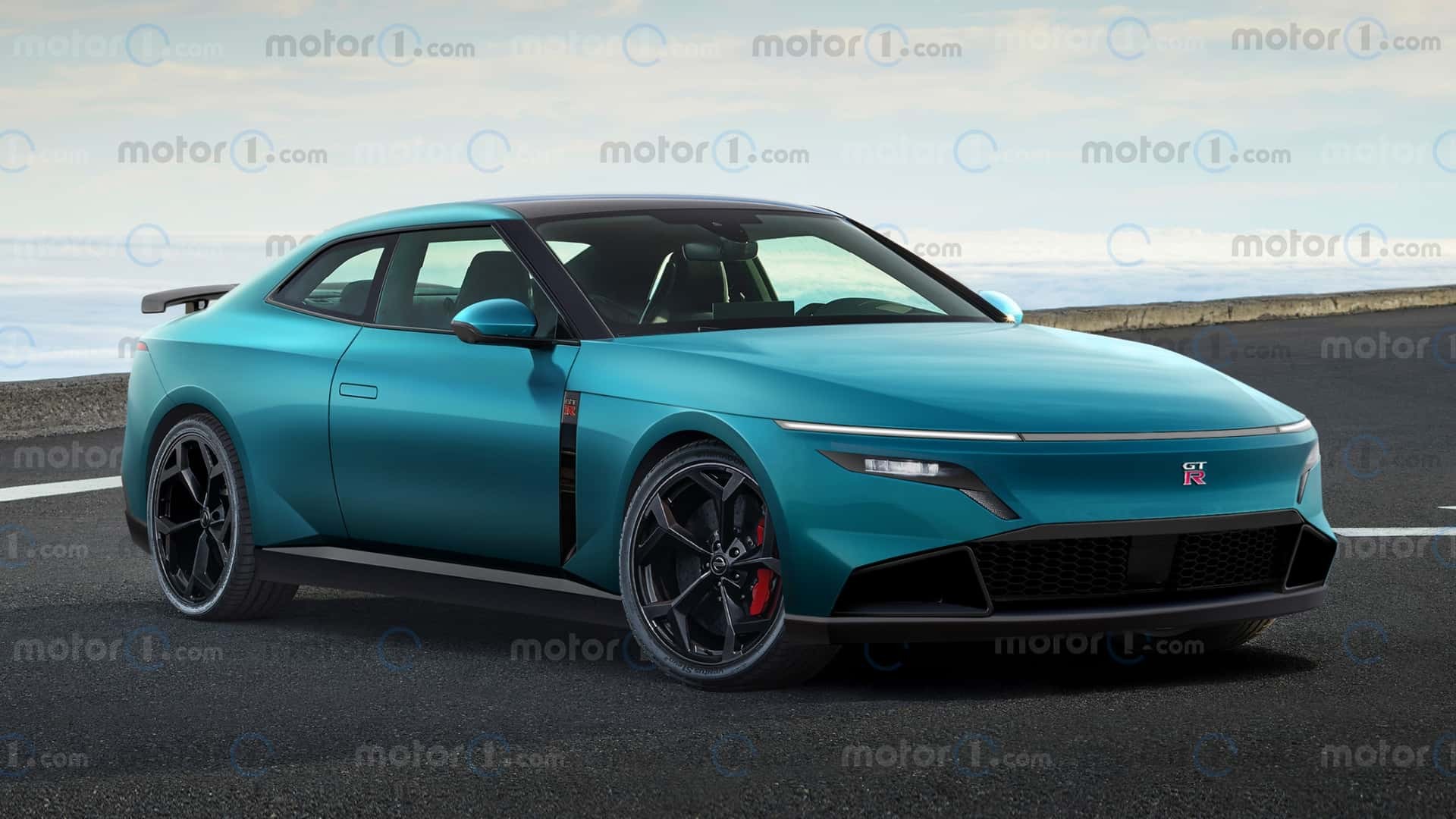
The era of the R35 GT-R is drawing to a close. After a remarkable 18-year run, Nissan has begun winding down production of the model that redefined the supercar landscape. However, the “Godzilla” legacy is far from over. Nissan has officially confirmed that the successor, the R36 GT-R, is currently in the early stages of development.
While a full reveal is still several years away, the automotive industry is already bracing for the impact of Nissan’s next flagship.
The Shift Toward Electrification
The most significant change facing the R36 is the industry-wide transition toward sustainable power. To meet tightening global emissions regulations and stay competitive in a rapidly evolving market, Nissan has indicated that the next GT-R will feature some form of electrification.
This doesn’t necessarily mean a move to a fully electric vehicle, which might alienate purists. Instead, the trend suggests a hybrid approach :
– Enhanced Powertrain: The R36 is expected to utilize an evolved version of the twin-turbocharged 3.8-liter V6.
– Electric Assistance: By integrating electric motors, Nissan could significantly boost performance. While the 2024 R35 produced 565 hp, an electrified setup could push output toward 700 hp or even 800 hp for high-performance Nismo variants.
– Performance Gains: With increased torque from electric motors, we could see 0–60 mph times dropping into the mid-2.0-second range.
Design and Architecture
While technical specifications are evolving, the GT-R’s identity is rooted in its iconic silhouette.
Visual Identity
Expect the R36 to modernize Nissan’s design language while respecting its heritage. Key design elements likely to persist include:
– The signature quad rounded taillights.
– Aggressive, aerodynamic bodywork.
– A driver-centric cockpit, likely featuring advanced digital displays, though enthusiasts are hoping for a retention of tactile, physical controls.
A New Foundation
Nissan has confirmed that the R36 will ride on a new chassis. This is a critical move; the previous R35 relied on the Premium Midship platform, an evolution of older architectures. A dedicated new platform would allow engineers to better manage the increased weight and complex torque distribution inherent in a hybrid powertrain, ensuring the car maintains its legendary handling.
Timeline and Market Positioning
The road to the R36 is a marathon, not a sprint. Nissan executives have hinted at a reveal before the end of the decade, though meaningful news may not surface until roughly 2028.
As for the cost, the R36 will likely occupy a premium tier in the market. Given the rising costs of high-performance technology and inflation, we can anticipate:
– Base Models: Starting in the mid-$150,000 range.
– Nismo Variants: Potentially exceeding $200,000.
Why This Matters
The GT-R has always been a “giant killer,” a car that provided supercar-level performance at a fraction of the price of a Ferrari or Lamborghini. As the R36 moves into development, Nissan faces a delicate balancing act: they must integrate modern electric technology to survive regulatory requirements without losing the raw, mechanical soul that made “Godzilla” a global icon.
The success of the R36 will depend on whether Nissan can marry high-voltage efficiency with the visceral driving experience that defined the R35 era.
In short, the next GT-R aims to bridge the gap between traditional internal combustion performance and the electrified future of supercars.