Nissan готується повернутися на висококонкурентний ринок позашляховиків з поверненням легендарної Xterra. Після десятирічної перерви бренд сигналізує про стратегічне зрушення, фокусуючись на двох ключових аспектах: ціні нижче 40 000 доларів та «прагматичному» підході до дизайну автомобіля.
Стратегічна гра на ринку цін
В епоху, коли вартість автомобілів неухильно зростає, Nissan позиціонує Xterra як бюджетну альтернативу своїм найгрізнішим конкурентам. Крістіан Менье, генеральний директор Nissan Americas, нещодавно відзначив проблему в автопромі, що зростає: нестійке зростання середніх цін на угоди.
Оскільки середня вартість автомобіля в США зараз становить близько 48 000 доларів, Nissan має намір обійти ринок, утримуючи стартову ціну Xterra нижче 40 000 доларів. Цей крок виводить Xterra у пряму конкуренцію із визнаними лідерами:
- Jeep Wrangler: ціна варіюється від ~36 035 $ (3-дверний) до 39 040 $ (5-дверний).
- Ford Bronco: ціна починається від 40 495 $.
Toyota 4Runner: ціна починається від 41 870 $.
Націлюючись на сегмент “до 40 тисяч”, Nissan прагне залучити покупців, які все частіше з побоюванням ставляться до величезних переплат за можливість їздити бездоріжжям.
«Все, що потрібно, і нічого зайвого»
Окрім ціни, Nissan проводить перегляд своєї філософії. Менье визнав, що останнім часом бренд схилявся до «надмірності функцій» — додавання складних технологій та дорогих зручностей, які часто мало дають водію насправді.
Нова Xterra має стати флагманом оновленої, дисциплінованішої стратегії Nissan. Бренд відроджує класичний слоган моделі 2002 року: * “Все, що потрібно, і нічого зайвого” *. Це передбачає автомобіль, очищений від непотрібних цифрових факторів, що відволікають, з упором на довговічність і базові позашляхові можливості.
Технічні деталі та виробництво
Хоча конкретні технічні характеристики допрацьовуються, вже відомі деякі ключові деталі конструкції Xterra:
- Платформа: Буде використовуватися надійна архітектура «рама + кузов» (body-on-frame), необхідна для серйозного бездоріжжя.
- Силові агрегати: Очікується вибір між традиційними двигунами V6 та новими гібридними установками, що задовольнить як пуристів, так і тих, хто шукає економію палива.
- Виробництво: Очікується, що автомобіль буде вироблятися в США, найімовірніше, на заводі Nissan у Міссісіпі, де зараз випускається пікап Frontier.
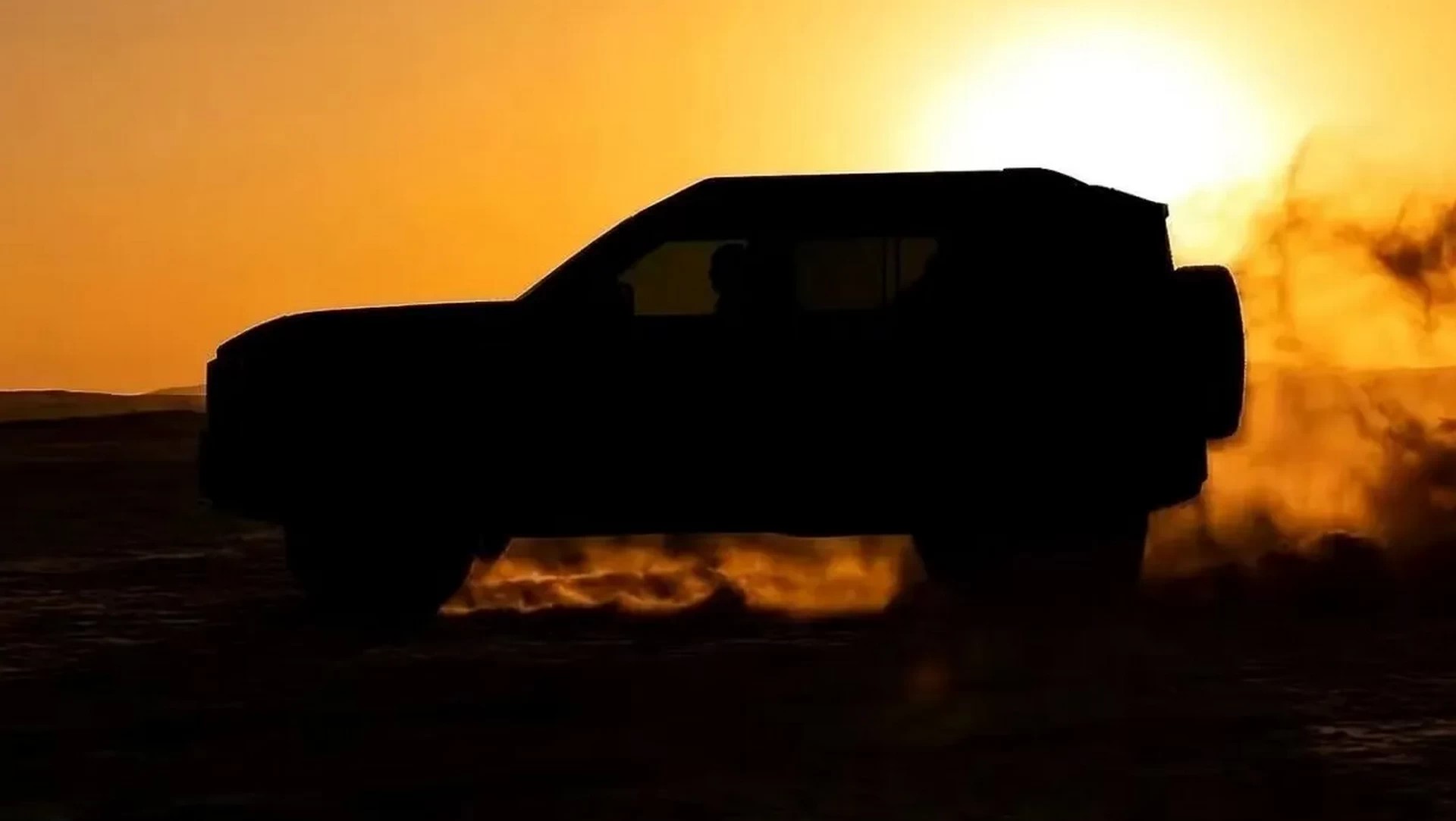
Перші тизерні зображення демонструють високий, вертикальний силует із запасним колесом на задніх дверях, що перегукується з класичною естетикою Bronco та Wrangler.
Чому це важливо
Повернення Xterra – це не просто запуск нової моделі, це коригувальна дія для Nissan. Відмовляючись від надмірної розкоші та повертаючись до функціональної, доступної потужності, Nissan намагається відновити той «емоційний» зв’язок з ентузіастами, якого не вистачало його останнім лінійкам.
Успіх Xterra залежатиме від того, чи зможе Nissan запропонувати реальні позашляхові можливості без надхмарного цінника, який зараз визначає більшу частину ринку позашляховиків.
** Коротше кажучи, Nissan робить ставку на те, що все ще існує величезний, недообслужений ринок суворих, простих і, що найважливіше, доступних позашляховиків.