The traditional local garage is facing a period of profound uncertainty. Caught between rising operational costs, a massive shift toward electric vehicles (EVs), and a shrinking workforce, small independent workshops are struggling to maintain their footing. Meanwhile, a new model of “on-demand” mobile repair is emerging to meet the modern consumer’s demand for convenience.
A Perfect Storm of Challenges
While there are over 36 million vehicles on UK roads—many of them aging and in need of constant maintenance—the business of fixing them is becoming increasingly difficult. Small garages are currently navigating a “convergence of challenges” that threaten their long-term viability:
- Skyrocketing Overheads: Nine in ten garages report rising costs driven by increases in the National Living Wage, higher business rates, and soaring energy bills.
- The EV Transition: Moving from internal combustion engines to electric vehicles isn’t just a change in technology; it is a massive financial hurdle. Garages must invest heavily in specialized equipment and high-level technician training. Currently, only one in four UK technicians is certified to work on EVs.
- The Skills Gap: The industry is facing a looming labor crisis. With nearly half of the current workforce aged over 45, an estimated 144,000 technicians are expected to retire by 2032. This leaves a massive void that is not being filled quickly enough by new recruits.
The Rise of the Mobile Mechanic
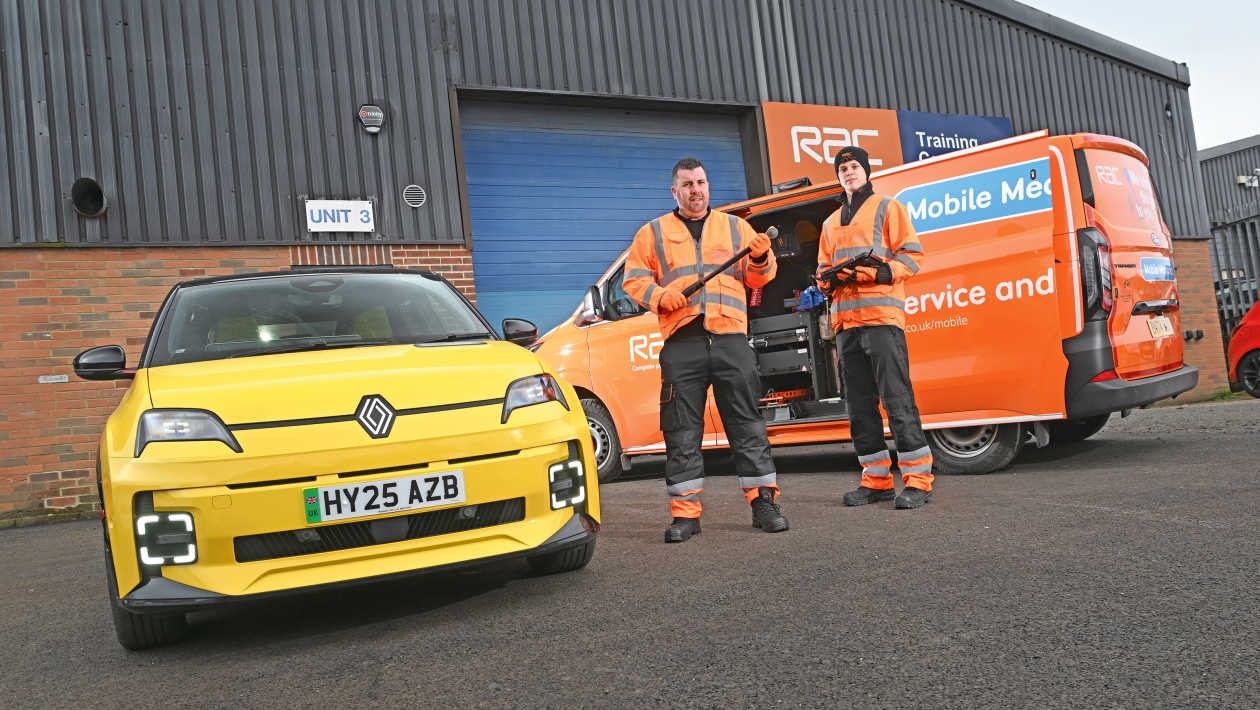
As traditional workshops struggle with high rents and overheads, companies like the RAC are pivoting toward a mobile-first model. By bringing the garage to the customer’s driveway, they are tapping into a post-pandemic consumer mindset that prioritizes convenience and transparency.
The mobile model offers several distinct advantages:
1. Lower Overheads: Without the need for a physical building, mobile mechanics avoid high rent and utility costs, allowing them to price services competitively between independent garages and main dealers.
2. Customer Convenience: There are no “hidden costs” for the driver, such as booking time off work or paying for taxis to get home after dropping off a vehicle.
3. New Talent Pipelines: The RAC has found success by recruiting apprentices who may lack motor trade experience but possess the customer service skills necessary for a mobile role.
Consumer Sentiment: Convenience vs. Capability
A recent Auto Express poll highlights a significant shift in driver psychology. While many motorists still prefer traditional facilities, there is a clear appetite for change:
* 25% of drivers would be willing to pay more for the convenience of home-based MOTs and repairs.
* 6% of drivers admit they dislike visiting traditional garages altogether.
* Confidence is low: Only about one-third of motorists feel highly confident when dealing with garages, suggesting a lack of trust in the traditional independent sector.
However, the mobile model has its limits. As Jon Douglass of the Independent Garage Association points out, you cannot fit an entire workshop into a van. Complex repairs and vehicles without off-road parking will always require a physical garage.
The Outlook: Adapt or Fade Away
The automotive landscape is splitting into two directions. On one side, large main dealers and national chains are using service plans and subscriptions to lock in customers. On the other, mobile services are capturing the “on-demand” market.
For the small, independent garage, survival will depend on finding a niche. While they may not be able to compete with the scale of mobile fleets or the high-tech capabilities of main dealers, their ability to provide specialized, local service remains vital. However, as EV technology becomes more sophisticated and expensive to service, the barrier to entry will continue to rise, potentially pricing the smallest players out of the market entirely.
Conclusion: The automotive repair industry is undergoing a structural shift driven by technology and consumer habits. While traditional garages remain essential for heavy repairs, the rise of mobile mechanics and the high cost of EV transition suggest that the era of the “neighborhood garage” is being fundamentally redefined.