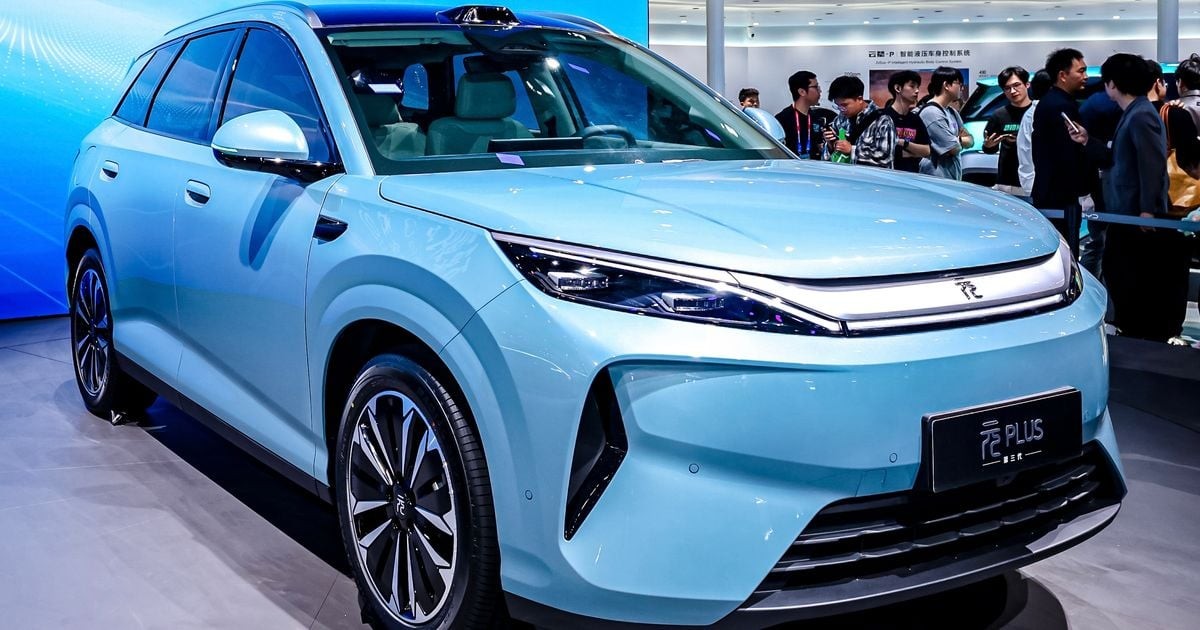
BYD is preparing a significant shake-up for its electric vehicle (EV) lineup in the Oceania region. The company has confirmed that the Atto 3, the model that helped establish BYD’s presence in the market, will soon be replaced by a larger, more powerful successor: the Atto 5.
While New Zealand has already confirmed this transition, Australian consumers are waiting to see if their local lineup will follow suit.
The Evolution from Atto 3 to Atto 5
The transition is more than just a name change; it represents a major leap in vehicle dimensions and technology. The new model, known in China as the second-generation Yuan Plus, is significantly larger than its predecessor.
The decision to rebrand the vehicle as the “Atto 5” in New Zealand reflects its growth in scale:
– Length: 4665mm (210mm longer than the Atto 3)
– Width: 1895mm (20mm wider)
– Height: 1675mm (60mm taller)
– Wheelbase: 2770mm (50mm longer)
This increased footprint suggests BYD is moving upmarket, targeting families who require more interior space and cargo capacity.
Technical Upgrades: Power and Efficiency
The Atto 5 introduces several critical engineering shifts that move the vehicle beyond its original design:
- 800V Architecture: The move to an 800V electrical system allows for faster charging capabilities and more efficient power management.
- Rear-Wheel Drive (RWD) Shift: Moving away from the front-wheel-drive layout of the original Atto 3, the new architecture enables a RWD configuration, which often improves handling and driving dynamics.
- Increased Performance: The new single-motor powertrains will offer 200kW or 240kW of power, a substantial jump from the current Atto 3’s 150kW output.
- Enhanced Range: Utilizing BYD’s second-generation ‘Blade’ battery technology, the Atto 5 is expected to offer ranges between 540km and 630km (based on the CLTC cycle).
A Complex Transition for Australia
The rollout in Australia appears more complicated due to a “mid-life” update currently in limbo. A facelifted version of the original model, dubbed the Atto 3 Evo, has already been approved for sale in Australia. This “Evo” model brings many of the technical improvements of the Atto 5—including the 800V architecture and higher power outputs—but retains the older body style.
This creates a strategic dilemma for BYD Australia: Should they release the improved Atto 3 Evo, or skip straight to the entirely new Atto 5?
The delay in Australian availability, compared to European markets, suggests BYD may be strategically timing the launch of the Atto 5 to maximize the impact of its new, larger platform.
Market Context: Why the Change Matters
The push for a larger, more powerful SUV comes at a time when consumer preferences are shifting. In the previous year, sales of the original Atto 3 in Australia dropped by nearly 33%. During that same period, BYD’s larger models—the plug-in hybrid Sealion 6 and the all-electric Sealion 7 —significantly outperformed the Atto 3.
This trend indicates that buyers in the mid-size SUV segment are increasingly gravitating toward larger vehicles with more presence and higher performance specifications. By transitioning to the Atto 5, BYD is directly responding to this market demand for more substantial electric SUVs.
Conclusion: BYD is pivoting from a small/medium SUV strategy to a larger, higher-performance segment. The arrival of the Atto 5 marks a critical evolution in the brand’s ability to compete with established players in the growing electric SUV market.