Why build two cars when one does the job?
You just slap a different badge on the grill and raise the price.
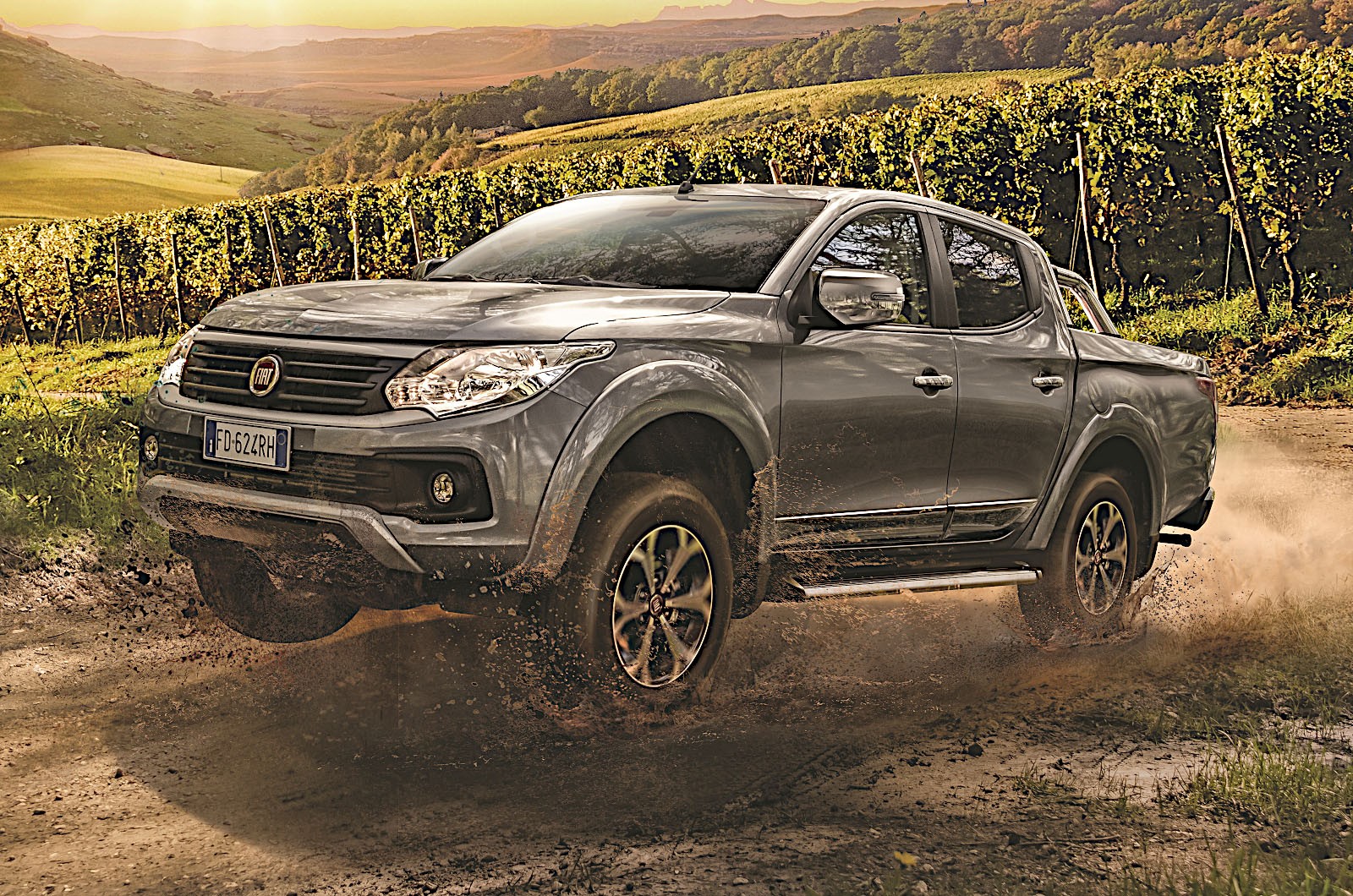
It’s called badge engineering. A brutally efficient business model that has kept automakers afloat for decades. Usually it involves one manufacturer owning several brands, shuffling metal around to fill every price point. Sometimes it’s a partnership, like the Fiat Fullback. It’s really a Mitsubishi Triton, built in Thailand. Same bones. Different logo.
We looked at hundreds of these twins, triplets, quadruplets. We picked forty-one to list here, alphabetical order. Some changed their trim levels. Others tweaked the headlights. We don’t go deeper than that.
The GM Experiments
General Motors loved brands. Too many brands, if you ask historians. But it worked, sort of.
Acadian and Beaumont are two Canadian ghosts from the past.
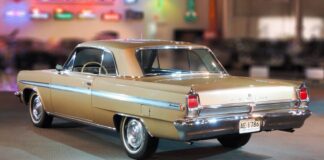
From 1962 to Chevy, they sold slightly tweaked Chevrolets through Pontiac-Buick dealers in Canada. The first Beaumont was just a Chevy II with new stickers. The second, the one pictured above, was a Chevelle wearing different shoes. For a while, Beaumont was its own brand. GM loved that game. Then they dropped the Chevelle connection. The Chevy II model became Acadian. Confusing? Yes. Profitable? Apparently.
Then there is Alpheon.
A brand for one car. In Korea. 2010 to 2015. The car was a locally built Buick LaCrosse. Technically a second-generation model, closely related to the European Opel Insignia. Buick didn’t exist there. Chevrolet was inappropriate for this luxury trim. Daewoo was dead. So they made Alpheon.
Just to sell that specific car.
Five years later, GM Korea stopped building it. They started importing the tenth-generation Chevrolet Impala instead. Alpheon vanished. Never heard of it again.
The Luxury Blunder
Imagine telling Aston Martin executives in 1999 to sell a Japanese city car under their badge.
They’d laugh at you. Or throw you out.
In 2011, they didn’t laugh.
They launched the Aston Martin Cygnet. It was a Toyota iQ. Fancy paint, better interior materials, and a price tag that would make a Toyota engineer cry. It cost four times as much. Sold terribly. Only three hundred units exist today.
Rarity is everything in the secondary market. These tiny Astons hold their value. You’ll spot one in Kensington or Mayfair. Surprisingly common, really, for a car that should not exist.
The Canadian Confusion
Back to GM’s North American shuffle.
Asüna. A Canadian brand from the early 90s. Lasted only two years.
GM didn’t build these cars. They just imported them. From Japan and Korea. The Sunrunner, the Sunfire, and a sedan called the SE or the GT.
The Sunrunner was the real mystery. It wasn’t a GM design. It was the Suzuki Escudo. Also known as the Suzuki Vitara. Also known as the Chevrolet Tracker. Also known as many other names in countries that didn’t care what the badge said. One of the most cloned SUVs in history.
GM just wanted the name Asüna for the Canadian market. Got what they wanted. Then stopped.
The Failed Icon
The Audi 50 is probably the most famous failure here.
Based on the VW Fox in Europe. The VW Golf Mk1 in North America. Badged as Audi.
Sold 51,241 units. In seven years.
It looked like an Audi, but felt like a VW. Audi didn’t care about quality control back then, apparently. They wanted a smaller car for city dwellers. They got one. People just bought VWs instead.
The 50 remains Audi’s sales disappointment of choice, often cited in textbooks about how to kill a product.
Why? Because it was a Fox.
Why We Keep Doing This
It saves money. It saves engineering time. It fills dealerships.
Do we, the buyers, care?
Not really. Unless we are obsessed with the badge. Then we hate it. We pay more for the privilege. The Aston Cygnet proves that some of us really, really love being sold a lie.
The next one might be electric. Tesla shares the platform with the Porsche Taycan now. Same underpinnings. Different brand.
It’s not new. It’s just cleaner.